

Look like you have not added anything to your cart. Go ahead & explore top categories.
Continue Shopping
Look like you have not added anything to your cart. Go ahead & explore top categories.
Continue Shopping
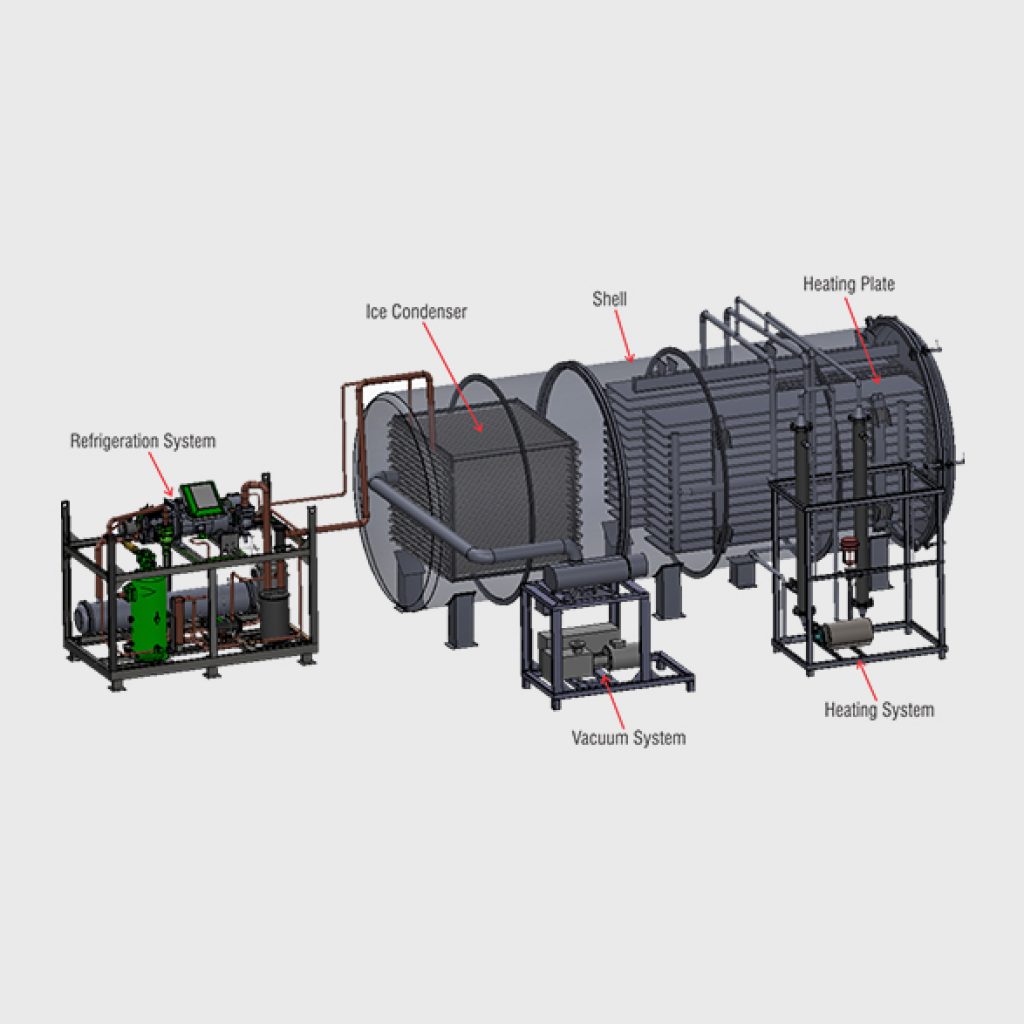
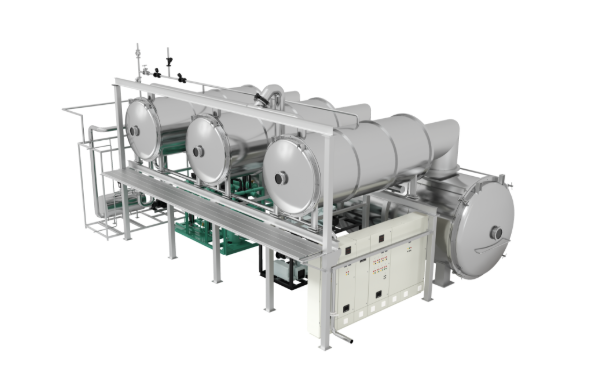
Industrial lyophilization for premium quality and longest shelf life. By drying below the triple point under deep vacuum, IFD models (50–3000 kg/day) deliver exceptional rehydration, taste, and nutrition for high‑value foods, ready‑to‑eat components, dairy, nutraceuticals, and pharmaceuticals.
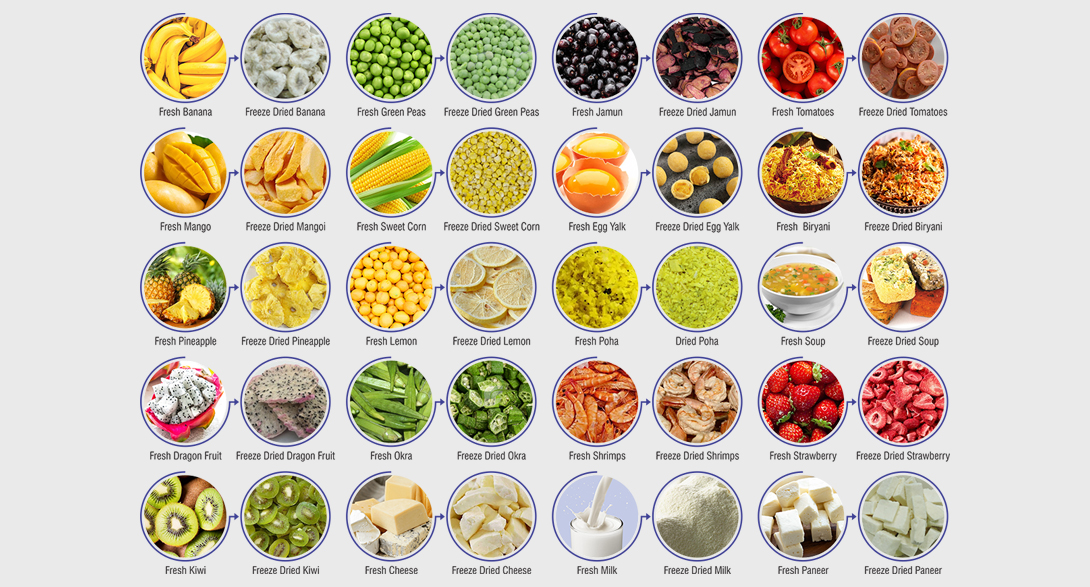
The IFD Series uses low‑temperature, high‑vacuum lyophilization to sublimate ice directly from frozen product. It delivers the longest shelf life with excellent rehydration, color, flavor, and nutrient retention—ideal for premium fruits and vegetables, ready‑to‑eat components, dairy and beverages, nutraceuticals, biologicals, and pharmaceuticals.
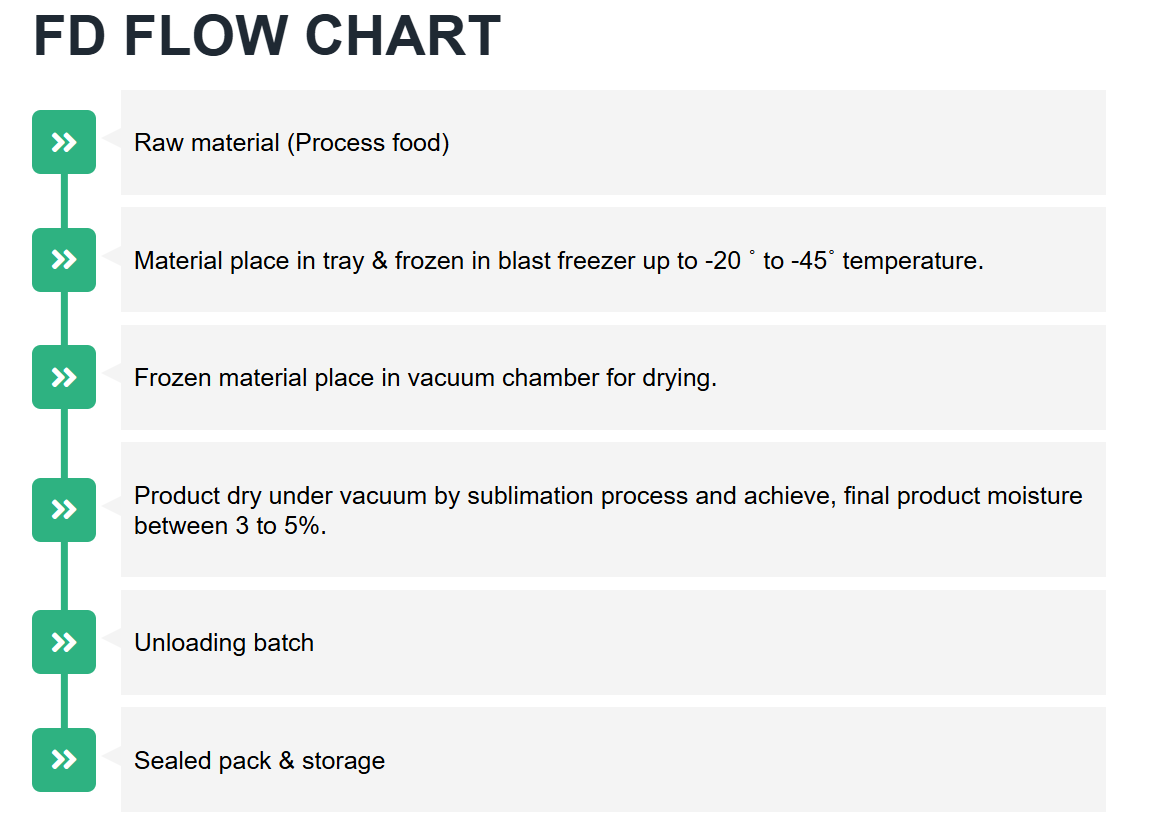
Freeze‑drying operates below the triple point under deep vacuum. After freezing below the product’s eutectic temperature, primary drying removes most water via sublimation; secondary drying elevates temperature slightly to desorb residual moisture to ~3–5%.
Capacity: 3000 kg/day
Phase & voltage: 3 ph, 415 V; 50 Hz
Working pressure: Up to 0.2 mbar
Heating temp.: Max 90°C
Refrigeration temp.: −40 to −50°C
Q: What vacuum level is typical?
A: Systems are specified up to ~0.2 mbar working pressure, with process control to maintain sublimation.
Q: What makes freeze‑drying different from hot‑air drying?
A: Water is removed by sublimation at low temperature, which best preserves structure, color, flavor, and nutrients with excellent rehydration.
Q: How do I choose capacity?
A: Use daily throughput targets and product type to select a model (50–3000 kg/day). Pilot trials help finalize cycle times and economics.