In our rapidly evolving global economy, cold storage has emerged as one of the most critical components of food security, agricultural sustainability, and supply chain efficiency. As the world grapples with increasing food demand, climate change, and the need to reduce food waste, cold storage facilities have become indispensable infrastructure that bridges the gap between production and consumption.
In Nepal, R.M Agrotech Pvt Ltd stands at the forefront of this revolution, serving as the authorized dealer for ICE MAKE REFRIGERATION LIMITED and providing comprehensive cold storage solutions that are transforming how businesses preserve, store, and distribute perishable goods across the nation.
R.M Agrotech: Leading Cold Storage Solutions in Nepal
R.M Agrotech Pvt Ltd has emerged as Nepal's premier provider of comprehensive cold storage solutions, bringing world-class refrigeration technology to businesses across the nation. As the authorized dealer for ICE MAKE REFRIGERATION LIMITED, R.M Agrotech offers a complete range of cold storage systems that cater to diverse industry needs.
Comprehensive Cold Storage Portfolio
R.M Agrotech's cold storage solutions encompass the full spectrum of refrigeration needs:
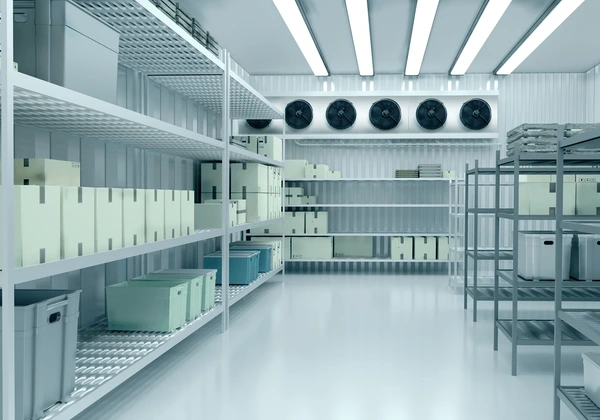
Walk-in Cold Rooms: Customizable cold storage solutions perfect for restaurants, hotels, and small-scale food processors. These modular systems can be tailored to specific space requirements and temperature needs.
Industrial Cold Storage: Large-scale cold storage facilities designed for agricultural cooperatives, food processing plants, and distribution centers. These systems are engineered to handle high volumes while maintaining precise temperature control.
Blast Freezers: Rapid freezing solutions that preserve product quality and texture by quickly reducing temperatures using high-velocity air circulation technology.
Controlled Atmosphere Storage: Advanced storage systems that manage oxygen, carbon dioxide, and humidity levels in addition to temperature, significantly extending the shelf life of fruits and vegetables.
Solar Cold Storage: Sustainable refrigeration solutions that harness solar energy to reduce operational costs and environmental impact, particularly beneficial for Nepal's rural agricultural communities.
Industry-Specific Solutions
Agricultural Sector: R.M Agrotech supports Nepal's farmers and agricultural cooperatives with cold storage solutions designed to reduce post-harvest losses and enable access to distant markets. Their systems are specifically configured for various crops grown in Nepal's diverse agricultural zones.
Dairy Industry: Specialized refrigeration systems for milk collection centers, dairy processing facilities, and distribution networks ensure that Nepal's growing dairy sector maintains quality and safety standards.
Pharmaceutical Storage: Temperature-controlled storage solutions that meet strict pharmaceutical standards for medicine and vaccine storage, crucial for Nepal's healthcare infrastructure.
Hospitality and Food Service: Commercial refrigeration solutions for hotels, restaurants, and catering businesses across Nepal's tourism industry.
Nationwide Service Network
R.M Agrotech's commitment to comprehensive service extends across Nepal, from the bustling commercial centers of Kathmandu and Pokhara to remote agricultural communities. Their service network includes:
- Professional Installation: Certified technicians ensure optimal performance from day one
- Preventive Maintenance: Regular maintenance programs to maximize system efficiency and longevity
- Emergency Repairs: Responsive emergency services to minimize downtime
- Genuine Spare Parts: Comprehensive inventory of authentic ICE MAKE components
- Technical Training: Training programs for customer staff on proper operation and maintenance
Understanding Cold Storage: More Than Just Refrigeration
Cold storage represents a sophisticated system of temperature-controlled environments designed to preserve perishable goods at optimal conditions throughout the supply chain. Unlike simple refrigeration, cold storage involves comprehensive facility design, precise temperature management, humidity control, and specialized handling procedures that maintain product quality, extend shelf life, and ensure food safety.
The concept extends far beyond keeping products cold. Modern cold storage facilities incorporate advanced technologies including automated storage and retrieval systems, real-time monitoring, energy-efficient cooling systems, and integrated logistics solutions that create seamless cold chain networks.
The Critical Role of Cold Storage in Food Security
Reducing Post-Harvest Losses
One of the most significant challenges facing global food security is post-harvest loss. According to the Food and Agriculture Organization (FAO), approximately one-third of all food produced for human consumption is lost or wasted globally. In developing countries, much of this loss occurs at the post-harvest and processing stages due to inadequate cold storage infrastructure.
Cold storage facilities dramatically reduce these losses by providing controlled environments that slow down natural deterioration processes. For fruits and vegetables, proper cold storage can extend shelf life by weeks or even months, ensuring that more produce reaches consumers in optimal condition.
Seasonal Availability and Price Stabilization
Cold storage enables farmers and distributors to store seasonal produce during peak harvest times and release it gradually throughout the year. This capability helps stabilize food prices, ensures year-round availability of nutritious foods, and provides farmers with better income opportunities by allowing them to sell their produce when market conditions are more favorable.
Quality Preservation and Nutritional Value
Proper cold storage maintains the nutritional value, texture, flavor, and appearance of perishable foods. Temperature-controlled environments slow down enzymatic reactions, bacterial growth, and other processes that degrade food quality. This preservation is particularly crucial for maintaining the vitamin content in fruits and vegetables, which can diminish rapidly at improper temperatures.
Cold Storage Applications Across Industries
Agricultural Sector
Cold storage is fundamental to modern agriculture, supporting everything from seed storage to finished produce preservation. In Nepal, R.M Agrotech has been instrumental in helping farmers and cooperatives implement cold storage solutions that dramatically reduce post-harvest losses.
Success Stories in Nepal: R.M Agrotech's cold storage installations have helped Nepali farmers extend the shelf life of vegetables, fruits, and other perishables, enabling them to access markets in urban centers and even export opportunities. Their solar-powered cold storage solutions have been particularly successful in rural areas where grid electricity is unreliable.
Fruit and Vegetable Storage: Different fruits and vegetables require specific temperature and humidity conditions. R.M Agrotech's ICE MAKE systems provide precise control tailored to Nepal's diverse agricultural products, from apples in the mountain regions to vegetables in the Terai plains.
Grain Storage: While not requiring as low temperatures as fresh produce, grain storage benefits from temperature control to prevent insect infestation and maintain quality during long-term storage. R.M Agrotech provides solutions for Nepal's grain storage needs.
Flower and Ornamental Plant Storage: Supporting Nepal's growing floriculture industry, R.M Agrotech's cold storage solutions help maintain the quality and extend the life of cut flowers and ornamental plants during transportation and storage.
Dairy Industry
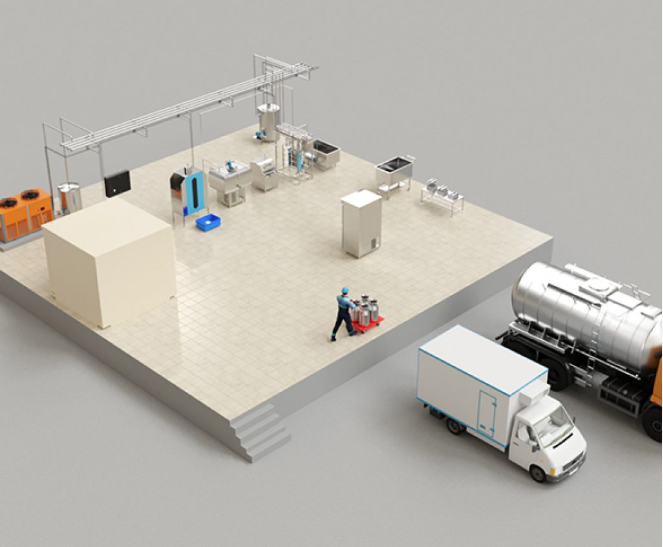
The dairy industry represents one of the largest users of cold storage facilities. R.M Agrotech has been a key partner in Nepal's dairy sector development, providing comprehensive refrigeration solutions from milk collection to retail distribution.
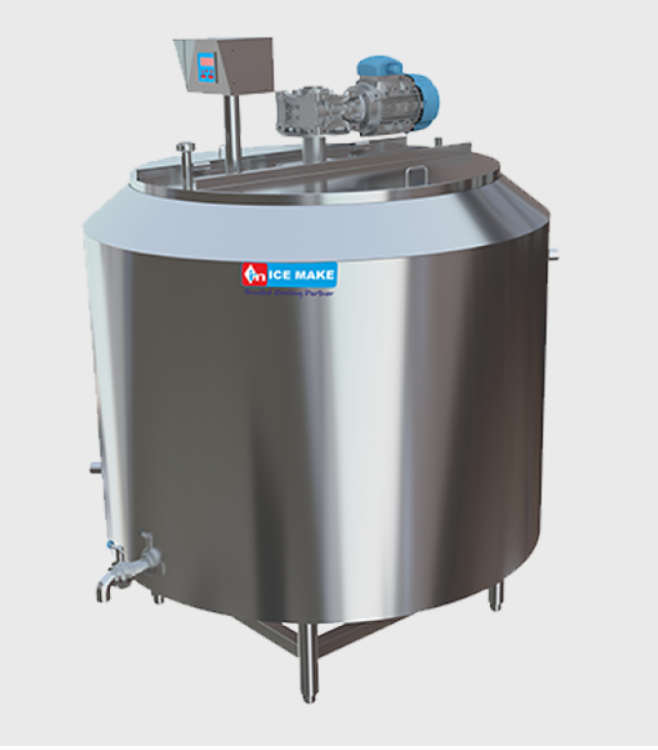
Milk Collection and Processing: R.M Agrotech's bulk milk coolers and cold storage systems ensure that raw milk is properly cooled immediately after collection and maintained at specific temperatures throughout processing. Their installations in dairy cooperatives across Nepal have significantly improved milk quality and reduced spoilage.
Distribution and Retail: R.M Agrotech's commercial refrigeration solutions support dairy product distribution networks, ensuring that products like cheese, yogurt, and butter maintain their quality from processing facilities to retail outlets across Nepal.
Meat and Poultry Industry
Cold storage is absolutely critical in the meat and poultry industry for food safety and quality maintenance. The industry relies on various types of cold storage facilities depending on the product and intended storage duration.
Blast Freezing: Rapid freezing techniques are used to quickly reduce the temperature of meat products, forming small ice crystals that preserve texture and quality.
Long-term Storage: Frozen meat products can be stored for extended periods in cold storage facilities, allowing for better inventory management and reduced waste.
Processing Facilities: Cold storage is integrated into processing plants to maintain product quality throughout various stages of meat processing.
Pharmaceutical Industry
The pharmaceutical industry has unique cold storage requirements for temperature-sensitive medications, vaccines, and biological products. R.M Agrotech's specialized pharmaceutical refrigeration solutions ensure that Nepal's healthcare system maintains the integrity of critical medicines and vaccines.
Vaccine Storage: R.M Agrotech's cold storage systems play a crucial role in Nepal's healthcare infrastructure, ensuring vaccines maintain their efficacy from central storage facilities to rural health posts. Their systems provide the precise temperature control and monitoring required for vaccine storage.
Biological Products: Many modern medications require specific temperature ranges for storage and transportation. R.M Agrotech's pharmaceutical-grade refrigeration solutions meet these stringent requirements, supporting Nepal's healthcare system with reliable temperature-controlled storage.
Ice Cream and Frozen Foods Industry
The frozen foods industry has built its entire business model around effective cold storage systems. From production facilities to retail freezers, maintaining proper temperatures is essential for product quality and safety.
Production and Packaging: Ice cream and frozen food manufacturing facilities require extensive cold storage capabilities to handle production volumes and maintain product quality.
Distribution Networks: Specialized cold storage warehouses and refrigerated transportation systems ensure that frozen products maintain their quality from production to consumer.
Types of Cold Storage Facilities
Walk-in Cold Rooms
Walk-in cold rooms are versatile cold storage solutions suitable for restaurants, hotels, small-scale food processors, and retail establishments. R.M Agrotech's ICE MAKE walk-in cold rooms have become popular across Nepal's hospitality and food service sectors.
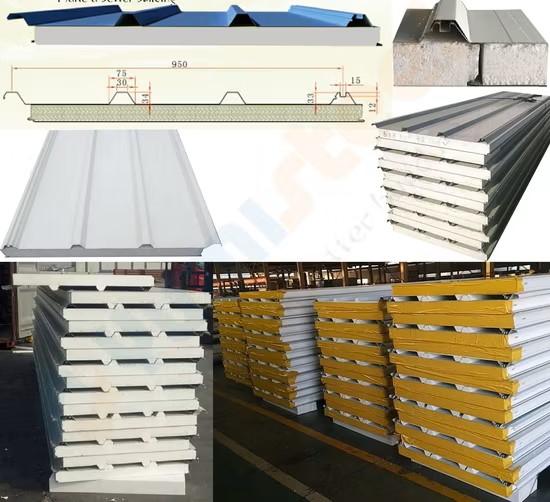
Design Flexibility: R.M Agrotech's walk-in cold rooms can be customized to fit specific space requirements and can be constructed using modular PUF panels for easy installation and modification, making them ideal for Nepal's diverse architectural requirements.
Temperature Zones: R.M Agrotech can create multiple temperature zones within larger facilities to accommodate different product requirements, maximizing storage efficiency for businesses with diverse refrigeration needs.
Blast Freezers
Blast freezers are specialized cold storage facilities designed for rapid freezing of food products. R.M Agrotech's ICE MAKE blast freezers use high-velocity air circulation to quickly reduce product temperature, preserving quality and texture.
Rapid Freezing Technology: R.M Agrotech's blast freezers can reduce product temperature from ambient to frozen in a matter of hours, helping Nepal's food processing industry maintain product quality and extend shelf life.
Industrial Applications: R.M Agrotech has installed blast freezers in large-scale food processing facilities across Nepal, enabling them to handle high volumes of products efficiently while maintaining international quality standards.
Controlled Atmosphere Storage
Controlled atmosphere storage facilities go beyond temperature control to manage oxygen, carbon dioxide, and humidity levels. R.M Agrotech's advanced ICE MAKE controlled atmosphere storage systems are particularly beneficial for Nepal's apple and vegetable storage needs.
Extended Shelf Life: R.M Agrotech's controlled atmosphere storage installations have helped Nepali farmers and traders extend the storage life of produce significantly beyond what temperature control alone can achieve, enabling year-round availability of seasonal produce.
Quality Maintenance: These systems help maintain the color, texture, and nutritional value of stored products, ensuring that Nepal's agricultural products can compete in quality-conscious markets.
Automated Cold Storage Systems
Modern cold storage facilities increasingly incorporate automation technologies to improve efficiency, accuracy, and safety. These systems can handle high volumes of products with minimal human intervention.
Robotic Systems: Automated storage and retrieval systems use robotics to move products in and out of storage, reducing labor costs and improving accuracy.
Inventory Management: Automated systems provide real-time inventory tracking and management capabilities.
Technology and Innovation in Cold Storage
Energy Efficiency Innovations
Modern cold storage facilities are incorporating advanced technologies to reduce energy consumption and operational costs while maintaining optimal storage conditions. R.M Agrotech's ICE MAKE systems feature the latest energy-efficient technologies.
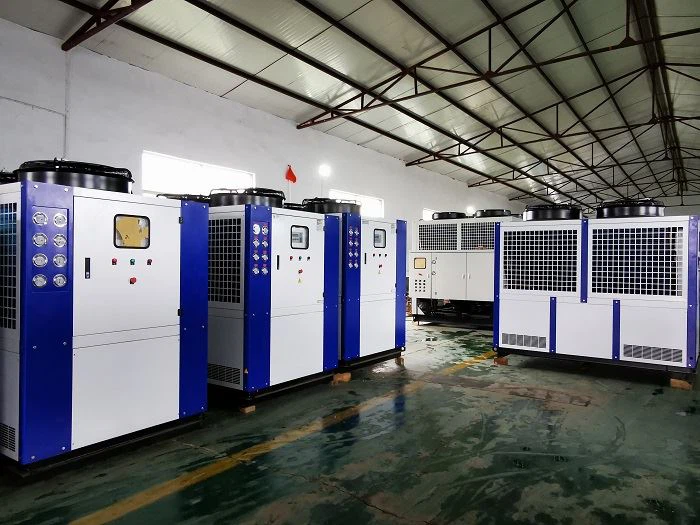
Variable Speed Compressors: R.M Agrotech's systems include variable speed compressors that adjust cooling capacity based on actual demand, significantly reducing energy consumption during periods of lower cooling requirements.
Heat Recovery Systems: ICE MAKE systems installed by R.M Agrotech capture waste heat from refrigeration systems and use it for other facility needs, improving overall energy efficiency and reducing operational costs for Nepal's businesses.
Advanced Insulation: R.M Agrotech uses modern PUF insulation materials and techniques that significantly reduce energy losses and improve temperature stability, crucial for Nepal's varied climate conditions.
Smart Monitoring Systems
Internet of Things (IoT) technology and smart sensors are revolutionizing cold storage monitoring and management. R.M Agrotech's ICE MAKE systems incorporate advanced monitoring capabilities to ensure optimal performance.
Real-time Monitoring: R.M Agrotech's systems include sensors that continuously monitor temperature, humidity, and other critical parameters, providing instant alerts to facility managers if conditions deviate from optimal ranges.
Predictive Maintenance: R.M Agrotech's smart systems can predict equipment failures before they occur, reducing downtime and preventing product loss for their customers across Nepal.
Data Analytics: Advanced analytics help R.M Agrotech's customers optimize storage conditions, predict demand, and improve overall facility performance.
Sustainable Refrigeration Technologies
Environmental concerns are driving innovation in refrigeration technologies used in cold storage facilities. R.M Agrotech is committed to providing eco-friendly refrigeration solutions that align with Nepal's environmental goals.
Natural Refrigerants: R.M Agrotech's ICE MAKE systems use natural refrigerants like ammonia and CO2 as alternatives to synthetic refrigerants with high global warming potential, supporting Nepal's commitment to environmental sustainability.
Solar-Powered Systems: R.M Agrotech specializes in solar-powered cold storage systems that are particularly beneficial for Nepal's rural areas, reducing dependence on grid electricity and lowering operational costs while providing reliable refrigeration.
Waste Heat Recovery: R.M Agrotech's systems include waste heat recovery capabilities that capture and utilize waste heat from refrigeration systems, improving overall energy efficiency and reducing environmental impact.
Economic Impact of Cold Storage
Job Creation and Economic Development
Cold storage facilities create employment opportunities across various skill levels, from facility operators and maintenance technicians to logistics coordinators and quality control specialists. The development of cold storage infrastructure often stimulates broader economic development in rural and agricultural areas.
Direct Employment: Cold storage facilities require skilled workers for operation, maintenance, and management.
Indirect Employment: Supporting industries such as transportation, equipment manufacturing, and maintenance services benefit from cold storage development.
Regional Development: Cold storage facilities often serve as anchors for broader food processing and logistics clusters.
Investment and Infrastructure Development
The cold storage industry requires significant capital investment, which can stimulate economic activity and infrastructure development.
Private Investment: Cold storage facilities attract private investment, contributing to economic growth and development.
Infrastructure Development: The development of cold storage facilities often requires improvements to transportation, utilities, and other infrastructure.
Technology Transfer: Cold storage projects often involve technology transfer and knowledge sharing, contributing to local capacity building.
Agricultural Value Addition
Cold storage facilities enable farmers and food processors to add value to their products through improved quality, extended shelf life, and access to distant markets.
Premium Markets: Properly stored products can command higher prices in premium markets that demand high quality and consistent supply.
Processing Opportunities: Cold storage enables the development of food processing industries that add value to raw agricultural products.
Export Potential: Reliable cold storage infrastructure is essential for developing export markets for perishable products.
Challenges in Cold Storage Development
High Capital Investment
Cold storage facilities require significant upfront investment for construction, equipment, and infrastructure. This high cost can be a barrier for small-scale operators and developing regions.
Equipment Costs: Refrigeration equipment, insulation materials, and control systems represent major cost components.
Infrastructure Requirements: Cold storage facilities require reliable electricity supply, which may necessitate additional infrastructure investment.
Return on Investment: The high capital costs require careful planning to ensure adequate returns on investment.
Technical Expertise Requirements
Operating and maintaining cold storage facilities requires specialized technical knowledge and skills that may not be readily available in all regions.
Skilled Operators: Cold storage facilities require skilled operators who understand refrigeration systems, product handling, and safety procedures.
Maintenance Expertise: Proper maintenance of cold storage equipment requires specialized technical knowledge and access to spare parts.
Training and Development: Developing local technical expertise requires investment in training and capacity building programs.
Energy Costs and Reliability
Cold storage facilities are energy-intensive operations that require reliable electricity supply. High energy costs and unreliable power supply can significantly impact operational viability.
Energy Efficiency: Improving energy efficiency is crucial for reducing operational costs and environmental impact.
Backup Power: Reliable backup power systems are essential to prevent product loss during power outages.
Renewable Energy: Integrating renewable energy sources can help reduce operational costs and environmental impact.
Environmental Considerations
Refrigerant Management
The choice and management of refrigerants in cold storage facilities have significant environmental implications.
Ozone Depletion: Older refrigerants can contribute to ozone depletion, leading to regulations requiring their phase-out.
Global Warming Potential: Many refrigerants have high global warming potential, contributing to climate change.
Natural Alternatives: Natural refrigerants offer environmentally friendly alternatives but may require different handling and safety procedures.
Energy Consumption and Carbon Footprint
Cold storage facilities are energy-intensive operations that can have significant carbon footprints.
Energy Efficiency: Improving energy efficiency is crucial for reducing environmental impact.
Renewable Energy: Integrating renewable energy sources can significantly reduce the carbon footprint of cold storage operations.
Lifecycle Assessment: Considering the full lifecycle environmental impact of cold storage facilities helps identify opportunities for improvement.
Waste Management
Cold storage facilities generate various types of waste that require proper management.
Packaging Waste: Cold storage operations generate significant amounts of packaging waste that requires proper disposal or recycling.
Organic Waste: Spoiled or damaged products must be properly disposed of to prevent environmental contamination.
Equipment Disposal: End-of-life refrigeration equipment requires proper disposal to prevent environmental harm.
Future Trends in Cold Storage
Automation and Robotics
The future of cold storage is increasingly automated, with robotics and artificial intelligence playing growing roles in facility operations.
Automated Handling: Robotic systems will handle more aspects of product storage and retrieval, improving efficiency and reducing labor costs.
Predictive Analytics: AI systems will optimize storage conditions, predict maintenance needs, and improve overall facility performance.
Integration with Supply Chain: Automated cold storage facilities will be increasingly integrated with broader supply chain management systems.
Sustainability and Green Technologies
Environmental sustainability is becoming increasingly important in cold storage facility design and operation.
Carbon Neutral Operations: Future cold storage facilities will aim for carbon neutral or even carbon negative operations.
Circular Economy: Cold storage facilities will increasingly adopt circular economy principles, minimizing waste and maximizing resource efficiency.
Sustainable Construction: Green building practices will become standard in cold storage facility construction.
Modular and Flexible Designs
Future cold storage facilities will be designed for flexibility and adaptability to changing market conditions.
Modular Construction: Modular designs will allow for easy expansion and modification of facilities as needs change.
Multi-Temperature Zones: Facilities will incorporate multiple temperature zones to accommodate different product requirements.
Convertible Spaces: Flexible designs will allow spaces to be converted between different uses as market conditions change.
Best Practices for Cold Storage Operations
Temperature Management
Proper temperature management is fundamental to successful cold storage operations.
Consistent Temperatures: Maintaining consistent temperatures throughout the facility is crucial for product quality.
Temperature Monitoring: Continuous monitoring and recording of temperatures helps ensure proper conditions and provides documentation for quality assurance.
Rapid Response: Quick response to temperature deviations prevents product loss and maintains quality.
Inventory Management
Effective inventory management is essential for maximizing the value of cold storage facilities.
First In, First Out: Proper rotation of inventory ensures that products are used before they deteriorate.
Lot Tracking: Tracking product lots helps ensure traceability and enables quick response to quality issues.
Demand Forecasting: Accurate demand forecasting helps optimize inventory levels and reduce waste.
Staff Training and Safety
Proper training and safety procedures are essential for cold storage operations.
Safety Protocols: Working in cold environments requires specific safety protocols and equipment.
Equipment Training: Staff must be properly trained on equipment operation and maintenance procedures.
Emergency Procedures: Clear emergency procedures help ensure rapid response to equipment failures or other issues.
Partnership with R.M Agrotech: Your Cold Storage Solution Provider
For businesses in Nepal seeking reliable cold storage solutions, R.M Agrotech Pvt Ltd offers unparalleled expertise and comprehensive support. As the authorized dealer for ICE MAKE REFRIGERATION LIMITED, R.M Agrotech provides:
Complete Project Solutions
- Site Assessment: Professional evaluation of your facility and requirements
- Custom Design: Tailored cold storage solutions for your specific needs
- Professional Installation: Certified technicians ensure optimal performance
- Commissioning and Testing: Comprehensive testing and quality assurance
Ongoing Support Services
- Preventive Maintenance: Regular maintenance programs to ensure optimal performance
- Emergency Repairs: Responsive service network across Nepal
- Spare Parts Supply: Genuine ICE MAKE components readily available
- Technical Training: Training programs for your staff
- 24/7 Support: Technical support whenever you need it
Industry Expertise
- Agricultural Solutions: Specialized systems for farmers and cooperatives
- Commercial Applications: Solutions for hotels, restaurants, and retail
- Industrial Systems: Large-scale refrigeration for processing facilities
- Pharmaceutical Storage: Temperature-controlled solutions for healthcare
Financing and Consultation
- Project Financing: Assistance with financing options and project planning
- ROI Analysis: Detailed analysis of return on investment
- Regulatory Compliance: Ensuring all installations meet local regulations
- Sustainability Consulting: Guidance on energy-efficient and eco-friendly solutions
Conclusion: The Future of Cold Storage
Cold storage has evolved from a simple preservation technology to a sophisticated system that underpins modern food security, agricultural sustainability, and global supply chains. As the world continues to face challenges related to population growth, climate change, and food waste, cold storage facilities will play an increasingly important role in ensuring food security and sustainability.
In Nepal, R.M Agrotech Pvt Ltd is leading this transformation, providing businesses across the nation with access to world-class cold storage technology backed by comprehensive local support. Their partnership with ICE MAKE REFRIGERATION LIMITED brings international quality and innovation to Nepal's diverse industries, from small-scale farmers to large commercial enterprises.
The future of cold storage lies in the integration of advanced technologies, sustainable practices, and flexible designs that can adapt to changing market conditions. R.M Agrotech continues to invest in these innovations, ensuring that their customers have access to the most advanced and efficient cold storage solutions available.
For developing countries like Nepal, investment in cold storage infrastructure represents a critical step toward reducing post-harvest losses, improving food quality, and accessing global markets. R.M Agrotech's comprehensive approach to cold storage solutions makes this investment accessible and profitable for businesses of all sizes.
As we look toward the future, cold storage will continue to evolve, incorporating new technologies and practices that improve efficiency, sustainability, and effectiveness. R.M Agrotech remains committed to bringing these innovations to Nepal, ensuring that the nation's businesses can compete in global markets while contributing to food security and economic development.
The investment in cold storage infrastructure today, supported by experienced partners like R.M Agrotech, will determine our ability to meet the food security challenges of tomorrow. By choosing reliable, efficient, and sustainable cold storage solutions, businesses can build more resilient operations while contributing to Nepal's economic growth and food security objectives.
For more information about cold storage solutions in Nepal, contact R.M Agrotech Pvt Ltd - your trusted partner for ICE MAKE REFRIGERATION LIMITED products and services.