In industries where temperature control is critical, a chilling plant plays a vital role in maintaining product quality and operational efficiency. From food processing and dairy industries to pharmaceuticals and cold storage facilities, chilling plants are widely used to remove heat and maintain low temperatures. Understanding how a chilling plant works can help businesses make better decisions when investing in cooling systems.
A chilling plant is a system designed to remove heat from a liquid, usually water, and use that chilled liquid to cool equipment, products, or spaces. It works on the basic principle of heat transfer, where unwanted heat is absorbed and removed through a refrigeration cycle. This process ensures that the required temperature is consistently maintained for various industrial applications.
The working of a chilling plant is based on four main components: the compressor, condenser, expansion valve, and evaporator. The process begins with the compressor, which compresses the refrigerant gas and increases its pressure and temperature. This high-pressure gas then moves to the condenser, where it releases heat to the surrounding environment and turns into a liquid.
Next, the liquid refrigerant passes through the expansion valve, where its pressure drops suddenly, causing it to cool down rapidly. This cold refrigerant then enters the evaporator, where it absorbs heat from the water or air that needs to be cooled. As it absorbs heat, the refrigerant evaporates back into a gas and returns to the compressor, repeating the cycle continuously.
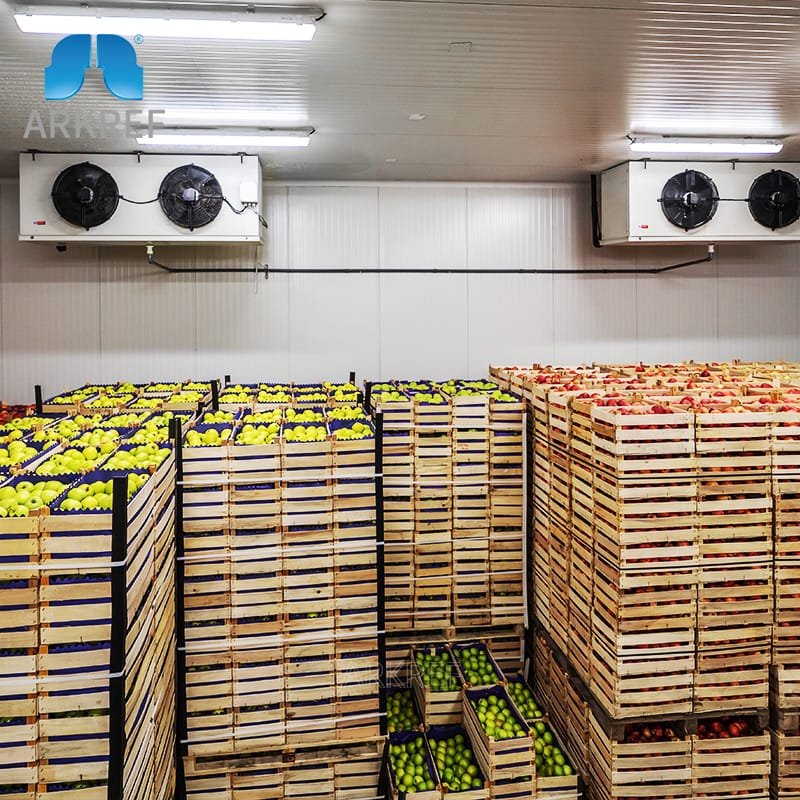
The chilled water produced by the system is circulated through pipes to cool machines, storage areas, or products. In food industries, it helps maintain freshness, while in industrial processes, it prevents overheating of equipment. This continuous cycle ensures efficient cooling and stable temperature control.
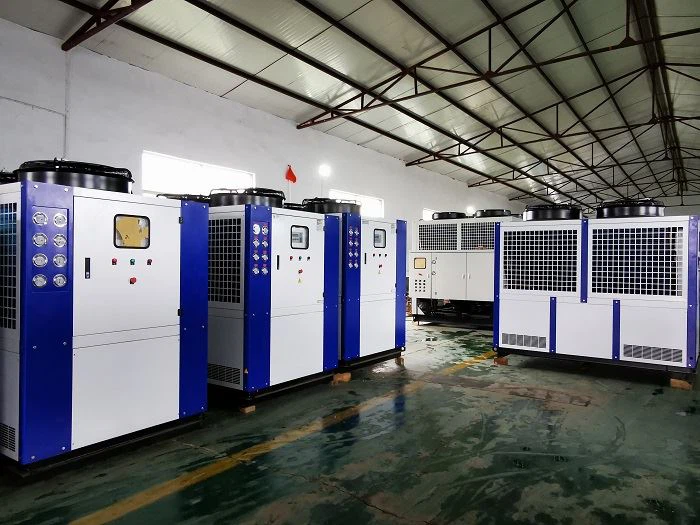
There are different types of chilling plants, including air-cooled and water-cooled systems. Air-cooled chilling plants use air to remove heat from the refrigerant, making them easier to install and maintain. Water-cooled chilling plants, on the other hand, use water for heat removal and are generally more efficient for large-scale operations.
Using a chilling plant offers several benefits for businesses. It improves product quality by maintaining the required temperature, reduces energy consumption when properly designed, and increases the lifespan of machinery by preventing overheating. It also supports consistent production processes, which is essential for industries that rely on temperature-sensitive operations.
However, the efficiency of a chilling plant depends on proper design, installation, and maintenance. Choosing the right system and working with an experienced supplier is crucial. In Nepal, RM Agrotech Pvt. Ltd. is a trusted provider of cooling and cold storage solutions. The company offers complete services, including system design, supply, installation, and maintenance, ensuring reliable and energy-efficient performance.
Common issues with chilling plants include poor cooling performance, high energy consumption, and frequent breakdowns. These problems often arise due to improper sizing, lack of maintenance, or low-quality components. Regular inspection and proper servicing can help avoid these issues and ensure smooth operation.
In conclusion, a chilling plant is an essential system for industries that require controlled cooling. By understanding its working principle and components, businesses can make informed decisions and improve efficiency. Investing in a well-designed system and partnering with a reliable provider like RM Agrotech Pvt. Ltd. can help ensure long-term performance, reduced costs, and better productivity.