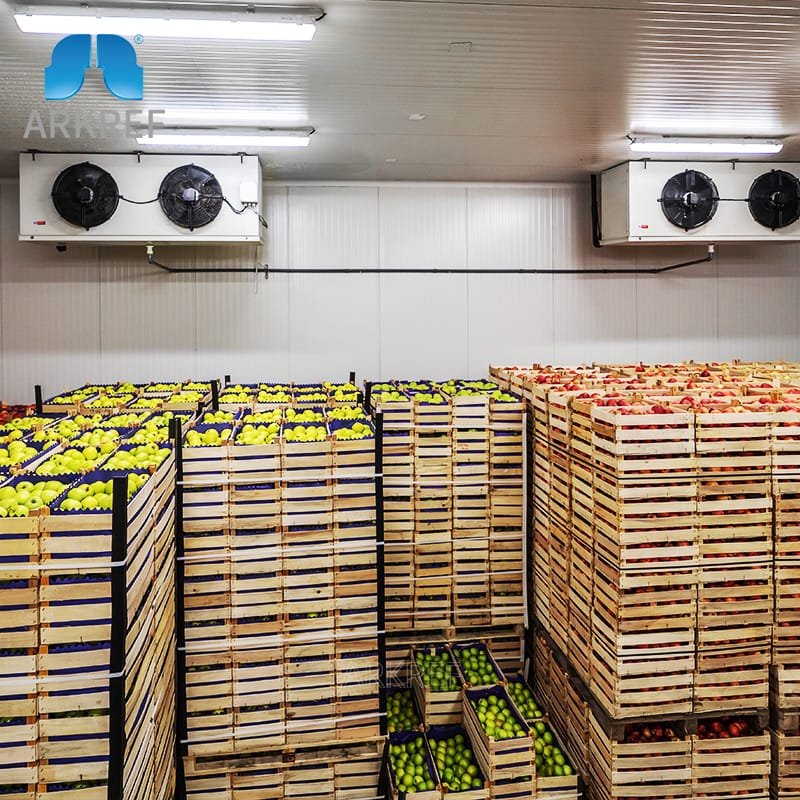
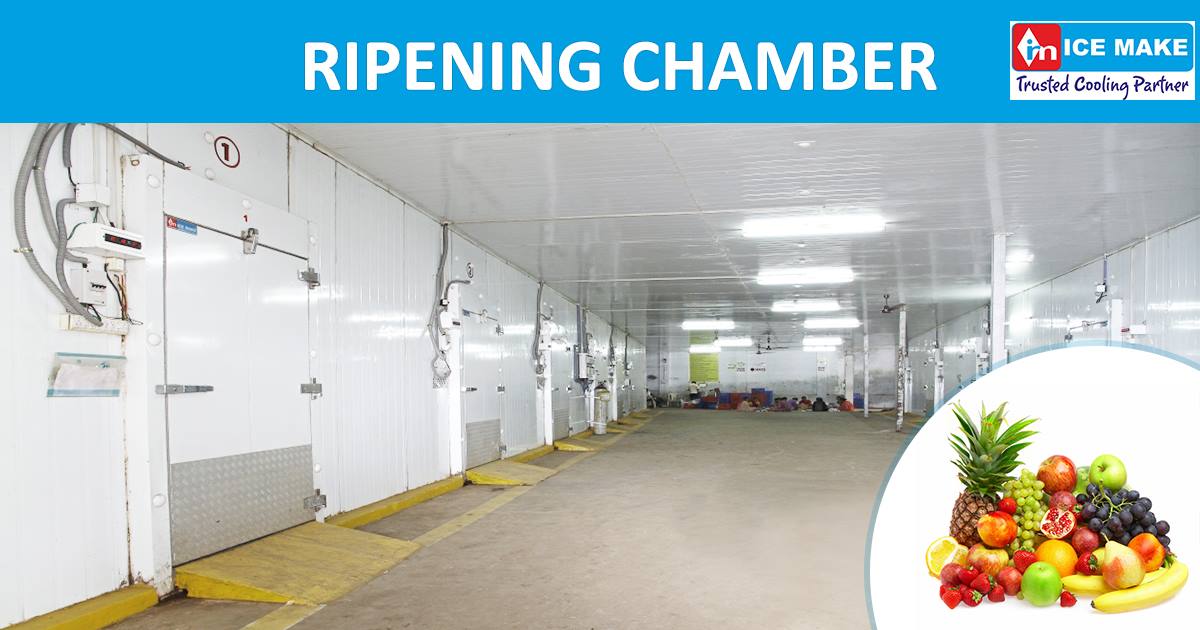
In modern agriculture and the food supply chain, managing the ripening process of fruits is just as important as growing them. Fruits like bananas, mangoes, papayas, and tomatoes require controlled conditions to ripen properly and maintain their quality. This is where a ripening chamber in a cold room becomes highly useful. It is a specially designed storage system that creates ideal environmental conditions for fruits to ripen naturally, safely, and uniformly.
A ripening chamber works by controlling three main factors: temperature, humidity, and ethylene gas. Ethylene is a natural plant hormone responsible for triggering the ripening process. In an open environment, fruits may ripen unevenly due to uncontrolled conditions. However, in a ripening chamber, these factors are carefully managed to ensure consistent results. This not only improves the appearance and taste of fruits but also reduces post-harvest losses.
Different fruits require different ripening conditions. For example, bananas are typically ripened at temperatures between 18°C and 22°C with high humidity levels of around 90% to 95%. These conditions help achieve a uniform yellow color and proper sweetness. Mangoes, on the other hand, require slightly higher temperatures ranging from 20°C to 24°C and humidity levels of 85% to 90%. Proper control ensures that mangoes develop good flavor and texture without shriveling.
Papayas are more sensitive and need even warmer conditions, usually between 22°C and 26°C, along with high humidity of about 90% to 95%. These settings help maintain their softness and prevent moisture loss. Tomatoes require slightly cooler conditions compared to tropical fruits. They are best ripened at temperatures between 18°C and 20°C with humidity levels around 85% to 90%. This ensures even color development and firmness.
In addition to temperature and humidity, proper air circulation inside the chamber is essential. It ensures that ethylene gas and temperature are evenly distributed throughout the storage space, allowing all fruits to ripen uniformly. Without good airflow, some fruits may over-ripen while others remain under-ripe, leading to quality issues.
Using a ripening chamber offers several advantages for farmers and businesses. It allows better control over the timing of fruit supply, improves product quality, and reduces spoilage. This ultimately leads to higher profits and better customer satisfaction. Moreover, it provides a safer alternative to traditional ripening methods that may involve harmful chemicals.
To achieve the best results, it is important to choose a reliable supplier and service provider. In Nepal, RM Agrotech Pvt. Ltd. is a trusted name in cold storage and ripening chamber solutions. The company provides complete services, including design, supply, installation, and maintenance of ripening chambers tailored to different fruits and business needs. Their expertise ensures efficient performance and long-term reliability.
In conclusion, a ripening chamber in a cold room is an essential technology for modern fruit handling. By controlling temperature, humidity, and ethylene levels, it enables uniform and safe ripening of fruits like bananas, mangoes, papayas, and tomatoes. Investing in a well-designed system and working with an experienced provider like RM Agrotech Pvt. Ltd. can help businesses improve quality, reduce losses, and succeed in today’s competitive market.