Milk pasteurization is one of the most important processes in the dairy industry. It helps in making milk safe for consumption by destroying harmful microorganisms without affecting its nutritional value. The two most widely used methods are Low Temperature Long Time (LTLT) and High Temperature Short Time (HTST) pasteurization. Although both methods aim to ensure milk safety, they differ in temperature, processing time, efficiency, and industrial application.
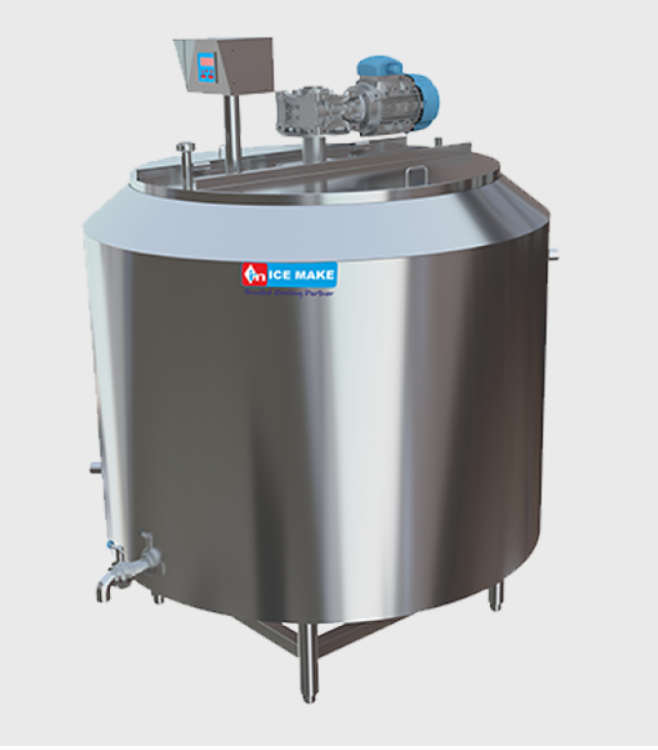
Low Temperature Long Time (LTLT) pasteurization is a traditional batch process used mainly in small dairy units. In this method, milk is heated at a temperature of 63°C for 30 minutes. The milk is then quickly cooled to prevent bacterial growth. LTLT is simple in operation and does not require highly complex machinery, making it suitable for small-scale dairy farmers or rural milk processing units.
The main advantage of LTLT pasteurization is its simplicity and low initial investment cost. It is easy to operate and maintain, which makes it accessible for small businesses. However, it also has some limitations. The process is time-consuming, less efficient for large-scale production, and not suitable for continuous processing systems.
On the other hand, High Temperature Short Time (HTST) pasteurization is a modern and widely used method in commercial dairy plants. In this process, milk is heated to 72°C for 15 seconds and then rapidly cooled. HTST is a continuous process, meaning milk flows through the system without interruption, making it highly efficient for large-scale production.
HTST pasteurization is preferred in modern dairy industries because it is faster and more energy-efficient compared to LTLT. It also helps in better preservation of milk’s natural taste, color, and nutritional value. Additionally, HTST systems are designed for high production capacity, making them ideal for commercial dairy processing plants.
When comparing both methods, the major difference lies in time and temperature. LTLT uses a lower temperature for a longer duration, while HTST uses a higher temperature for a very short time. This difference significantly affects production speed, efficiency, and scalability.
Another important difference is the type of system used. LTLT is a batch process, while HTST is a continuous flow system. This makes HTST more suitable for modern automated dairy plants, whereas LTLT is still used in small or traditional setups.
In terms of efficiency, HTST clearly has an advantage. It processes a larger quantity of milk in less time while maintaining high quality and safety standards. LTLT, although reliable, cannot match the production speed required in large-scale dairy operations.
In this sector, R.M. Agrotech Pvt. Ltd. plays an important role as a trusted supplier and service provider of dairy processing equipment, including both LTLT and HTST pasteurization systems. The company provides complete solutions such as design, installation, and maintenance of dairy plants.
With strong technical expertise, R.M. Agrotech Pvt. Ltd. supports dairy businesses in selecting the right pasteurization system based on production scale and operational needs. Their solutions help improve efficiency, ensure hygiene, and maintain consistent milk quality.
In conclusion, both LTLT and HTST pasteurization methods are important in milk processing, but they serve different purposes. LTLT is suitable for small-scale operations, while HTST is ideal for modern, large-scale dairy industries. Choosing the right method depends on production requirements, budget, and efficiency goals.