For kitchens in Kathmandu, Pokhara, and tourist corridors, the cooling step often decides quality and safety. This article clarifies roles: blast chillers quickly bring hot food down to safe chilled levels, while freezers hold products at sub-zero for longer durations. We outline workflow, equipment selection, and SOPs—plus a practical checklist—to help kitchens build reliable cooling without overcomplication.
Blast Chilling vs. Traditional Freezing: Guidance for Nepal’s HoReCa and Cloud Kitchens
Introduction
Peak service hours, diverse menus, and variable power make cooling a common bottleneck in Nepal’s kitchens. The solution is rarely one big freezer. Instead, pair blast chilling for rapid temperature drop with freezers for extended storage. As the authorized ICEMAKE partner in Nepal, RM Agrotech helps teams select, install, and operate systems that match their menu, space, and staff.
Market Reality / Pain Points
- Service pressure: Large batches come off the range at once, and slow cooling strains schedules.
- Quality drift: Texture, moisture, and color suffer when food cools too slowly.
- Food safety: Without controlled chilling, risk rises—especially in warm kitchens.
- Space and power: Back-of-house areas are tight; power quality varies.
- Staff turnover: SOPs must be easy to teach and follow.
How the Solution Works
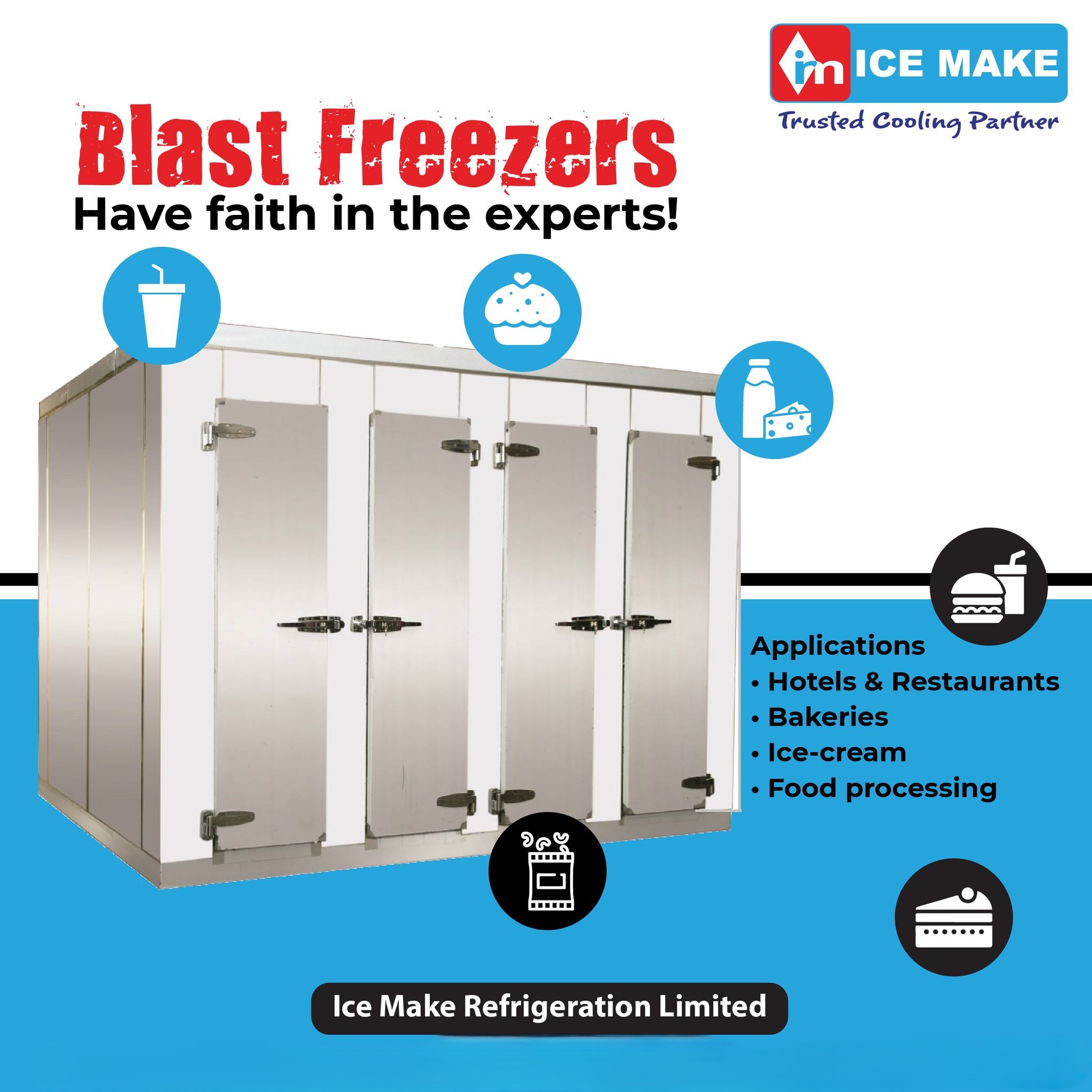
Blast chilling (rapid cooling): High-velocity, controlled airflow cools cooked food quickly and evenly in shallow pans. It’s designed for freshly cooked product.
Traditional freezing (holding): Freezers maintain sub-zero storage. They are not built to rapidly pull heat from hot food and may struggle with load spikes.
Two-step workflow: Cook → Blast chill to safe chilled levels → Portion/pack → Hold in chiller or freeze depending on plan.
Monitoring & logs: A simple probe check and batch log make cooling repeatable and auditable.
Features & Advantages
- Blast chiller: Locks in texture and appearance; supports batch cooking and predictable mise-en-place.
- Freezer: Stable long-term storage; ideal for pre-frozen inputs and finished goods.
- Together: Smooth service peaks, standardized prep windows, and reduced rework.
Nepal Use-Cases / Sectors
- Cloud & central kitchens: Chill bulk sauces, gravies, and curries before dispatching to outlets.
- Bakeries & patisseries: Control steps in mousse, sponge, and laminated dough; chill before finishing or freezing.
- Meat & poultry prep: After partial cooking or marination, chill promptly to protect texture prior to final cook.
- Hospitals & institutions: Standardize cooling between meal services for consistent safety.
Operations & Best Practices
- Tray depth & spacing: Use shallow pans and avoid stacking so air can move around product.
- Don’t seal in steam: Chill first, then pack to avoid trapping condensation.
- Probe at thickest point: Verify core temperature; log start/end times.
- Freezer staging: After chilling, freeze only items needing longer storage; keep chiller space for next-day service.
- Airflow discipline: Keep vents clear; load evenly.
- Cleaning & defrost: Maintain gaskets, racks, and evaporator cleanliness; follow defrost SOP.
- Power checks: Stabilizers and good earthing reduce nuisance trips.
Compliance & Quality
Rapid cooling and verified holding support HACCP-style plans, align with DFTQC expectations, and fit ISO 22000 documentation practices. For kitchens supporting clinics or NGOs, consistent logs demonstrate due diligence.
Sustainability / Energy Considerations
Right-sizing: Choose capacity aligned to true peak trays to avoid long cycles and waste. Setpoint realism: Focus on stability and repeatability rather than unnecessarily low targets. Door discipline: Group loads to minimize openings; organize pans before starting a cycle. Preventive care: Clean condensers and check gaskets to reduce run hours.
Benefits / Outcomes
Consistent quality across shifts and outlets. Safer operations with repeatable, logged cooling. Smoother service from predictable prep windows. Less waste due to fewer texture or separation failures.
Implementation with RM Agrotech × ICEMAKE
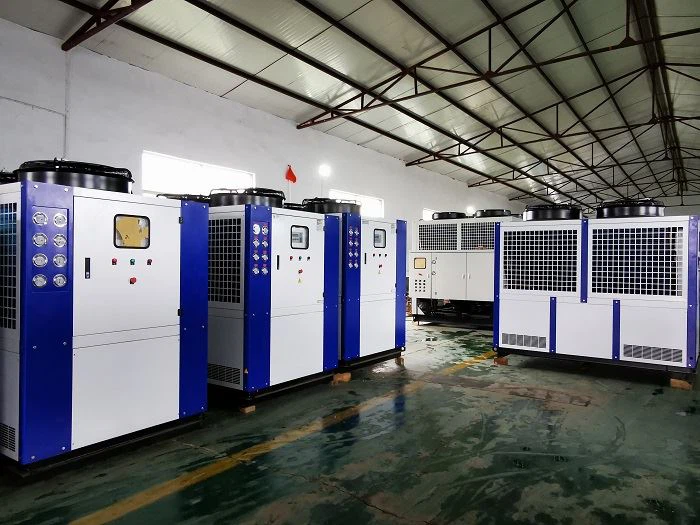
RM Agrotech, as authorized ICEMAKE partner in Nepal, helps specify compact reach-in blast chillers or larger roll-in units for central kitchens, plus compatible chillers/freezers. We plan load patterns, train teams, and set up simple monitoring and batch logs—so cooling becomes a calm, repeatable step.
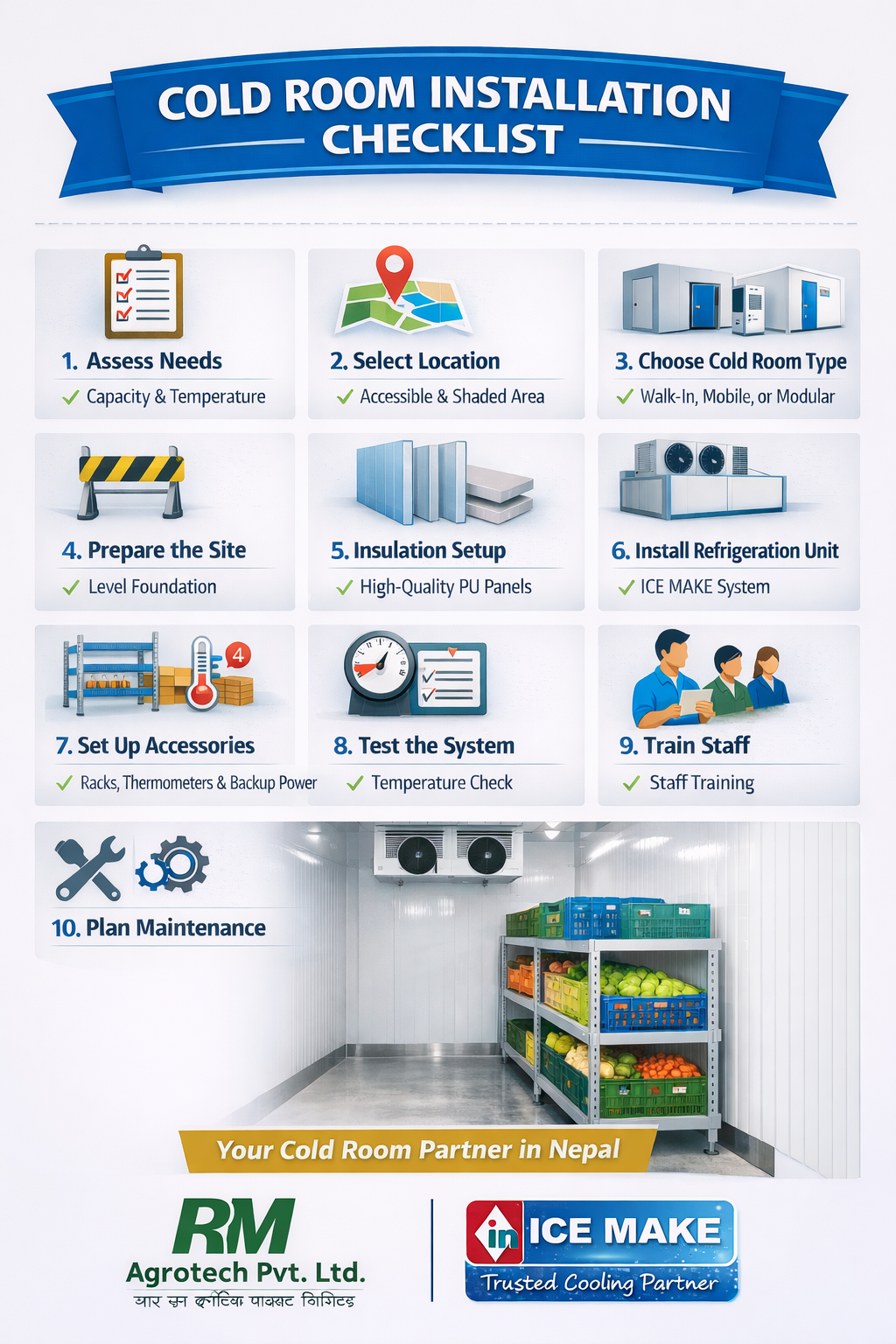
Checklist
- Map peak batch sizes and tray formats.
- Confirm available power, ventilation, and drainage.
- Define the cook → chill → hold/freeze workflow by product.
- Create a batch labeling and probe SOP.
- Set realistic alarm thresholds and cycle targets.
- Train staff and run a pilot menu to tune timings.
- Review logs weekly and adjust loading or tray depth.
Call to Action
If cooling is your bottleneck, adopt the two-step approach: blast chill to secure quality and safety, then hold or freeze as needed. Engage RM Agrotech (authorized ICEMAKE partner in Nepal) to configure the right equipment and SOPs for your kitchen.