Designing cold rooms for Mustang, Dolpa, and similar corridors is different from specifying a system in the Valley. Access, power irregularity, dry cold air, intense sun, and long technician travel times all affect equipment choices. This article offers envelope-first design, power planning, serviceability, and commissioning practices that make operations predictable in remote districts.
Building Cold Chain at Altitude: Design for Nepal’s Highlands and Remote Corridors
Introduction
Cold chain expansion in Nepal is reaching districts where monsoon closures, snowfall, and rough roads are normal. In such places, the design—not just the equipment—determines success. As the authorized partner to ICEMAKE, RM Agrotech focuses on build quality, power architecture, and remote operability so owners can rely on their rooms even when service teams cannot arrive quickly.
Market Reality / Pain Points
- Access windows: Deliveries and call-outs depend on weather and road status.
- Power: Extended outages, generator reliance, and variable voltage.
- Ambient extremes: Big day–night swings, dry air, dust, and strong UV.
- Maintenance latency: A small issue can escalate if not designed for local intervention.
- Last-mile logistics: Equipment often must be modular and hand-movable.
How the Solution Works (Design Principles)
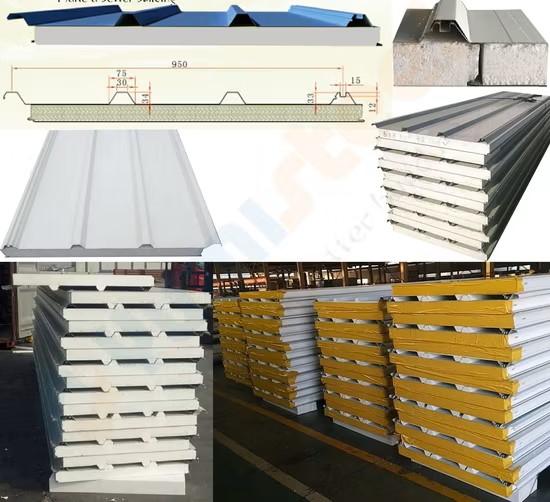
1) Envelope first: Prioritize panel thickness, tight camlocks, thermal breaks, and a continuous vapor barrier.
2) Altitude-aware selection: Match compressors, condensers, and expansion devices to expected ambient and lower air density; ensure adequate heat rejection.
3) Defrost discipline: Choose defrost method suited to local humidity and sub-zero risk; confirm drain heat where ambient is below freezing.
4) Power architecture: Include stabilizers and phase protection; size generators for start-up currents; consider solar-hybrid assistance where practical.
5) Serviceability by design: Front-access components, common spares, and remote monitoring to guide local operators.
6) Modularity: Break the project into shippable panels and skids; predefine lift points and safe temporary staging.
7) Commissioning & training: Build in time for leak checks, superheat tuning, and operator coaching.
Features & Advantages
- Rugged assembly: UV- and dust-aware hardware; gasket profiles that tolerate thermal cycling.
- Hybrid-ready: Compatible with generator and potential solar inputs.
- Remote oversight: Dashboards and alerts reduce emergency site visits.
- On-site spares: A defined kit prevents small issues from becoming stoppages.
Nepal Use-Cases / Sectors
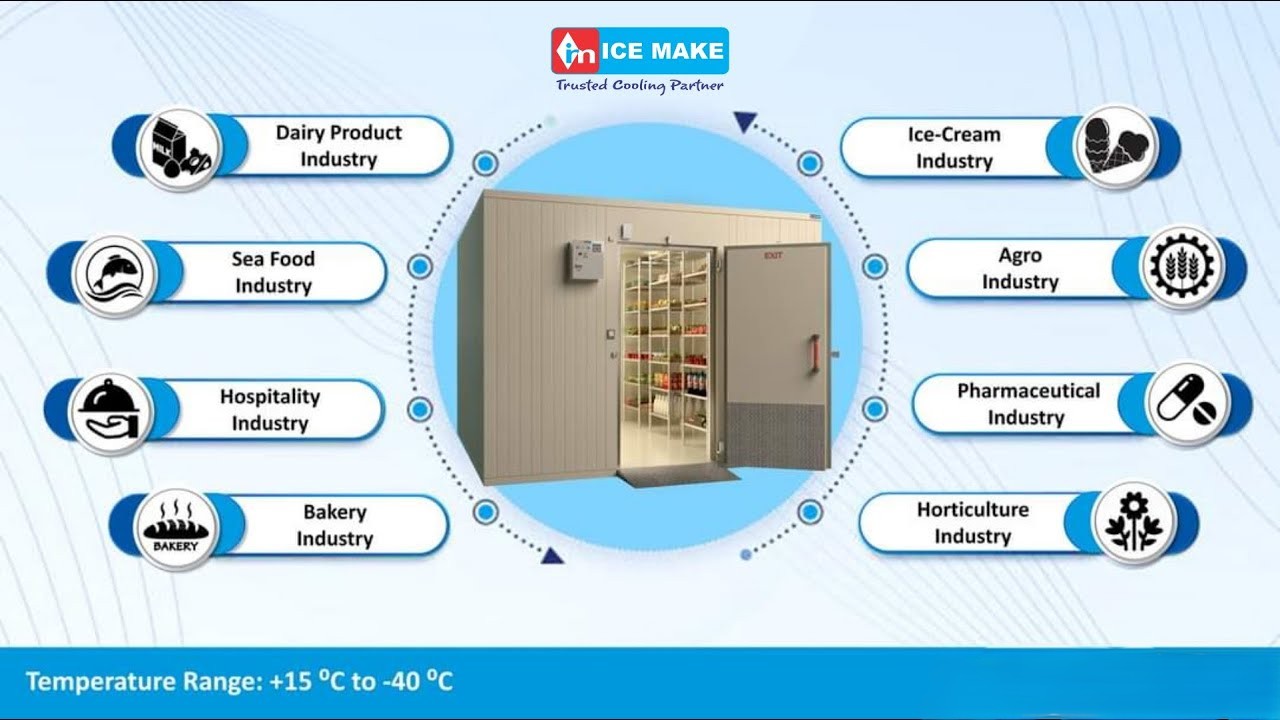
- Dairy collection & chilling in hill belts with long transport legs.
- Meat and highland fisheries that need rapid chilling before dispatch.
- Seed and horticulture hubs with humidity-sensitive stocks.
- Health posts & pharmacies requiring stable storage at altitude.
- Tourism kitchens & lodges where consistent cooling protects guests and reputation.
Operations & Best Practices
- Site planning: Confirm unloading paths and temporary storage for panels; plan for manual handling.
- Panel installation: Keep joints clean and dry; torque camlocks evenly; check vapor barrier continuity.
- Generator etiquette: Warm up, avoid short cycling, and maintain fuel quality; protect electronics with clean power.
- Defrost checks: Tune schedules to local door habits; test drain heaters and confirm condensate paths won’t freeze.
- Door protocol: Use PVC curtains or air curtains; plan material flow to shorten open time.
- Housekeeping: Clean condenser fins; inspect fan guards and door closers; log gasket condition monthly.
- Data review: Use monitoring to catch trend drift early and guide maintenance.
Compliance & Quality
Food businesses can align with HACCP-style programs, DFTQC expectations, and ISO 22000 record-keeping. For medical storage, maintain GDP-aligned logs and alarm responses.
Sustainability / Energy Considerations
Envelope = reliability: Strong panels and doors lower runtime and reduce defrost cycles—especially valuable when fuel is scarce. Solar-hybrid viability: High insolation can support daytime loads; monitoring validates performance. Setpoints that fit the product: Stability beats unnecessarily low temperatures.
Benefits / Outcomes
Predictable storage despite weather and power variability. Fewer emergency trips due to remote monitoring and spares. Safer handling for food and pharma at altitude. Greater owner confidence when expanding into new districts.
Implementation with RM Agrotech × ICEMAKE
RM Agrotech, the authorized ICEMAKE partner in Nepal, co-plans envelope, equipment, power, monitoring, and spares so installations are achievable and serviceable in remote sites. Local training and periodic check-ins support long-term stability.
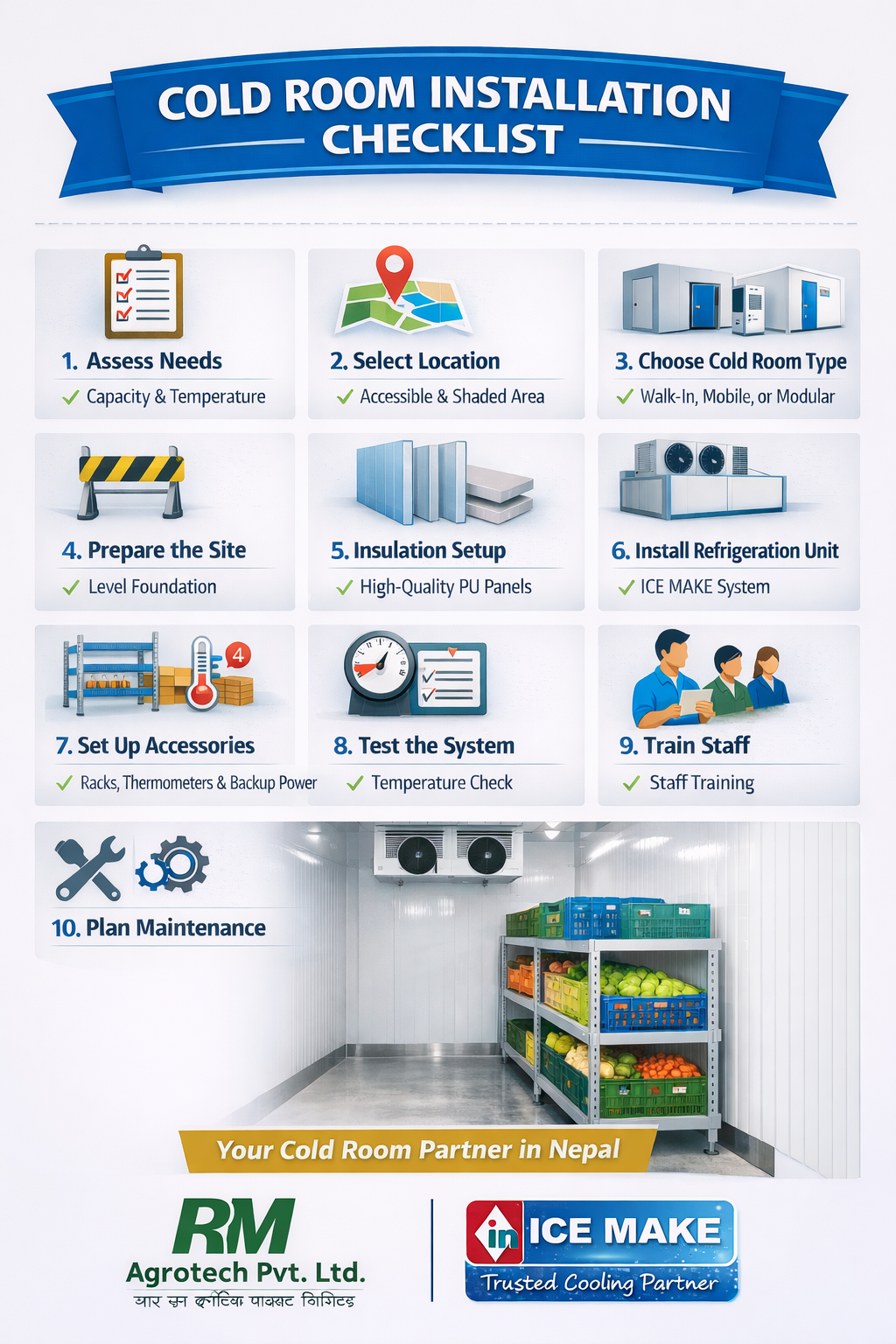
Checklist
- Confirm access route, unloading method, and secure staging.
- Specify panel thickness, doors, and vapor barrier continuity.
- Select altitude-suited compressors/condensers.
- Size stabilizer and generator; validate start-up current.
- Define defrost method; test drains and door-heating needs.
- Set up monitoring, alarm routing, and data retention.
- Stock an on-site spares kit and tools.
- Schedule operator training and follow-up calls.
Call to Action
Planning a highland or remote cold room? Talk to RM Agrotech (authorized ICEMAKE partner) to design a system that respects Nepal’s terrain, power conditions, and serviceability.