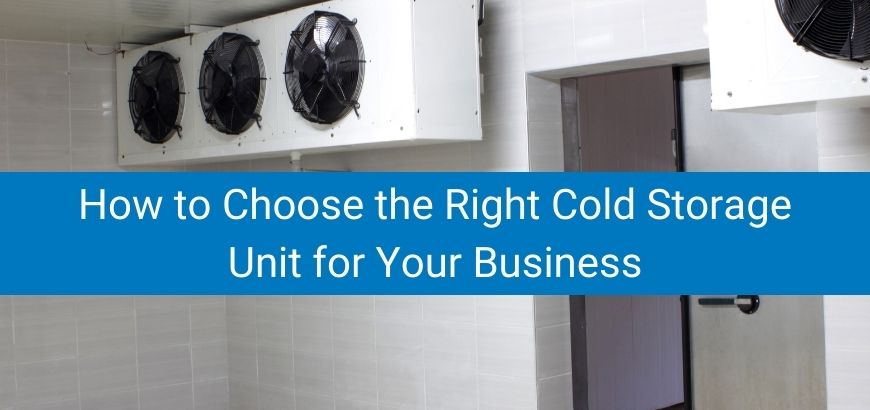
The page discusses the importance of choosing the right cold storage unit for a business. It highlights the factors to consider when selecting a cold storage unit, including:
* Utility or purpose
* Capacity
* Temperature range and stability
* Refrigeration system
* Energy requirements
* Safety and warranty
* Custom features
* Additional functionalities or accessories
The article emphasizes the need for a stable temperature range, energy efficiency, and safety features to maintain the integrity and value of products. It also mentions the benefits of modular, smart, and environment-friendly designs in cold storage solutions.
**Key Takeaways**
* Choosing the right cold storage unit is crucial for business profitability
* Consider multiple factors, including utility, capacity, temperature range, and energy efficiency
* Look for safety features, custom options, and additional functionalities
* Modular, smart, and environment-friendly designs can provide benefits in cold storage solutions
Cold Storage Solutions for Nepal: A Complete Guide to Preserving Your Business Investment
The Growing Cold Storage Market: Global Trends and Nepal's Opportunity
The global cold storage market is experiencing unprecedented growth, with industry reports indicating the market is estimated to reach over USD 330 billion by 2030. This expansion is driven by increasing demand for perishable goods including food and biopharmaceutical products, as well as consumers' growing concern about food wastage and nutrient value.
For Nepal, this presents a significant opportunity. As businesses across the country recognize the importance of proper cold storage in the food supply chain, early adopters are positioning themselves to capture substantial market share in this rapidly expanding sector.
The Current Situation: Challenges and Opportunities
Common Challenges Faced by Nepali Businesses:
Agricultural Sector:
- Post-harvest losses of 25-40% in fruits and vegetables
- Limited storage capacity during peak harvest seasons
- Inability to maintain quality standards for export markets
- Dependence on immediate local sales at lower prices
Food Processing Industry:
- Difficulty in maintaining cold chain integrity
- Limited shelf life of processed products
- Challenges in meeting international quality standards
- Higher operational costs due to frequent spoilage
Pharmaceutical and Healthcare:
- Need for temperature-controlled storage for medicines
- Compliance with international pharmaceutical standards
- Maintaining vaccine cold chain requirements
- Ensuring product efficacy and safety
Types of Cold Storage Solutions Available
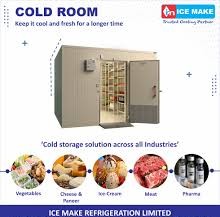
1. Walk-In Cold Rooms
Specifications:
- Temperature Range: +2°C to +8°C
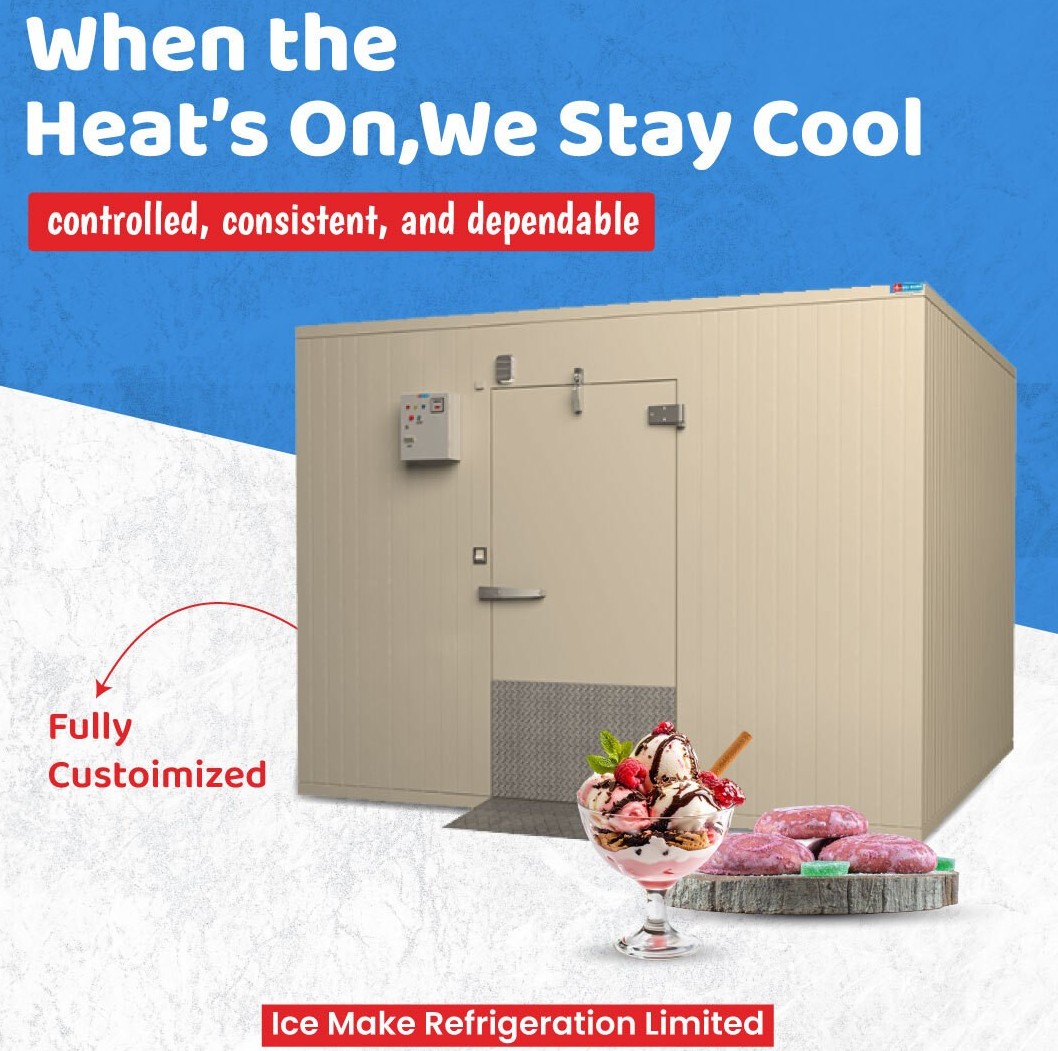
- Capacity: 50 to 2000 cubic feet
- Suitable for: Fresh produce, dairy, beverages, pharmaceuticals
Applications:
- Restaurants and hotels for food storage
- Retail stores for perishable goods
- Small-scale farmers for produce preservation
- Medical facilities for temperature-sensitive medicines
Benefits:
- Easy access for daily operations
- Customizable to fit available space
- Energy-efficient operation
- Cost-effective for small to medium businesses
2. Blast Freezers
Specifications:
- Temperature Range: -18°C to -40°C
- Rapid freezing capability
- Available in various sizes and capacities
Applications:
- Meat and poultry processing
- Seafood preservation
- Ice cream manufacturing
- Frozen food production
Benefits:
- Preserves nutritional value and texture
- Extends storage life significantly
- Meets export quality standards
- Prevents ice crystal formation
3. Controlled Atmosphere Storage
Specifications:
- Temperature control combined with gas composition management
- Oxygen, carbon dioxide, and humidity control
- Suitable for long-term storage
Applications:
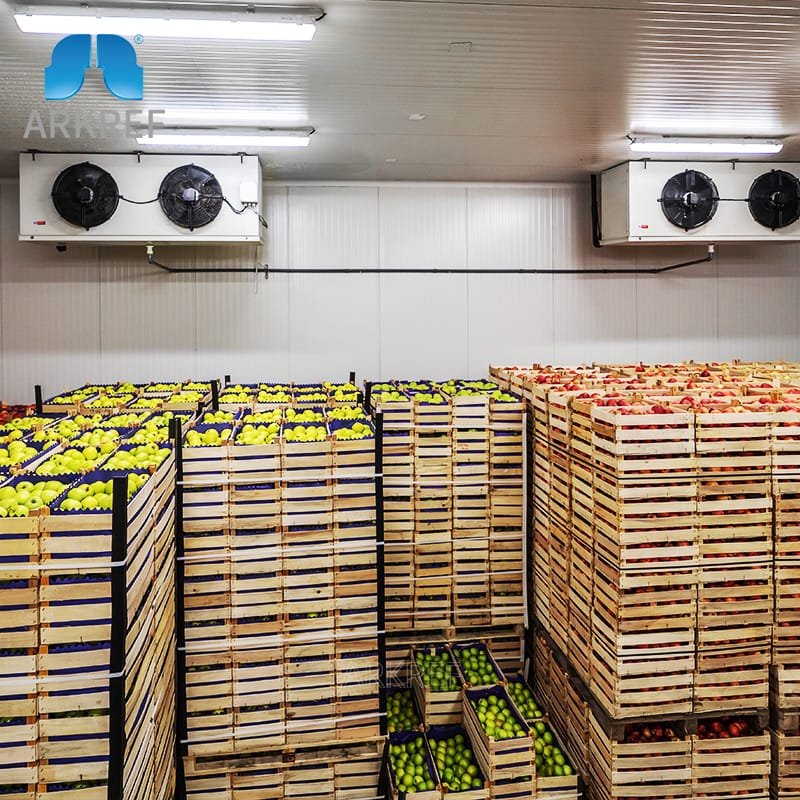
- Apple and fruit storage
- Export-oriented produce
- Premium quality maintenance
- Extended seasonal availability
Benefits:
- Extends storage life by 200-300%
- Maintains harvest-fresh quality
- Enables year-round supply
- Premium market access
4. Multi-Temperature Storage Facilities
Specifications:
- Multiple temperature zones in one facility
- Customizable compartments
- Efficient space utilization
Applications:
- Supermarkets and large retailers
- Food distribution centers
- Mixed product storage
- Warehouse operations
Benefits:
- Optimized for different product requirements
- Space and cost efficiency
- Centralized management
- Reduced operational complexity
5. Pharmaceutical Cold Storage
Specifications:
- Precise temperature control (±0.5°C)
- Backup power systems
- Data logging and monitoring
- Compliance with international standards
Applications:
- Hospitals and clinics
- Pharmaceutical distributors
- Vaccine storage
- Medical research facilities
Benefits:
- Ensures product efficacy
- Regulatory compliance
- Automated monitoring
- Emergency backup systems
How to Choose the Right Cold Storage Unit for Your Business
Step 1: Define Your Industry and Product Requirements
Industry-Specific Considerations:
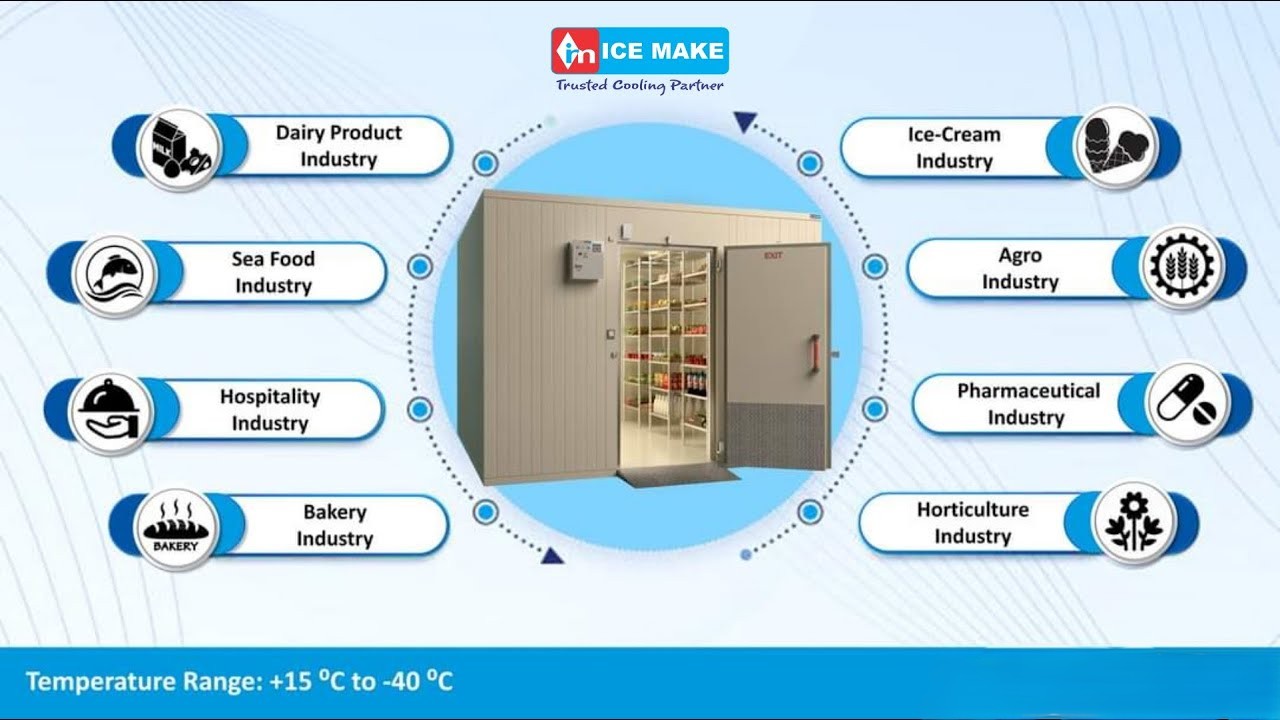
- Food & Beverage: Fresh produce, dairy, meat, seafood, processed foods
- Pharmaceutical: Vaccines, medicines, laboratory samples, research materials
- Hospitality: Restaurants, hotels, catering services, cloud kitchens
- Agricultural: Post-harvest storage, export preparation, seasonal preservation
- Retail: Supermarkets, grocery stores, convenience stores
Product-Specific Requirements:
- Fresh fruits and vegetables: 0°C to 4°C
- Dairy products: 2°C to 4°C
- Meat and poultry: -3°C to 4°C
- Frozen foods: -18°C to -25°C
- Pharmaceuticals: 2°C to 8°C (with strict stability requirements)
- Vaccines: -80°C to +8°C (depending on type)
Step 2: Determine Optimal Capacity and Space Requirements
Capacity Planning Guidelines:
- Industry standards recommend cold storage facilities should be almost 40% larger than the required space
- Account for product movement, shelving, and proper airflow
- Consider seasonal variations and peak demand periods
- Plan for future business growth and expansion
Space Efficiency Factors:
- Product accessibility and organization
- Loading and unloading operations
- Maintenance access areas
- Staff movement and safety considerations
- In larger cold rooms the air takes a long time to warm up, hence, the temperature remains stable for an extended time when compared to small cold rooms
Step 3: Temperature Control and Stability Requirements
Critical Temperature Considerations:
- A stable temperature range protects the integrity and stability of the products and ensures value for the businesses
- Different products require specific temperature ranges for optimal preservation
- Temperature fluctuations can compromise product quality and safety
- Backup systems essential for critical applications
Refrigeration System Selection:
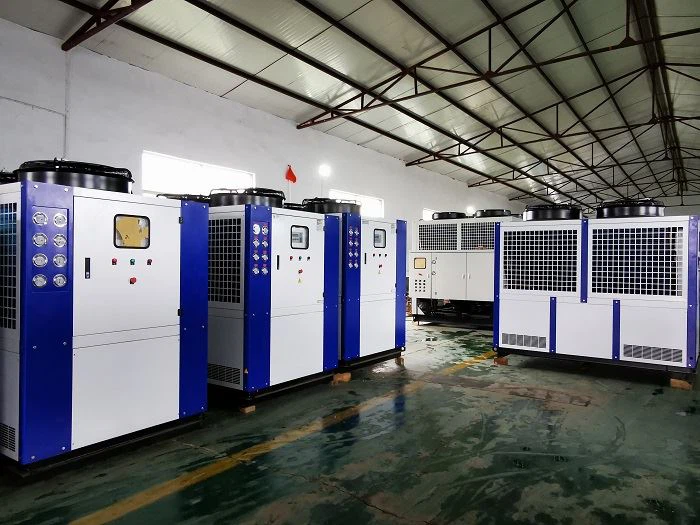
- Evaporator systems: Remove heat from the cold room effectively
- Condenser systems: Release hot air efficiently
- Remote vs. Centralized systems: Based on facility size and requirements
- Compressor efficiency: Using an efficient compressor can help you save energy by up to 10%
Step 4: Energy Efficiency and Operational Cost Analysis
Energy-Saving Technologies:
- Electronically commutated condenser and evaporator fan motors can save up to 19% energy
- LED lighting systems for reduced power consumption
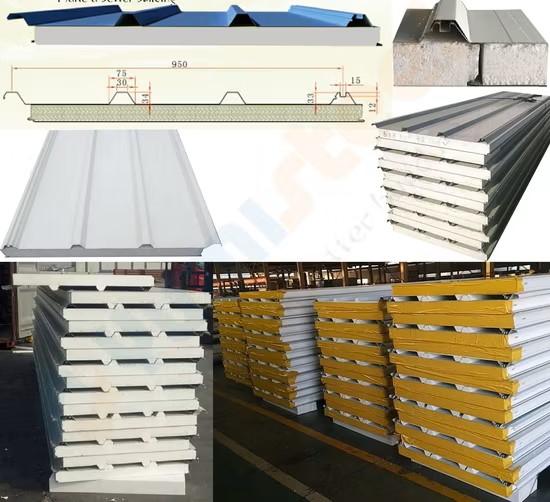
- Rigid polyurethane foam insulation for thermal efficiency
- Smart monitoring systems for optimized performance
Cost-Benefit Analysis:
- Initial investment vs. long-term savings
- Energy consumption patterns and costs
- Maintenance and operational expenses
- Return on investment timeline
Step 5: Quality, Safety, and Warranty Considerations
Quality Assurance Features:
- Quality and safety warranty for the refrigeration, panels, or cooling hardware ensures a longer service life
- Compliance with international food safety standards
- Proper documentation and certification
- Regular maintenance and service support
Safety and Compliance:
- Food safety regulations compliance
- Pharmaceutical storage standards (GDP/GMP)
- Environmental regulations and CFC-free units
- Emergency backup systems and alarms
Step 6: Customization and Special Requirements
Custom Solutions Available:
- Anti-skid floors, environment-friendly (CFC-free unit), glass doors, custom shelving units, noiseless equipment, or insulated sections for specific products
- Multi-temperature zones in single facility
- Specialized monitoring and control systems
- Integration with existing infrastructure
Additional Considerations:
- Access requirements (walk-in vs. step-in)
- Display capabilities for retail applications
- Automated storage and retrieval systems
- Integration with inventory management systems
Why Choose ICEMAKE Cold Storage Solutions
Technical Excellence
- 15+ years of experience in cold storage technology
- Advanced refrigeration systems
- Energy-efficient designs
- Customized solutions for specific needs
Comprehensive Service
- Complete design and engineering
- Professional installation
- Ongoing maintenance and support
- Staff training and certification
Local Support in Nepal
- Partnership with RM Agro Tech Nepal
- Local technical support
- Understanding of Nepal's climate conditions
- Compliance with local regulations
Quality Assurance
- International quality standards
- Reliable performance
- Warranty and after-sales service
- Proven track record across South Asia
Implementation Process
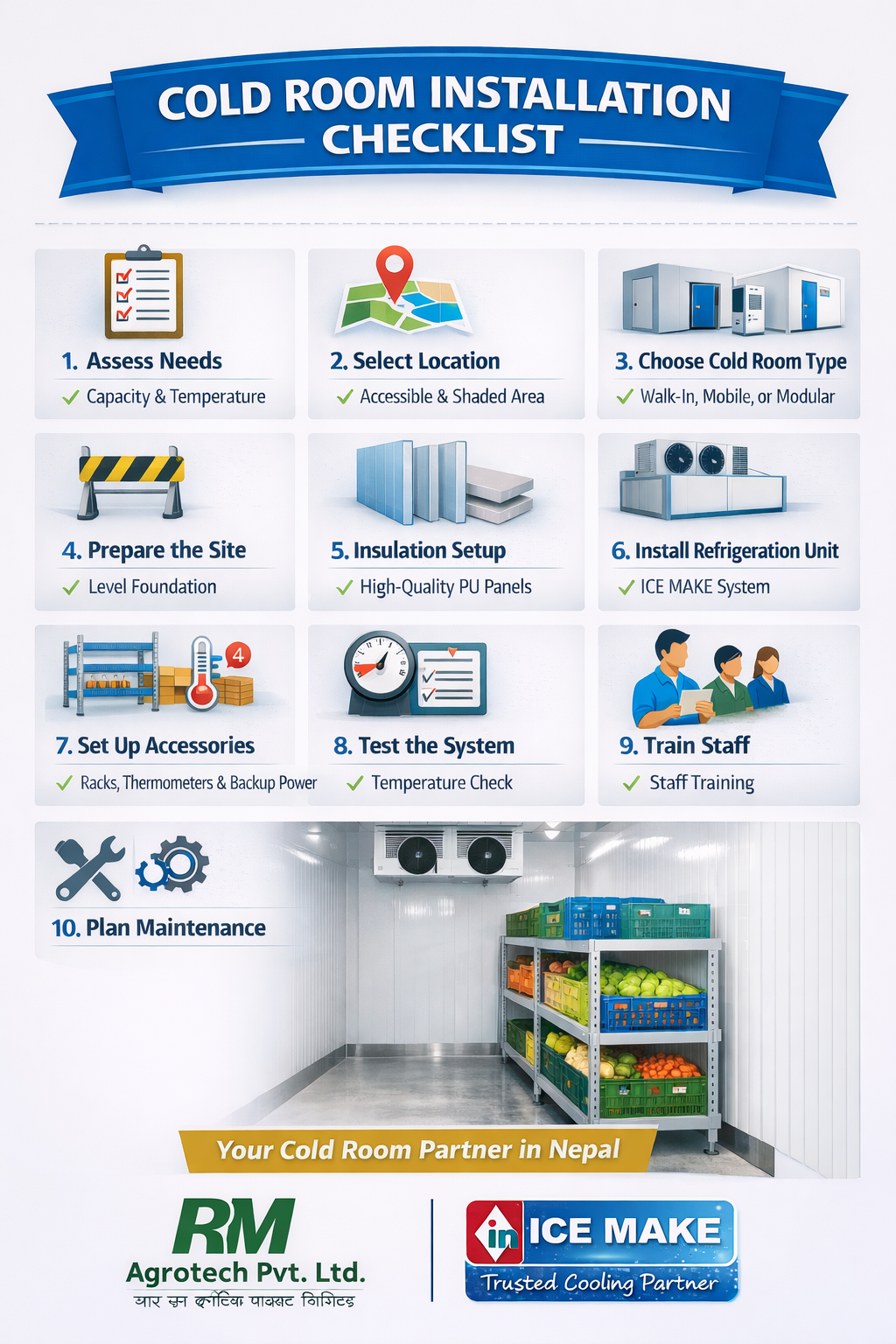
Phase 1: Consultation and Assessment
- Free site survey and needs assessment
- Technical feasibility study
- Customized solution design
- Detailed project proposal
Phase 2: Planning and Approval
- Engineering drawings and specifications
- Regulatory approvals and permits
- Timeline and milestone planning
- Final cost confirmation
Phase 3: Installation and Commissioning
- Professional installation by certified technicians
- System testing and commissioning
- Staff training and handover
- Documentation and certificates
Phase 4: Ongoing Support
- Regular maintenance schedules
- 24/7 technical support
- Performance monitoring
- Upgrade and expansion services
Key Factors for Successful Cold Storage Implementation
Professional Installation and Service Quality
Selecting the right cold storage unit has a direct impact on your business's profitability. A professional service provider should offer quality and safety warranty for the refrigeration, panels, or cooling hardware to ensure a longer service life and immediate response to product malfunctioning or failure.
Size and Efficiency Relationship
The size of the cold room can significantly affect energy efficiency. Maintaining one properly sized cold room is typically more energy efficient than multiple small ones, though the final decision depends on whether one cold room can meet all your operational requirements.
Strict Regulatory Compliance
Because of strict regulations, cold storage is more complicated and expensive than dry storage. You must take into account cost, temperature stability, energy efficiency, and regulatory compliance to make the right choice for your business.
Getting Started
Contact Information
RM Agro Tech Nepal
- Website: rmagrotech.com.np
- Services: Consultation, installation, maintenance
- Coverage: All regions of Nepal
- Language: Nepali and English support
ICEMAKE India
- Website: icemakeindia.com
- Manufacturer of cold storage solutions
- Technical specifications and product catalog
- International quality standards
Next Steps
- Contact RM Agro Tech for initial consultation
- Schedule site visit and needs assessment
- Review customized solution proposal
- Finalize technical specifications and pricing
- Begin installation process
Conclusion
Selecting the right cold storage solution has a direct impact on your business's profitability. A right cold storage facility can not only lower your storage and distribution costs but also improve customer experience and satisfaction level. To ensure your cold room is environment-friendly, energy-efficient, fulfills safety checks, maintains a stable temperature range, and requires low maintenance, you need to carefully consider multiple factors including industry requirements, capacity planning, temperature control, energy efficiency, and service quality.
Cold storage technology is an essential investment for businesses in Nepal's growing economy. Whether you're in agriculture, food processing, pharmaceuticals, or hospitality, the right cold storage solution can transform your business operations, reduce losses, and open new market opportunities.
The key is to work with experienced professionals who understand both the technology and the local market conditions. ICEMAKE's partnership with RM Agro Tech Nepal provides the perfect combination of international expertise and local support, ensuring you get an efficient, easy-to-clean, and maintain cold room that meets your specific business requirements.
Take the first step toward securing your business future by contacting RM Agro Tech Nepal today for a professional consultation and customized solution proposal.
For detailed information about specific cold storage solutions and to schedule a consultation, visit rmagrotech.com.np or contact your local RM Agro Tech representative.