Fresh fish quality is decided in the first hours after catch. In Nepal’s lakes and river corridors, simple flake ice, clean handling, and disciplined pre-chill protect texture, color, and shelf life—especially across rough roads and altitude changes. This guide maps a practical fisheries cold chain: on-boat/shore icing, insulated boxes, pre-chill at landing, hygienic pack, transport, and market storage. RM Agrotech × ICEMAKE support with flake ice plants, chilled rooms, and training so teams can run the chain every day.
Introduction
Fish doesn’t wait. Once caught, enzyme and microbial activity begin immediately. The most reliable defense is temperature control plus clean handling—starting right on the boat or shore. In Nepal, fisheries supply city markets through winding roads, heat in the Terai, and altitude swings heading toward the hills. A practical, consistent chain—ice at catch, insulated boxes, pre-chill at landing, chilled storage, and cold transport—turns fragile minutes into confident hours.
Market Reality / Pain Points
• Ice shortage or poor ice quality; boxes without insulation.
• Handling that bruises fish; melted ice water left stagnant.
• Landing sites without pre-chill; fish go straight to warm rooms or trucks.
• Power variability interrupts chill at depots and markets.
• Logs and hygiene checks are ad-hoc; disputes with buyers are common.
How the Solution Works
• Flake ice at catch: Flake forms a cold blanket over fish, filling voids without damaging tissue.
• Insulated boxes: Food-grade, lidded, easy to clean; drain meltwater to avoid soaking fish.
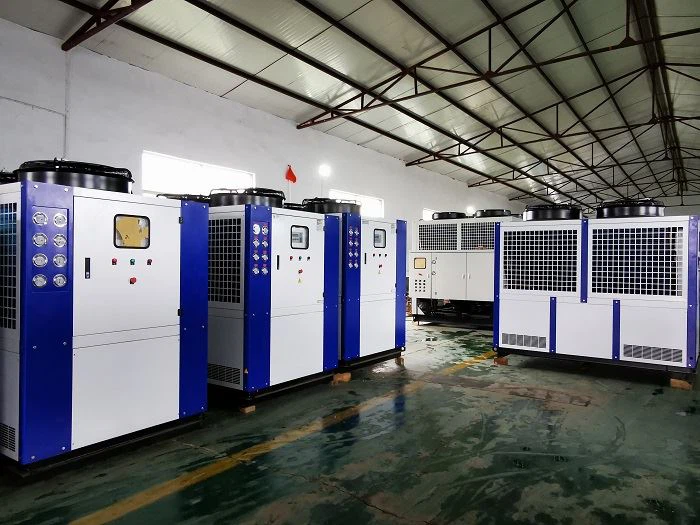
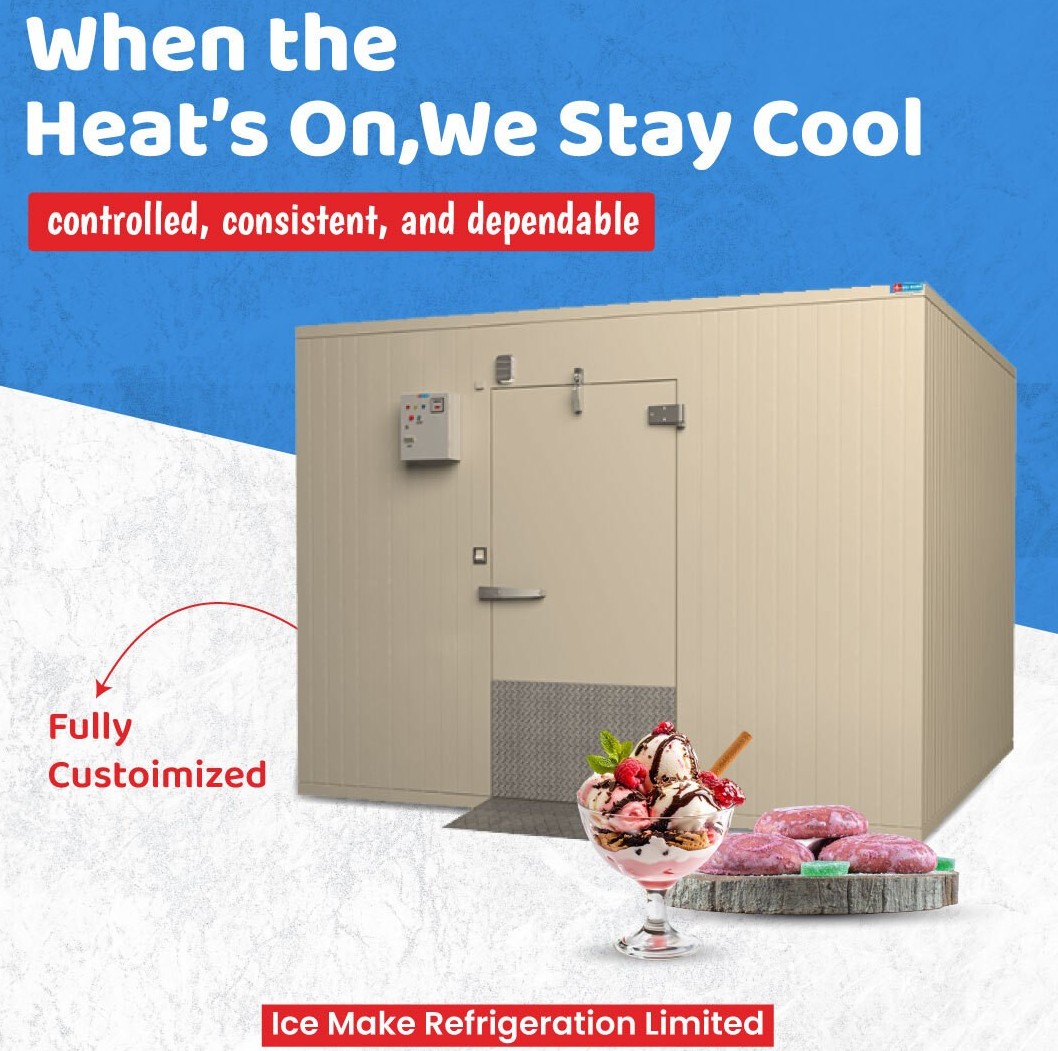
• Pre-chill at landing: A small ICEMAKE-based chiller room or glycol tank brings batch temperature down promptly.
• Hygienic pack: Clean tables, potable water, gloves, and quick movement minimize handling time.
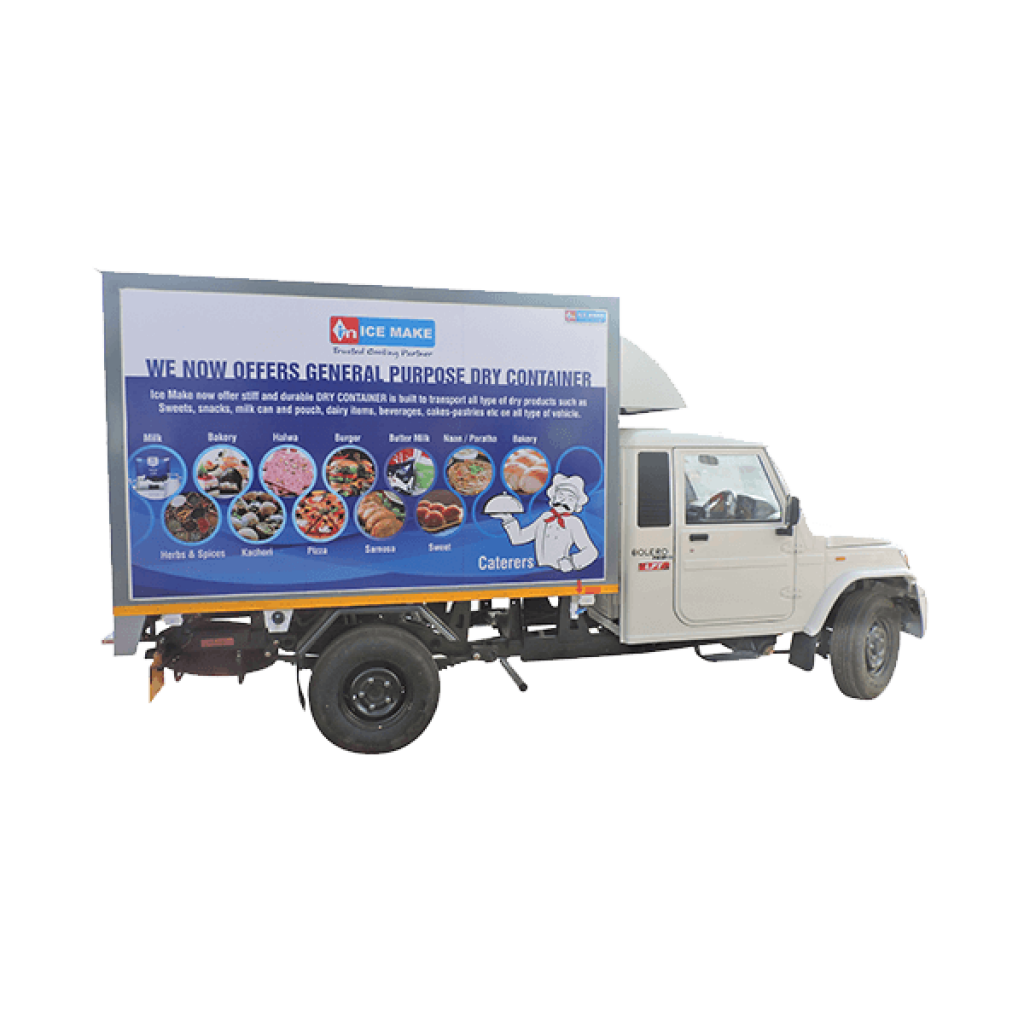
• Cold transport: Properly iced boxes in insulated vehicles or reefer carts; disciplined door openings.
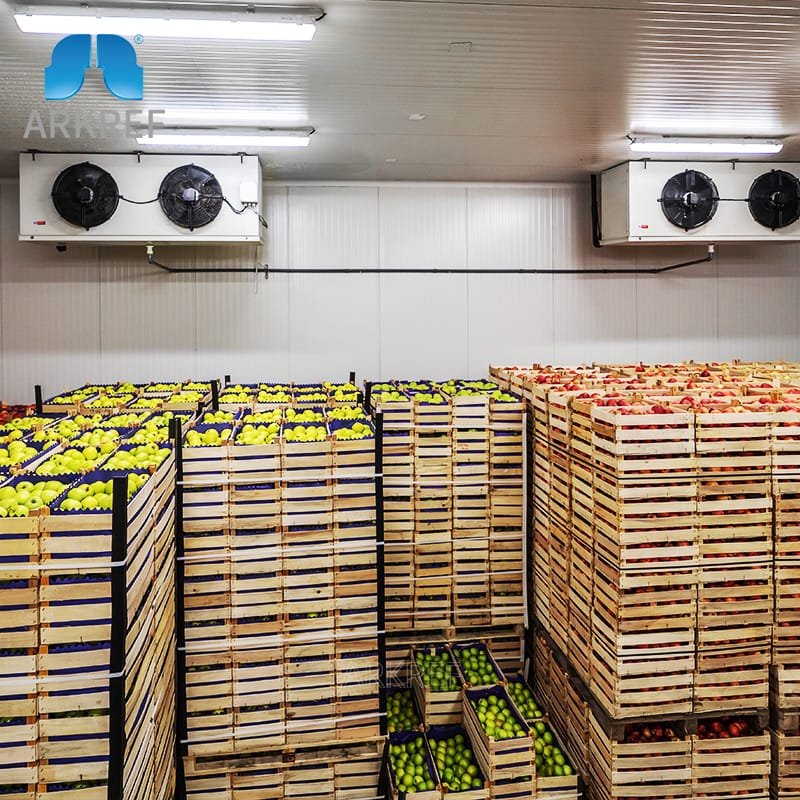
• Market storage: Short-hold chillers with drain discipline and door management; display with under-trays and frequent ice refresh.
Features & Advantages
• Texture and appearance hold better; fewer rejections.
• Predictable arrival temperatures despite rough routes.
• Simpler disputes thanks to short logs and visible routines.
• Cleaner floors from better drainage and meltwater control.
Nepal Use-Cases / Sectors
• Lake/river cooperatives supplying urban markets.
• Roadside landing depots with small pre-chill rooms.
• City wholesalers who re-ice and grade before dispatch.
• Retail & HoReCa receiving chilled fish on predictable schedules.
Operations & Best Practices
• Ice at source: Aim for full surface contact; avoid large sharp chunks; keep ice clean.
• Box discipline: Use lined, lidded, insulated boxes; drain meltwater; re-ice at planned intervals.
• Pre-chill flow: Land → quick rinse (potable) → pre-chill → pack → chill room; keep paths one-way.
• Room hygiene: Seal penetrations; slope floors; traps on drains; clean tables and tools between lots.
• Transport doors: Group unloading; don’t prop; re-ice at the vehicle if needed before market run.
• Market storage: Short holds, frequent re-ice, display with meltwater management; log open/close temps.
• Power hygiene: Stabilizers, phase protection, earthing; controller on UPS; test generator routine so logs continue.
Compliance & Quality
Fisheries cold chain SOPs support HACCP-style time–temperature control and DFTQC expectations for hygienic handling, drainage, and records. Short logs—landing temp, pre-chill time, market arrival temp, corrective note if off-spec—are credible and teachable.
Sustainability / Energy Considerations
• Flake ice efficiency improves with clean condensers and good water quality.
• Tight room envelopes and realistic setpoints reduce runtime.
• Door discipline at depots and markets curbs infiltration load.
• Insulated boxes save ice and protect product—small wins multiplied across trips.
Benefits / Outcomes (qualitative)
Calmer arrivals; fewer rejections; safer floors; faster turnover; better relationships with buyers.
Implementation with RM Agrotech × ICEMAKE
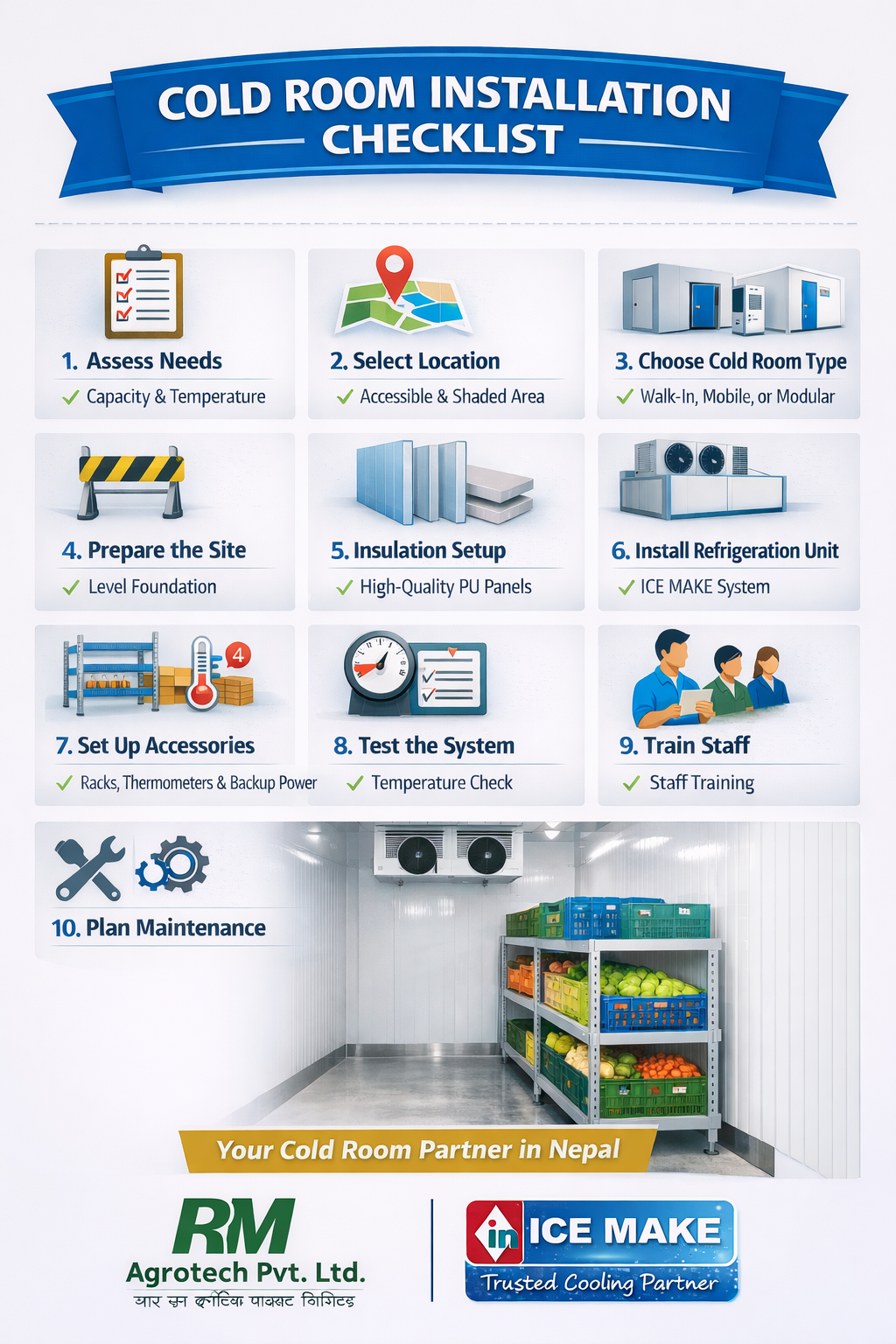
• Assess: Route lengths, landing volumes, ice availability, power, and water.
• Specify: ICEMAKE flake ice makers sized to landings; small pre-chill room or glycol bath; insulated boxes; drains and tables.
• Install & commission: Panels and drains sealed; condenser airflow clear; alarm duration filters; generator transfer tested.
• Train: Bilingual SOPs for icing, handling, pre-chill, packing, loading, and logs.
• Support: Spares for ice makers and chillers; early-life reviews; seasonal tune-ups.
Checklist
• Secure flake ice at catch and landing; keep it clean.
• Use insulated, lidded boxes with meltwater drains.
• Add a small pre-chill step at landing; design one-way flow.
• Install a short-hold chiller at depot/market with drain discipline.
• Protect power; put controllers on UPS; set alarm duration filters.
• Keep logs short: landing temp, pre-chill time, arrival temp, corrective note.
Call to Action
Want your fish to arrive with confidence—not apologies? RM Agrotech (authorized ICEMAKE partner in Nepal) designs and installs flake ice, pre-chill, and short-hold systems your team can run daily, backed by local service.
FAQ
Q1. Flake or slurry ice?
Flake is versatile and gentle; slurry can be excellent for certain species if hygiene and water quality are tightly controlled.
Q2. How much ice do we need?
It depends on catch temperature, species, route length, and box insulation. We’ll size the plant to real landings and travel time.
Q3. Our boxes leak—what to do?
Switch to insulated, food-grade boxes with proper lids and drains; keep them clean and intact.
Q4. What if power fails at the market?
Short-hold rooms stay stable with door discipline; controllers on UPS preserve logs; re-ice as needed and record actions.
Q5. Will these steps slow us down?
With one-way flow and training, handling is faster because everyone knows where to go and what to do.