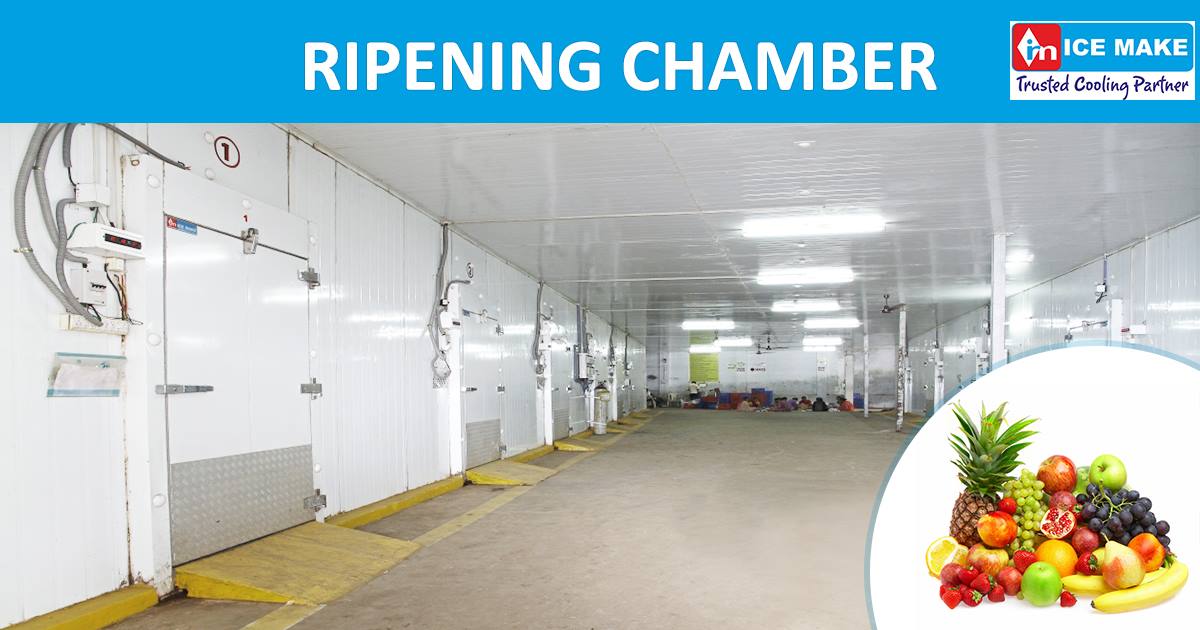
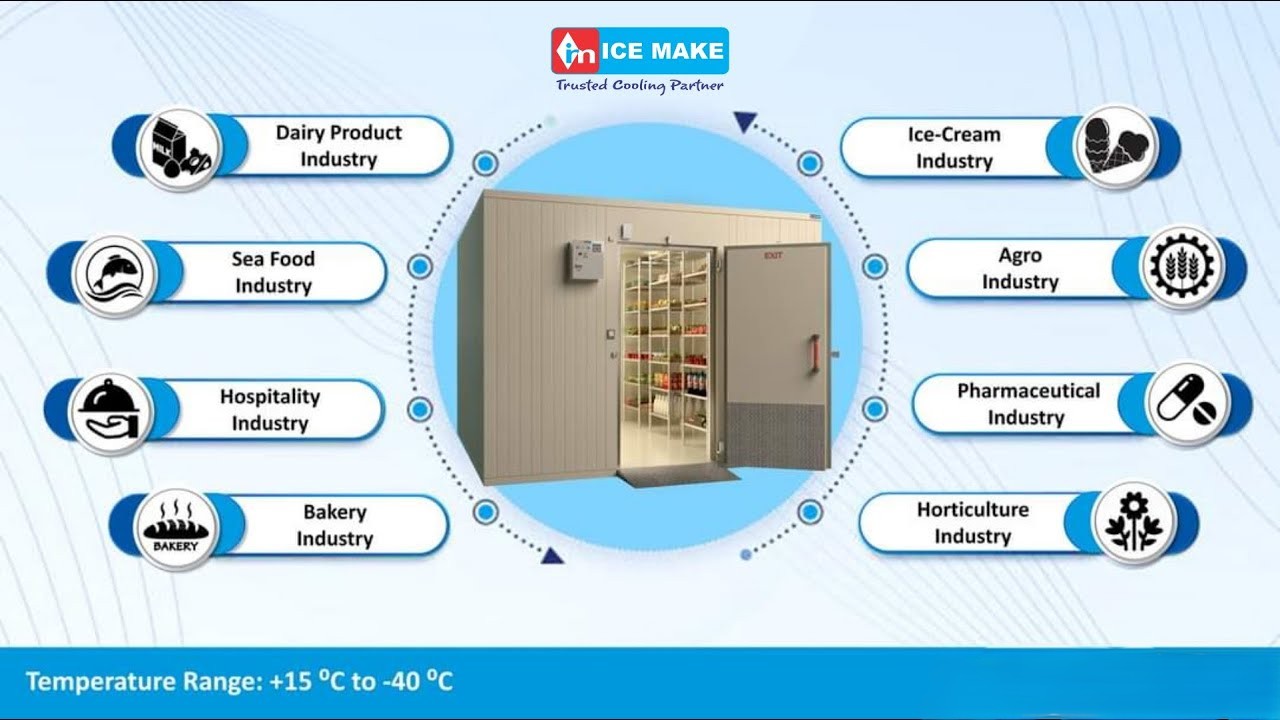
Nepal's refrigeration sector stands at a transformative crossroads, driven by the convergence of environmental imperatives, technological innovation, and economic opportunity. The nation's unique geographical diversity—spanning from the subtropical Terai plains at 60 meters to the towering Himalayas over 8,000 meters—creates distinct cooling challenges that traditional refrigeration systems struggle to address effectively.
Future of Refrigeration in Nepal: Sustainable, Smart, and Scalable
Transforming the Himalayan Nation's Cold Chain Through Innovation and Environmental Responsibility
Nepal stands at the threshold of a refrigeration revolution. As the nation's economy diversifies and urbanizes, the demand for efficient, sustainable cooling solutions has never been more critical. From the bustling markets of Kathmandu to the remote agricultural communities in the Terai, Nepal's refrigeration landscape is evolving toward a future that promises to be sustainable, smart, and infinitely scalable.
The Perfect Storm: Challenges Meet Opportunities
The refrigeration sector in Nepal faces a unique set of challenges that, paradoxically, create unprecedented opportunities for innovation. Power grid instability, environmental concerns, and the need for rural cold chain infrastructure have converged to drive demand for next-generation cooling technologies. Traditional refrigeration systems, heavily dependent on consistent electricity and often environmentally harmful, are giving way to revolutionary alternatives that align with Nepal's commitment to sustainable development.
Nepal's extraordinary geographical diversity—from the subtropical Terai plains at 60 meters above sea level to the towering Himalayas reaching over 8,000 meters—creates a complex tapestry of cooling needs. The hot, humid lowlands of the Terai require robust cooling solutions for agricultural produce and dairy products, while the temperate hill regions demand different approaches for food preservation and storage. The high-altitude mountain regions present unique challenges where traditional refrigeration systems struggle with extreme temperatures and limited infrastructure access.
This transformation isn't happening in isolation. Forward-thinking companies are already positioning themselves at the forefront of this change, recognizing that the future belongs to those who can deliver efficient, environmentally responsible cooling solutions that work reliably across Nepal's diverse geographical and climatic conditions—from the sweltering heat of Janakpur to the frigid peaks of the Everest region.
Ammonia-Based Systems: The Green Revolution in Commercial Cooling
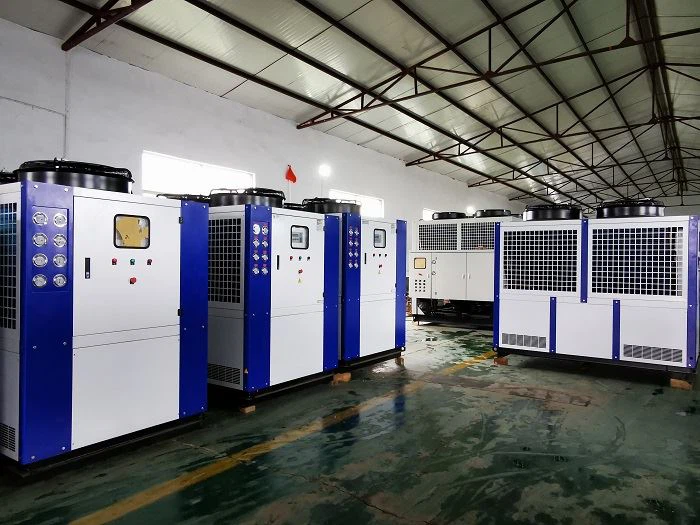
The ammonia-based refrigeration revolution represents one of the most significant technological shifts in Nepal's cooling industry. Unlike traditional synthetic refrigerants that contribute to ozone depletion and global warming, ammonia offers a natural, zero-ozone-depleting alternative that's both cost-effective and highly efficient.
These systems are particularly well-suited for Nepal's commercial and industrial applications. Large-scale cold storage facilities, food processing plants, and distribution centers are increasingly adopting ammonia-based solutions for their superior energy efficiency and lower environmental impact. The technology's scalability makes it ideal for everything from small-scale dairy operations in rural areas to massive cold storage complexes serving Nepal's growing export market.
Companies like ICE MAKE are at the vanguard of this ammonia revolution, understanding that sustainable refrigeration isn't just an environmental imperative—it's a business necessity. Their expertise in ammonia-based systems positions them perfectly to serve Nepal's evolving market, where efficiency and sustainability are no longer optional features but fundamental requirements.
Solar-Powered Refrigeration: Harnessing Nepal's Natural Advantage
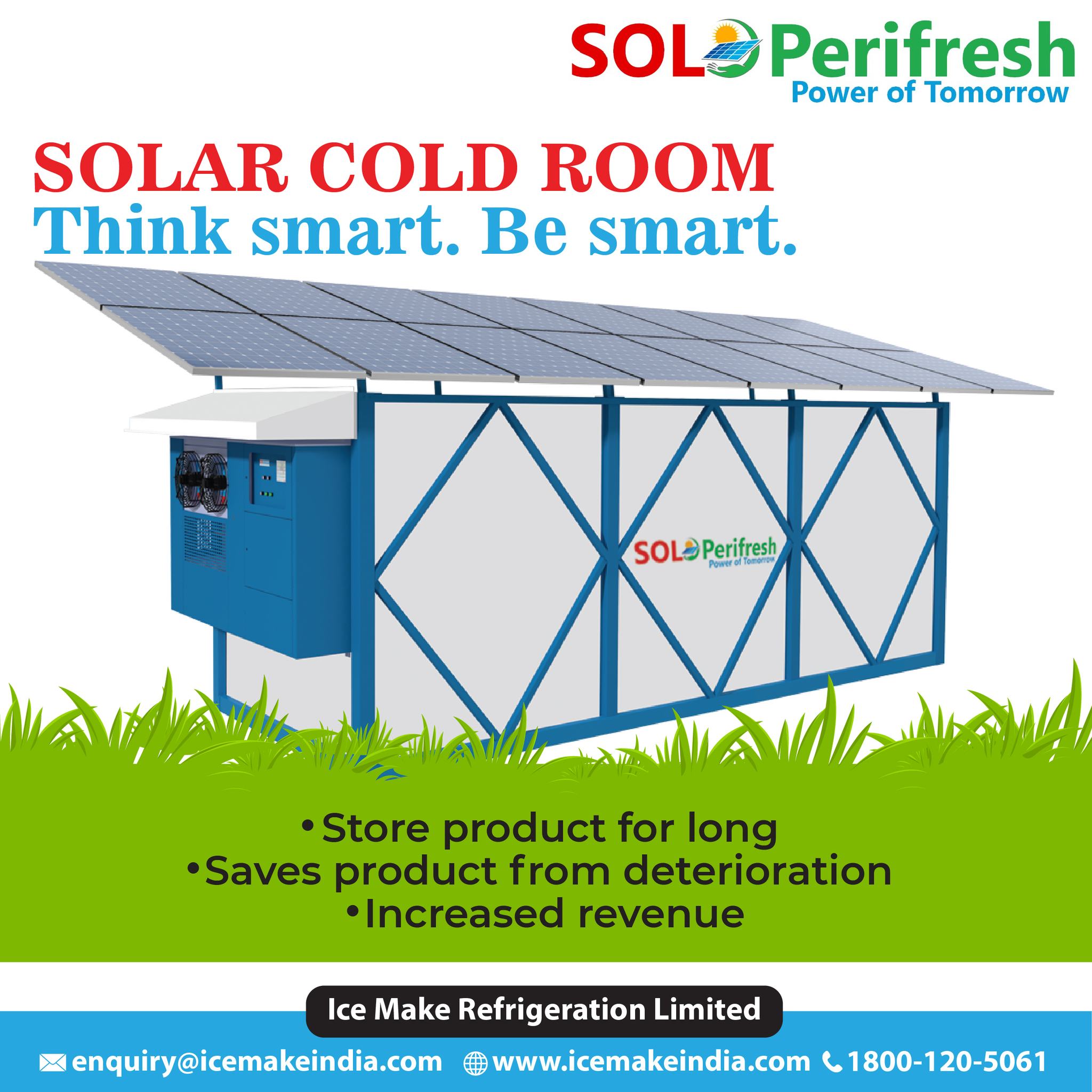
Nepal's abundant solar resources present an extraordinary opportunity for solar-powered refrigeration systems. With over 300 days of sunshine annually in many regions, solar refrigeration offers a solution that's both environmentally sound and economically viable, particularly for off-grid and rural applications.
The technology's adaptability to Nepal's diverse terrains makes it particularly revolutionary. In the Terai's agricultural heartland, solar refrigeration systems are enabling mango farmers in Nawalparasi and vegetable growers in Bara to preserve their harvests through peak summer temperatures. The Middle Hills, with their moderate climate and excellent solar exposure, are ideal for solar-powered dairy cooling systems that serve communities from Pokhara to Dhankuta. Even in the high-altitude regions, innovative solar solutions are being deployed to maintain vaccine cold chains in remote health posts and preserve yak cheese in traditional mountain communities.
Solar refrigeration technology has matured rapidly, with modern systems offering reliable operation even during cloudy periods through advanced battery storage and hybrid configurations. These systems are transforming agricultural supply chains across all three ecological zones, enabling farmers to store produce at optimal temperatures and extend shelf life, thereby reducing food waste and increasing income potential.
The technology's distributed nature makes it particularly attractive for Nepal's challenging terrain. Remote health clinics in the mountains can maintain vaccine cold chains, rural dairy cooperatives in the hills can preserve milk quality, and agricultural communities in the plains can add value to their produce through proper refrigeration—all without dependence on the central power grid that often struggles to reach Nepal's most remote communities.
Smart Refrigeration: IoT and AI Transform Cold Chain Management
The integration of Internet of Things (IoT) sensors and artificial intelligence is revolutionizing how refrigeration systems operate and are managed. Smart refrigeration systems can predict maintenance needs, optimize energy consumption, and provide real-time monitoring of temperature and humidity conditions across entire cold chain networks.
These intelligent systems are particularly valuable in Nepal's context, where supply chains often span three distinct ecological zones and challenging geographical distances. A single cold chain might transport produce from the tropical Terai through the temperate hills to the high-altitude markets of the mountains, each segment requiring different temperature and humidity controls. Real-time monitoring ensures product quality from the rice fields of Jhapa to the apple orchards of Mustang, while predictive analytics minimize costly equipment failures and reduce energy waste across varying altitudes and climate conditions.
The technology also enables remote management, allowing operators to monitor and control refrigeration systems across multiple locations—from a cold storage facility in Birgunj to a mountain dairy cooperative in Langtang—from a central dashboard. This connectivity is crucial for Nepal's scattered population centers and remote communities that were previously difficult to serve with consistent cold chain management.
The trend toward smart refrigeration is creating new possibilities for service providers and equipment suppliers. Companies that can offer integrated solutions—combining hardware, software, and ongoing support—will capture the greatest value in this evolving market, especially those that understand the unique challenges of operating across Nepal's diverse terrain.
Strategic Partnerships: The RM Agrotech Advantage
The success of Nepal's refrigeration transformation depends heavily on strategic partnerships between innovative companies and reliable suppliers. RM Agrotech's role as a key supplier in Nepal's refrigeration ecosystem exemplifies how strong supply chain relationships enable the deployment of cutting-edge technologies.
RM Agrotech's deep understanding of Nepal's market dynamics, regulatory environment, and customer needs makes them an invaluable partner for companies looking to scale their operations. Their established distribution networks and local expertise bridge the gap between innovative refrigeration technologies and end-users, ensuring that advanced solutions reach the communities and businesses that need them most.
This partnership model—where technology innovators work closely with experienced local suppliers—is becoming the standard for successful market penetration in Nepal's refrigeration sector. It combines global expertise with local knowledge, creating solutions that are both technically advanced and culturally appropriate.
Economic Impact: Beyond Cooling
The shift toward sustainable, smart refrigeration systems is creating ripple effects throughout Nepal's economy across all geographical regions. In the Terai, improved cold chain infrastructure is enabling agricultural diversification, supporting food security initiatives, and creating new employment opportunities in rural areas. The technology sector is benefiting from increased demand for IoT solutions and smart monitoring systems, while the renewable energy sector gains from growing solar refrigeration adoption.
The Middle Hills are experiencing a renaissance in traditional agriculture and dairy farming, with modern refrigeration enabling farmers to reach urban markets in Kathmandu and Pokhara with fresh, high-quality products. Mountain communities are discovering new economic opportunities through the preservation of traditional products like yak cheese and high-altitude medicinal herbs, which can now be stored and transported to premium markets while maintaining their quality and value.
Investment in modern refrigeration infrastructure is also attracting international attention. Development agencies and impact investors are increasingly focusing on cold chain solutions as a means of supporting economic development and reducing food waste in emerging markets like Nepal. The unique challenge of serving Nepal's diverse terrain is driving innovation that has applications far beyond the Himalayan nation, creating expertise that can be exported to other mountainous and geographically diverse countries.
The Path Forward: Scaling Innovation
Looking ahead, Nepal's refrigeration future will be shaped by several key trends. Modular systems that can be easily scaled up or down will become increasingly popular, allowing businesses to adjust their cooling capacity as needs change. Integration with renewable energy sources will become standard, not optional. And smart features will evolve from nice-to-have additions to essential components of any serious refrigeration installation.
The companies that succeed in this environment will be those that can deliver integrated solutions addressing multiple customer needs simultaneously. ICE MAKE's focus on ammonia-based systems positions them well for the commercial and industrial segments, while their potential expansion into solar and smart technologies could create a comprehensive solution portfolio.
Conclusion: A Cool Future for Nepal
Nepal's refrigeration sector is undergoing a fundamental transformation driven by sustainability imperatives, technological innovation, and economic opportunity. The convergence of ammonia-based systems, solar power, and smart technology is creating possibilities that were unimaginable just a few years ago.
The success of this transformation depends on continued collaboration between technology providers, suppliers, and end-users. Companies like ICE MAKE and RM Agrotech are showing how innovative partnerships can accelerate the adoption of sustainable refrigeration solutions, creating value for businesses while supporting Nepal's broader development goals.
As Nepal moves toward a future where refrigeration is sustainable, smart, and scalable, the opportunities for growth and innovation are limitless. The cool revolution is just beginning, and Nepal is perfectly positioned to lead the way in sustainable refrigeration solutions for the developing world.
The future of refrigeration in Nepal isn't just about keeping things cold—it's about creating a foundation for sustainable economic growth, environmental stewardship, and technological advancement that will benefit generations to come.