Heat Pump Food Dehydrator for Nepal: Consistent Quality, Lower Energy
05 Sep, 2025
Updated on: 05 Sep, 2025
A heat pump food dehydrator—manufactured by Ice Make India and delivered locally by R M Agrotech—gives Nepal’s processors reliable, year-round, energy-efficient dehydration with low-temperature drying (≈30–75 °C) and a closed-loop, dehumidified airflow that protects color, aroma, and nutrient retention while cutting kWh versus conventional hot-air systems. Compared with sun-drying, you get hygienic, weather-proof consistency; versus hot-air, you dry gently with better quality and fewer rejects. It’s ideal for fruits (apple, lapsi, mango), vegetables (tomato, mushroom), herbs/spices (turmeric, ginger, chili), tea/botanicals, jerky (with safe pre-treatments), and seeds/nuts. The economics improve through lower energy per kg of water removed, reduced wastage, premium pricing for superior appearance/aroma, and all-weather throughput. R M Agrotech handles sizing, installation, commissioning, operator training, and service across Nepal—so you can pilot your product, get real kWh/batch numbers, and map payback confidently. Ready to upgrade food dehydration in Nepal? Book a sizing consult or demo with R M Agrotech today.
Heat Pump Food Dehydrator for Nepal: Consistent Quality, Lower Energy
Premium dehydration results with energy‑smart technology—supported locally by R M Agrotech.
Monsoon clouds roll over Chitwan and yesterday’s turmeric slices are still soft on the rooftop tarpaulin. In Mustang, a farmer stares at apple rings that browned overnight. Across Nepal, processors wrestle with the same headache—humidity, unpredictable sun, insects, dust, and batches that come out different every time. If your shelf life and margins depend on the dry weight, you need a method that works every day of the year, not only when the sun behaves. That’s where a heat pump food dehydrator—manufactured by Ice Make India and delivered and supported in Nepal by R M Agrotech—earns its keep.
What is a Heat Pump Food Dehydrator?
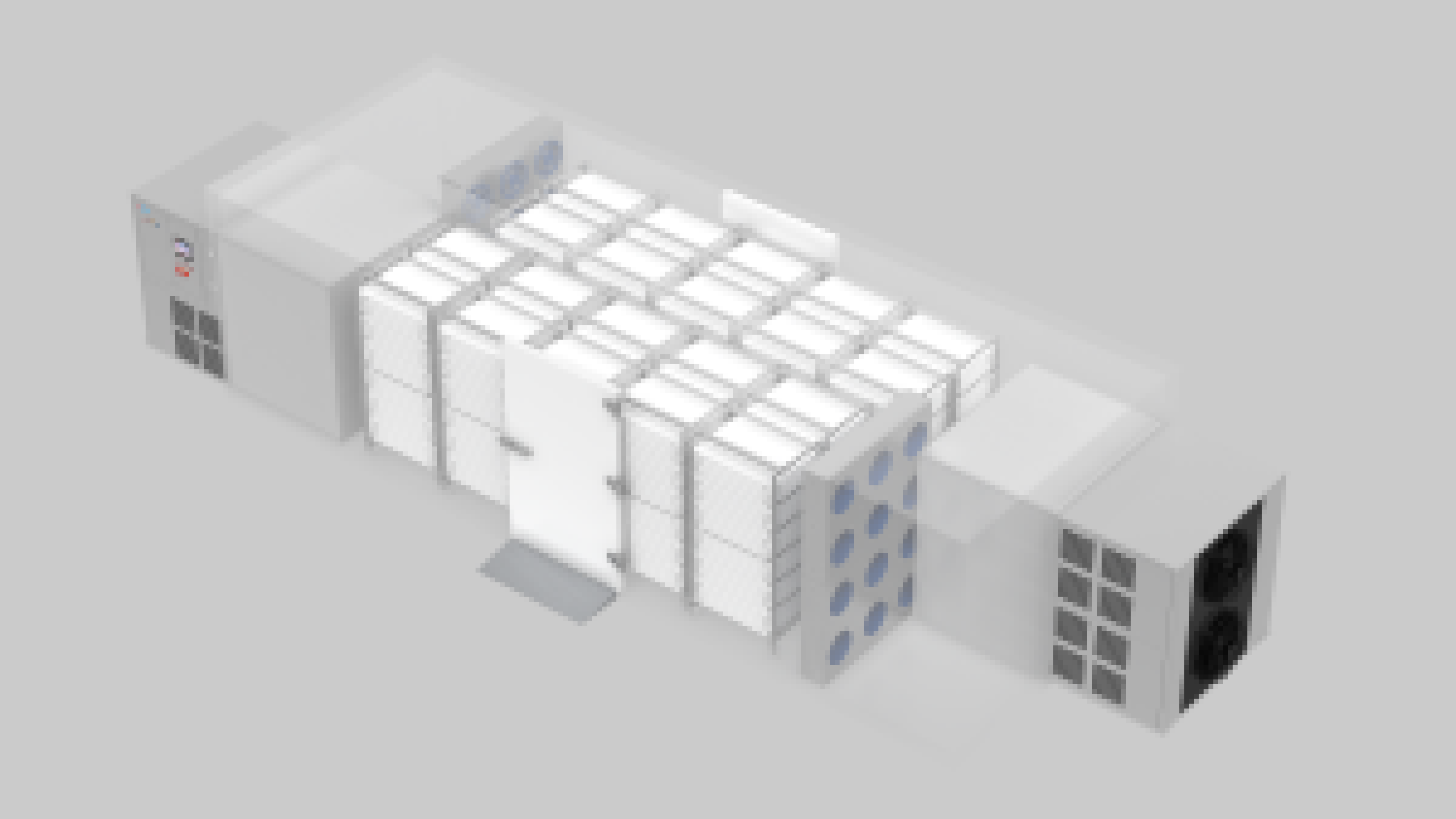
A heat pump food dehydrator is a closed‑loop drying system that recirculates air through a drying chamber while precisely controlling temperature and humidity. Instead of blasting products with hot, wet air and exhausting that heat outside, the heat pump captures and reuses heat, and a built‑in dehumidifier pulls moisture from the airstream. Result: low‑temperature drying that protects color, aroma, and nutrients—batch after batch.
Simple diagram in words: warm, dry air → food trays → air absorbs moisture → dehumidifier wrings it out → air is reheated → repeat.
Why low temperature matters
Better color and aroma: gentle 30–60 °C settings help keep natural pigments and volatiles intact.
Tea & botanicals: aroma‑sensitive leaves and blends
Dairy snacks: innovative shelf‑stable snacks (process suitability to be validated)
Meat/jerky: controlled low‑temp drying with hygienic airflow (use safe pre‑treatments)
Seeds & nuts: conditioning to target moisture specs
Mini‑stories from the field
• Turmeric in Chitwan: A small processor switched from sun‑drying to a heat pump unit. Typical runs at 45–55 °C cut drying time by ~30–50% compared with open air and delivered brighter, more uniform powder with stronger aroma. Two batches per day—even in monsoon. (Example range.)
• Apples in Mustang: A farmer cooperative converted grade‑outs into premium dried slices. Running at 50–60 °C with low RH yielded clean, light‑colored chips and better rehydration for bakery buyers—supporting a price uplift versus sun‑dried chips. (Illustrative outcome.)
Economics & ROI—how the numbers add up
Operating cost logic: heat pumps move heat instead of generating it directly; the closed loop recovers warmth while the dehumidifier removes moisture. You pay for compressor and fan kWh, but you avoid the waste of exhausting hot, wet air. Savings show up as lower energy per kg of water removed, fewer rejects, premium pricing for color/aroma, and all‑weather throughput.
A quick ROI sketch (swap your numbers)
CAPEX: NPR X for the dehydrator
Electricity tariff:Y NPR/kWh
Typical batch:A kg fresh at B% moisture → C% target moisture
Batches/day:D; Days/month:E
Energy per batch:G kWh (varies by product & moisture to remove)
Selling price uplift:+F% (thanks to better color/appearance)
Monthly energy cost: G × D × E × Y
Payback (months): CAPEX ÷ (monthly net gain) where monthly net gain ≈ (monthly revenue uplift) − (monthly energy cost)
Worked example (illustrative, not a quote)
Let’s say you’re upgrading from sun-drying to a heat-pump unit for apple chips.
CAPEX (X): NPR 1,800,000 (small commercial unit)
Tariff (Y):15 NPR/kWh
Batch size (A):100 kg fresh apples
Start moisture (B):80%, target moisture (C):10%
Throughput:D = 2 batches/day, E = 26 days/month
Energy per batch (G):~78 kWh (≈ 1 kWh per kg of water removed; apples here shed ~78 kg of water)
Base selling price:NPR 1,000/kg sun-dried
Quality uplift (F):+15% with heat-pump drying → NPR 1,150/kg
Step-by-step math
Final dried weight per batch Fresh solids = 100 kg × (1 − 0.80) = 20 kg At 10% moisture, dried weight = solids / 0.90 = 22.22 kg
Monthly net gain (simple view) 173,333 − 60,667 = NPR 112,667
Payback 1,800,000 ÷ 112,667 ≈ 16 months
Result: even with conservative assumptions, payback is ≈16 months. Faster if you: • run more batches, • get a higher price premium, or • reduce rejects/contamination (common with open-air drying).
Notes: Numbers above are examples only. Actual energy per batch depends on product, slice thickness, loading, airflow, and your site conditions. Your dealer can run a sizing/energy estimate for your products and tariff.
Specs at a glance (to be confirmed with Ice Make)
Parameter
Typical/Example
Notes
Model range
HPD0020 to HPD2000
Small to industrial, multi‑trolley
Capacity per batch
20 kg to 2000+ kg (fresh)
Depends on product & loading density
Temperature range
30–75 °C
Low‑temperature drying for quality
Relative humidity
Set low (often <25%)
For faster, gentler drying
Dehumidification capacity
Model‑dependent (e.g., L/h figures)
Engineering sheet available
Controls
PLC/HMI; mobile monitoring
Digital setpoints and logging
Build
Enclosed, food‑grade construction
Easy to clean, hygienic airflow
Power supply
1‑phase/3‑phase (model‑dependent)
Sizing during site survey
Note: Exact model specs, tray counts, usable tray area, footprint, and warranty will be confirmed from Ice Make India’s official documentation for your selected configuration.
Quality & compliance
Hygienic, enclosed airflow path reduces contamination risk versus open‑air sun‑drying.
Easy‑to‑clean trays and chamber support HACCP/GMP programs.
Digital logs help standardize batch records for audits.
Installation & support in Nepal
Site assessment & sizing (electrical load, room layout, product mix).
Model selection & order coordination with the OEM (Ice Make India).
Delivery & commissioning (test batches and parameter tuning).
Operator training (loading patterns, setpoints, quality checks).
After‑sales service (spares, preventive maintenance, remote support).
FAQs
How much energy does it use compared to hot‑air dryers?
It varies by product and moisture load, but heat‑pump drying typically uses less energy because the system recovers heat and runs at gentler temperatures. We’ll estimate kWh per batch during your sizing consult.
Will low temperature really protect nutrients and aroma?
Yes—gentle temperatures and low humidity help retain color and volatiles, which is why heat‑pump drying is popular for herbs, teas, spices, fruits, and premium ingredients.
What temperatures are typical?
Herbs often prefer ~35–50 °C; many fruits and vegetables dry well around 50–60 °C. The Ice Make system allows 30–75 °C so you can tailor setpoints to each product.
How long will drying take?
It depends on slice thickness, loading, airflow, and target moisture. As a rule of thumb, expect ~30–50% faster turnaround than passive air or sun‑drying in humid seasons (example range). We’ll confirm during trials.
Can I run it on solar or with backup power?
Yes. Many clients pair electric heat‑pump systems with solar PV + battery or generator backup. We’ll size the system with your EPC partner.
What about cleaning and hygiene?
The enclosed chamber minimizes contamination risk versus open‑air methods and aligns better with HACCP programs. We provide SOPs for cleaning and logs.
Warranty & service?
Warranty depends on the selected model and will be confirmed with the OEM. Service and spares are handled locally by R M Agrotech.
Ready for a pilot run or demo?
Book a quick sizing consult with R M Agrotech—Ice Make India’s authorized partner in Nepal. We’ll map your product, run a pilot, and put real numbers on energy, time, and ROI. Contact: rmagrotech.com.np/contact (or message us to schedule a site visit—dhanyabad!)
TL;DR
Heat pump food dehydrator = low‑temperature, low‑humidity, closed‑loop drying for premium color, aroma, and shelf life.
Ice Make India provides the technology; R M Agrotech delivers local sizing, install, and service across Nepal.
Expect more consistency than sun‑drying and lower energy than high‑heat hot‑air systems (product‑dependent).
Great fit for fruits, herbs/spices, tea, mushrooms, jerky, seeds/nuts—especially in monsoon humidity.
Next step: book a consult or demo via rmagrotech.com.np/contact.
Publisher: R M Agrotech (Nepal) • OEM: Ice Make India (Dry Make brand) • This post focuses on essentials for publication; detailed specs/warranty will be confirmed during sizing.