: How RM Agrotech cold rooms cut wastage and keep produce market‑ready across Nepal
How Cold Storage Prevents Post‑Harvest Losses and Boosts Farmer Profits
Stop losing crop quality to heat—lock in freshness with RM Agrotech cold rooms.
#ColdChain #NepalAgri
Introduction: Why Post‑Harvest Losses Persist:
Every season, farmers in Nepal watch good produce degrade before it crosses the market gate. Heat accelerates respiration, rough handling bruises tissue, and long routes raise temperatures at the worst moment.
Cold storage slows the biology and gives time back. Paired with good handling, it keeps color, firmness, and taste intact so produce arrives as intended.
RM Agrotech Product Line for Cold Rooms:
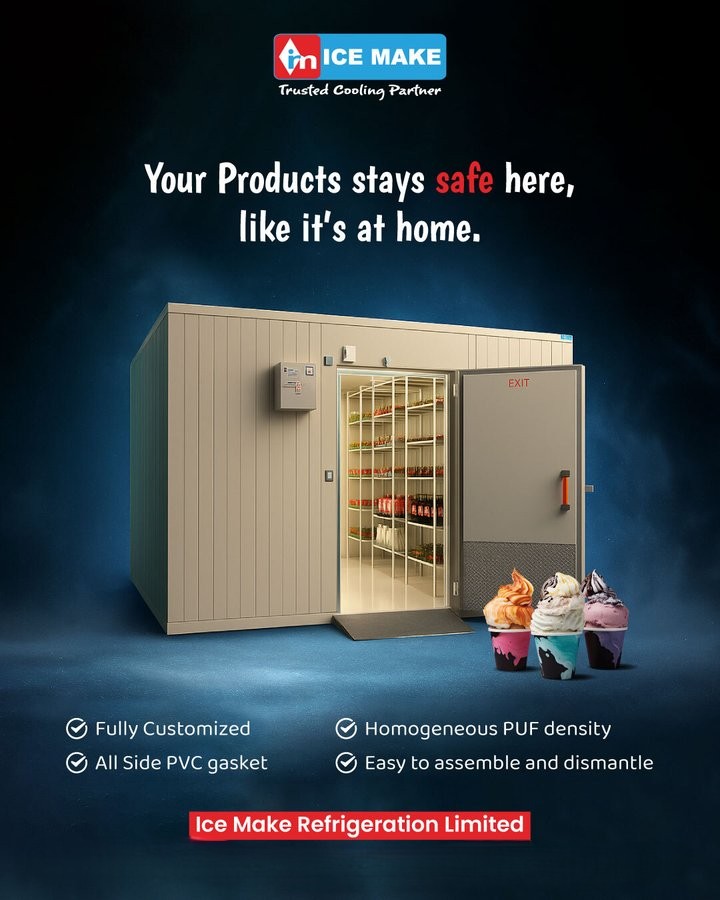
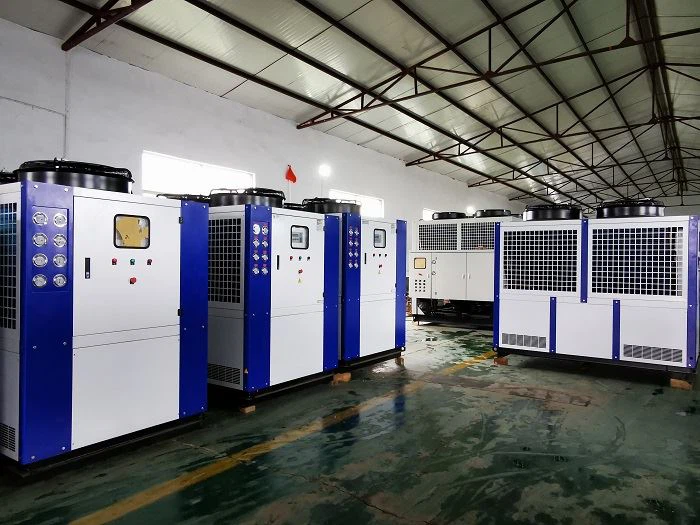
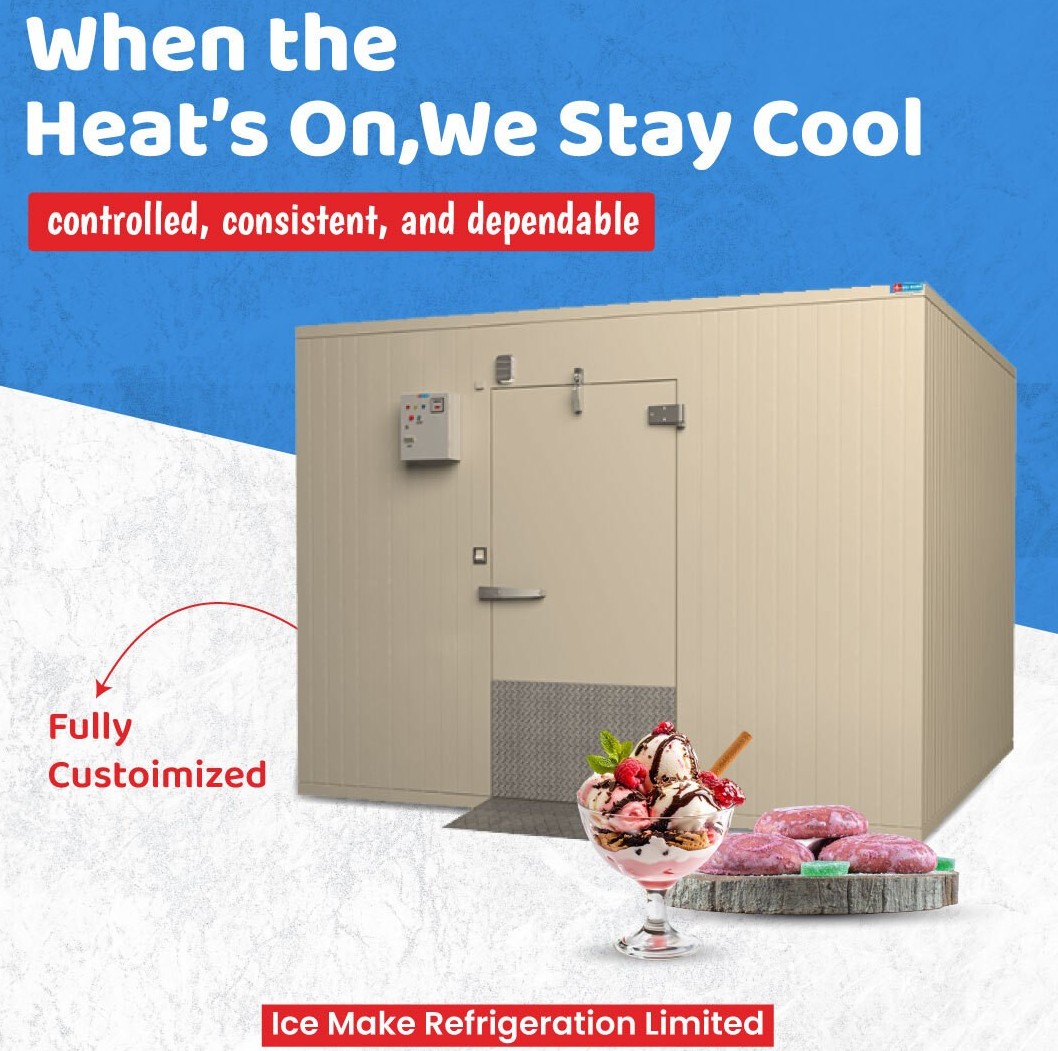
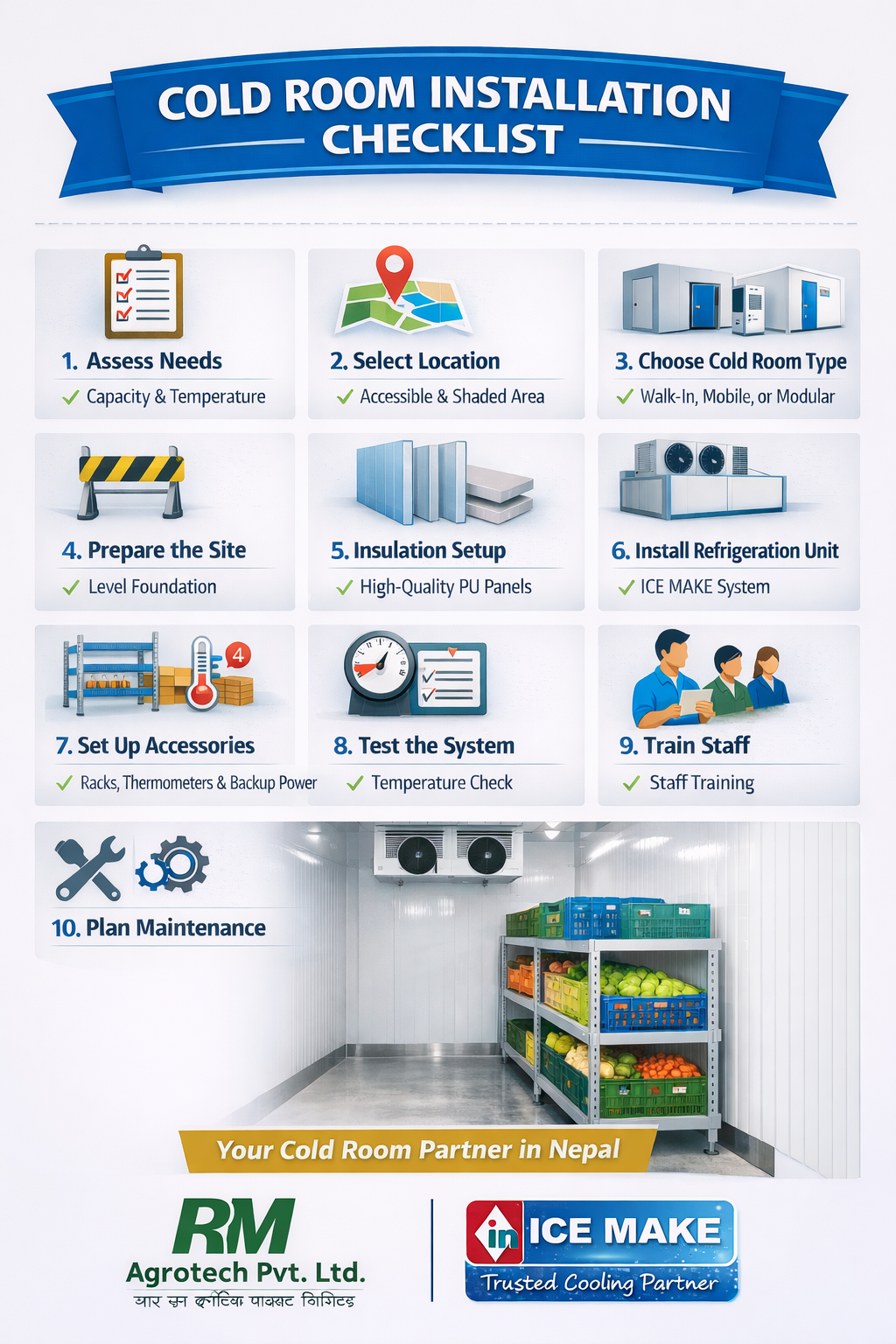
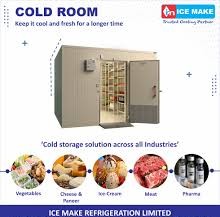
RM Agrotech supplies modular cold rooms, forced‑air pre‑coolers, racking, and control panels designed for cooperative use and district hubs.
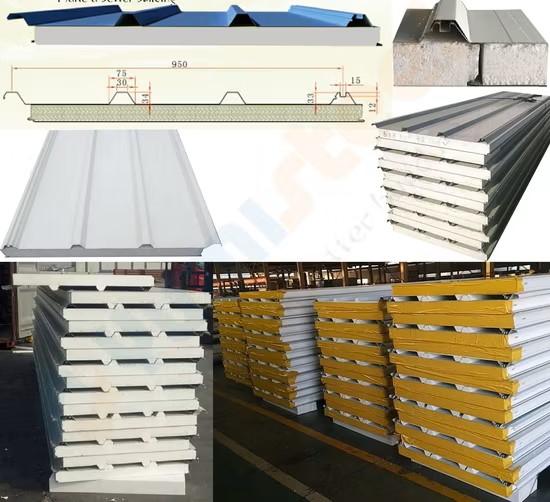
- Modular insulated panels with tight joints and vapor barriers.
- Energy‑efficient condensing units and EC evaporator fans.
- Data‑logging, alarms, and simple operator dashboards.
- Options for solar‑hybrid and ice‑bank thermal storage.
Technology Basics in Plain Language:
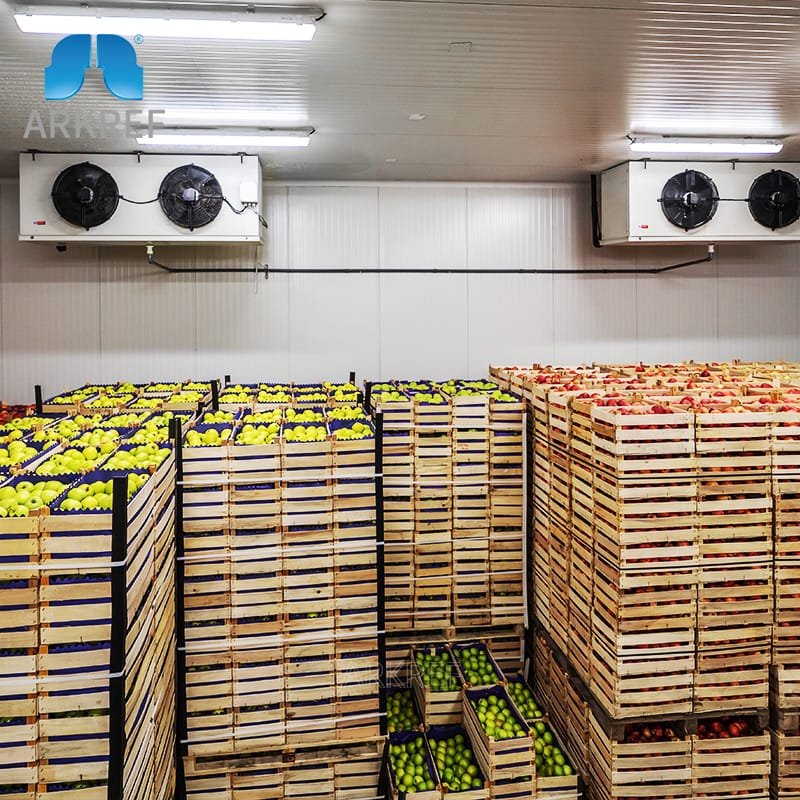
Lower temperature slows respiration and microbial growth; stable humidity prevents wilting. Air must move evenly through vented crates so pulp temperature equalizes quickly.
Design & Layout:
- Choose a site with drainage, shade for condensers, and truck access.
- Plan clear aisles; avoid solid walls of produce.
- Add strip curtains and an airlock where traffic is heavy.
- Provide washable finishes and sloped floors to drains.
Operating SOPs:
- Harvest cool, pre‑cool fast, log temperatures morning/evening.
- Door discipline—batch loading, doors closed between runs.
- Clean crates and floors; remove decays the moment you see them.
- Calibrate sensors monthly; replace weak gaskets.
Humidity & Ethylene Control:
Aim for high RH for leafy greens and cooler temperatures for temperate crops. Keep ethylene emitters (bananas) away from sensitive greens; consider scrubbers if flows demand.
Troubleshooting & Maintenance:
- Uneven cooling → re‑stack for airflow and check fan direction.
- Frost build‑up → review defrost cycles and door open time.
- Wet floors → check drain slopes and door seals.
- Rising energy use → clean coils, check refrigerant charge.
Bottom line
A disciplined cold room turns harvest stress into schedule control. RM Agrotech builds the room and trains your team to keep it steady season after season.
Frequently Asked Questions (FAQ)
What’s the difference between pre‑cooling and cold storage?:
Pre‑cooling removes field heat quickly right after harvest so produce doesn’t ‘cook’ in its own heat. Cold storage then holds the crop at a steady temperature and humidity for days or weeks.
Which crops can share the same room?:
Group by temperature tolerance and ethylene behavior. Leafy greens prefer 0–2 °C and high RH, apples 0–4 °C, while bananas and tomatoes need 12–14 °C. Keep ethylene emitters away from sensitive greens.
How do I size a room for my cooperative?:
Add up daily intake, expected hold time, and peak week volumes, then add 15–20% buffer. Plan racking and aisle space for airflow—usable capacity matters more than raw volume.
Do I need backup power?:
Yes. Even short outages can cause temperature rise. Options include solar‑hybrid systems, generators, or thermal storage (ice‑bank). Choose based on your outage pattern and budget.
How often should I clean and sanitize?:
Sweep daily, wash floors weekly, and deep‑clean evaporators, drains, and door gaskets monthly. Remove decaying material immediately.
What’s the right humidity level?:
Leafy greens and many vegetables prefer 90–95% RH; spices and dried goods need much lower RH. Match RH to the commodity and avoid condensation.
Crates or sacks—what’s better?:
Use ventilated, food‑grade crates. Sacks restrict airflow, cause pressure damage, and make cooling uneven.
How do I control odors and off‑flavors?:
keep airflow, keep rooms clean, separate strong‑smelling items, and avoid storing chemicals near produce.
Looking to design, install, or upgrade a reliable cold-chain system in Nepal? Talk to RM Agrotech for site assessment, right-sizing, and end-to-end support.