RM Agrotech milk chilling solutions protect flavor and safety from village collection to the plant.
Milk Chilling Systems: Ensuring Quality from Farm to Dairy Plant
Chill it right, every time—RM Agrotech dairy solutions.
#Dairy #Chilling
Introduction: Freshness is a Race Against Time:
Milk quality moves at the speed of temperature. In warm hours and long routes, the clock runs faster. Chilling gives dairies control, making quality predictable and the product safe.
RM Agrotech Product Line for Dairy:
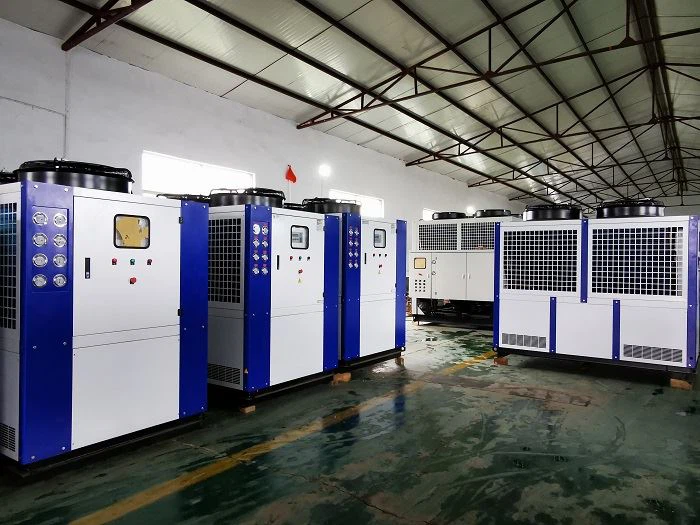
- Bulk Milk Coolers (BMCs) with gentle agitation and automatic control.
- Ice‑Bank Tanks (IBTs) for outage‑prone grids.
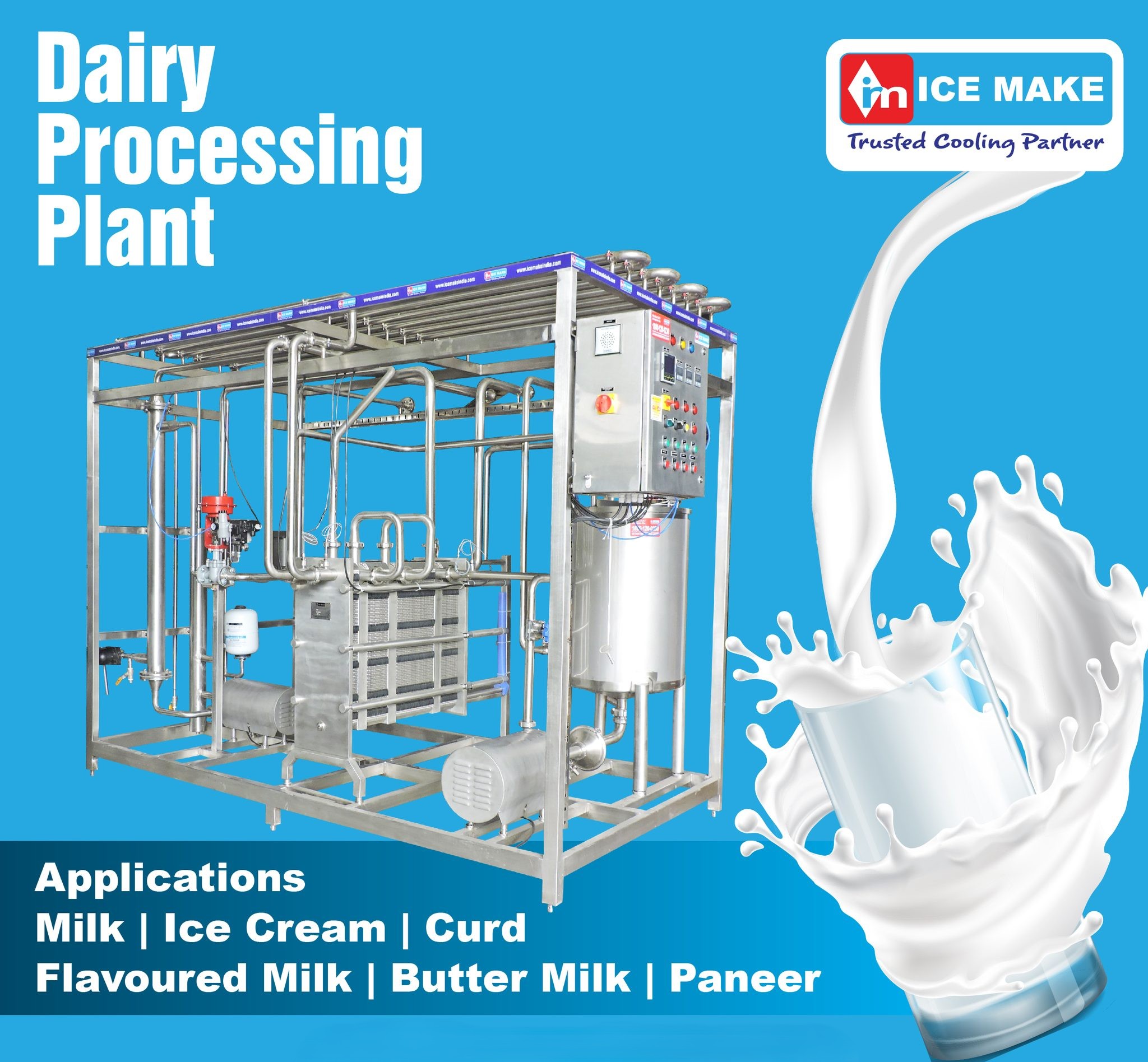
- Instant chillers/plate heat exchangers for can routes.
- Solar‑hybrid power integration and temperature logging.
Chilling Basics & Hygiene:
Cool to ≤4 °C quickly; keep lids closed; sanitize valves and gaskets; avoid repeated warming and re‑cooling cycles.
Layout & Utilities:
- Provide a washable bay, drainage, and hot water for CIP.
- Ventilate condenser areas; keep coils clean.
- Leave service access around tanks and controls.
SOPs for Cooperatives:
- Filter at intake; record intake temperature.
- Daily CIP with logs; monthly calibration checks.
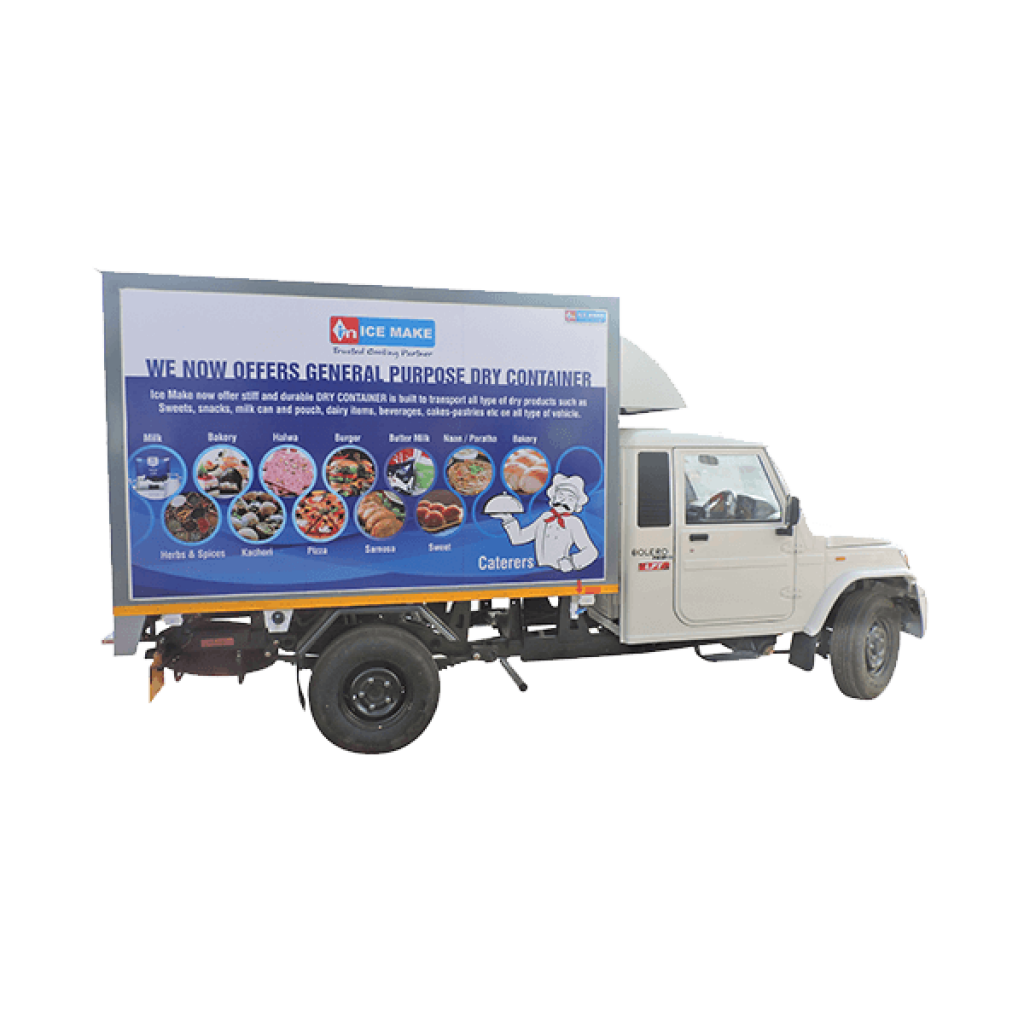
- Use insulated cans and pre‑conditioned vehicles for dispatch.
Troubleshooting:
- Foam in tank → agitation too strong; reduce speed.
- Ice on coils → review defrost and ambient ventilation.
- Sour notes → hygiene lapse or warm spike; review logs.
Bottom line
Consistency is the goal. RM Agrotech equipment and routines help co‑ops deliver the same clean profile every day.
Frequently Asked Questions (FAQ)
How fast should milk be chilled?:
Aim to reach ≤4 °C within a few hours after milking. Faster is better—especially on long routes.
BMC or Ice‑Bank Tank—how do I choose?:
Stable power and short routes suit BMCs; frequent outages call for IBTs that build ice during power windows.
What if power cuts mid‑collection?:
Use IBTs or solar‑hybrid systems so cooling continues. Keep lids closed and avoid temperature cycling.
How often should we clean tanks?:
Daily CIP with detergent and hot water, thorough rinse, and a cleaning log.
Do we need agitation?:
Gentle agitation keeps temperature uniform and prevents fat separation without foaming.
How do we handle can‑based routes?:
Use instant chillers or plate heat exchangers at cluster points, and insulated cans for transport.
What should we log?:
Intake temperature, chilling time, storage temperature, and dispatch temperature; calibrate thermometers monthly.
Is water quality important?:
Yes. Clean water prevents residue and contamination during CIP and cooling.
Looking to design, install, or upgrade a reliable cold-chain system in Nepal? Talk to RM Agrotech for site assessment, right-sizing, and end-to-end support.