Explore how RM Agrotech and ICEMAKE are transforming Nepal’s food and hospitality industries with modular cold rooms — flexible, energy‑efficient, and built for long‑term reliability.
Modular Cold Rooms — Scalable Cooling Solutions for Nepal’s Food Businesses
Introduction
Cold rooms are the invisible backbone of Nepal’s modern food economy. From restaurants and hotels to dairy processors and pharmaceutical distributors, temperature control is the difference between profit and loss, compliance and risk, quality and waste. As consumer expectations rise and supply chains lengthen, Nepalese businesses need cold storage that is reliable, hygienic, and scalable without the complexity of conventional construction.
That is precisely why RM Agrotech, working with ICEMAKE Refrigeration, delivers modular cold rooms: pre‑engineered, panel‑based systems that assemble quickly, expand easily, and operate efficiently in Nepal’s diverse climates and power conditions. This long‑form guide explains how modular cold rooms work, where they add the most value, and how RM Agrotech supports each step — from design and installation to training and after‑sales service.
What Is a Modular Cold Room?
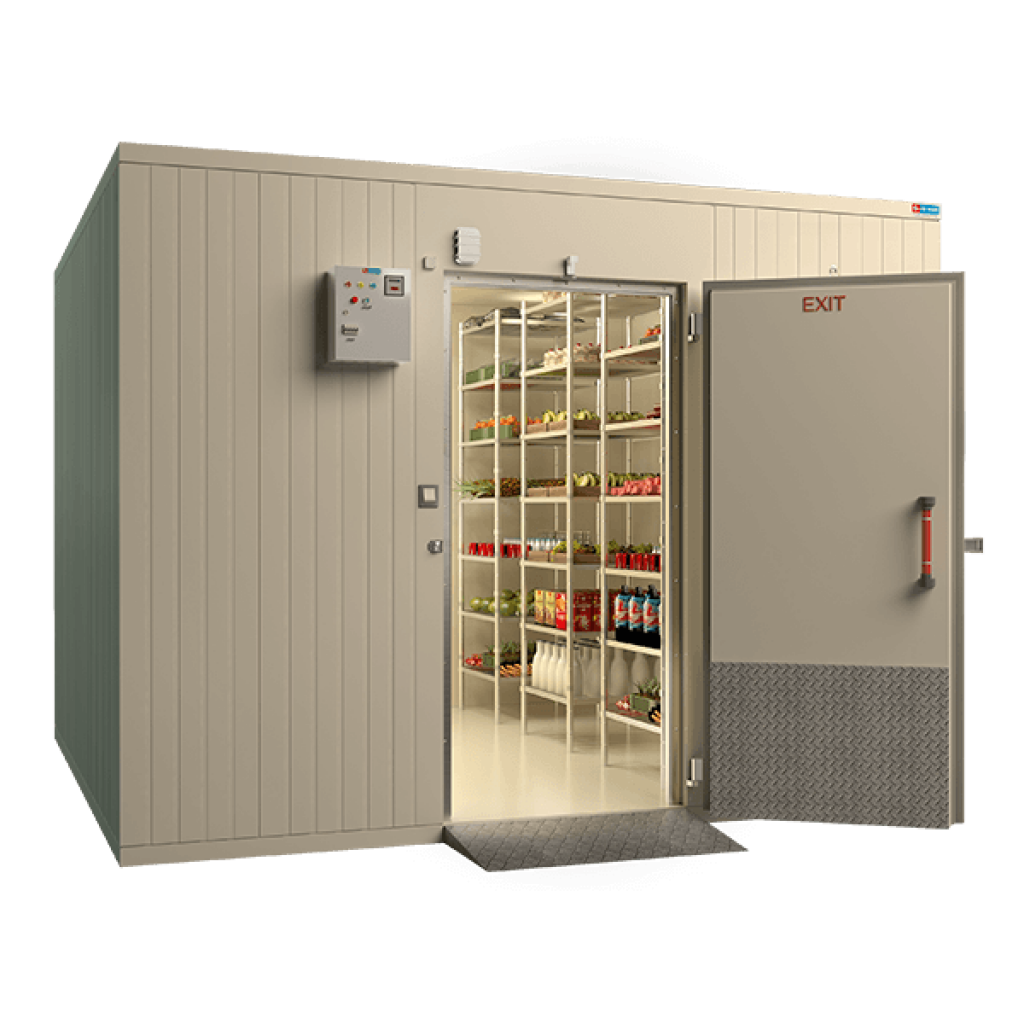
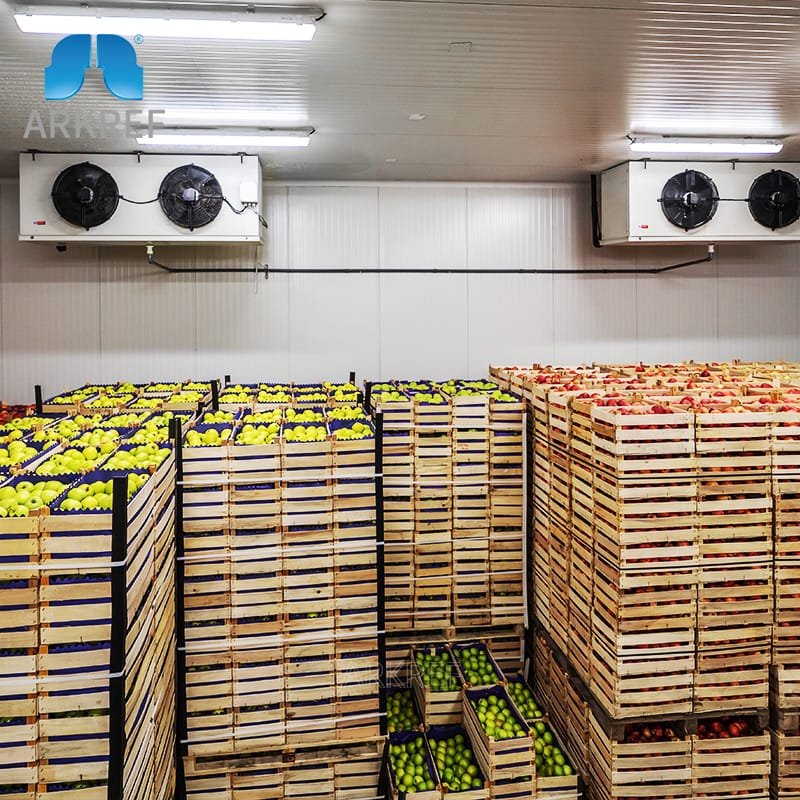
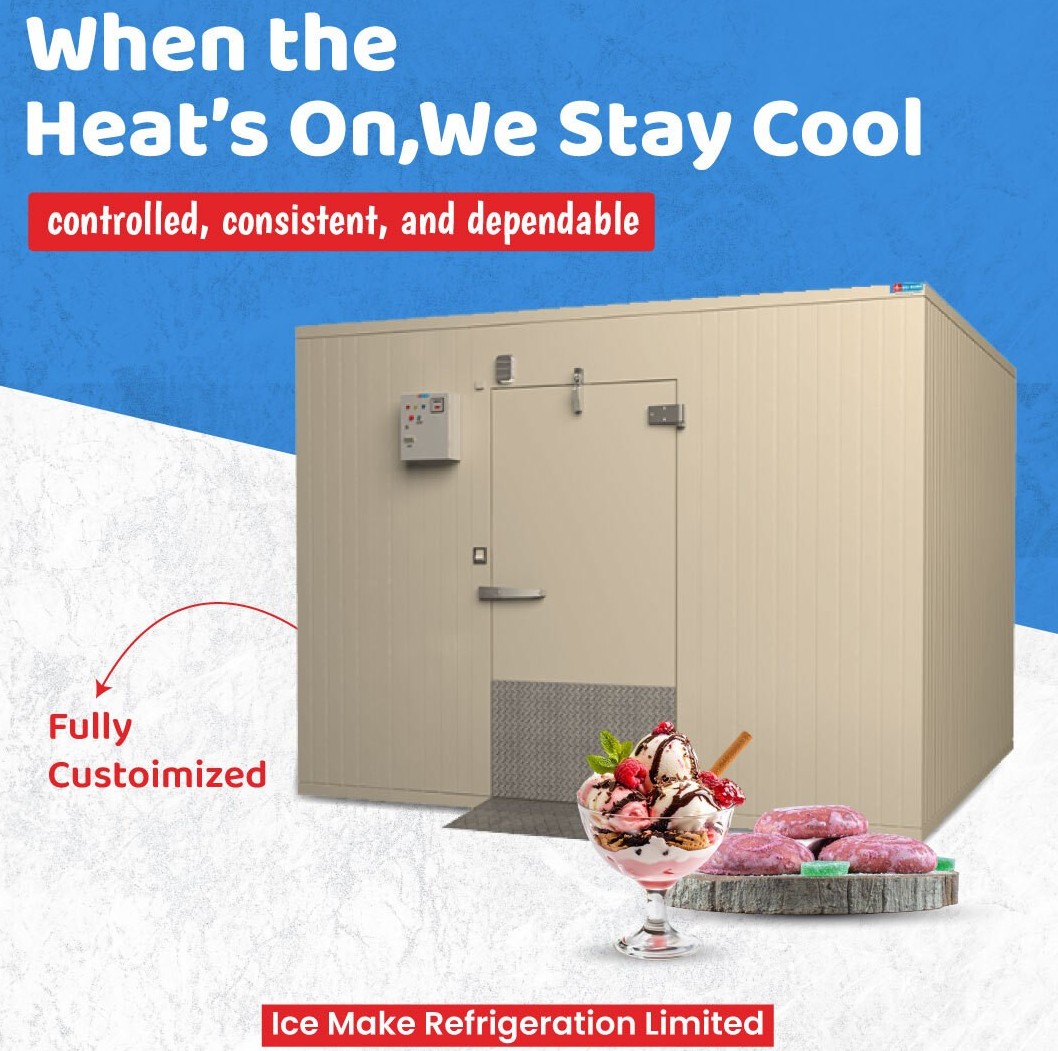
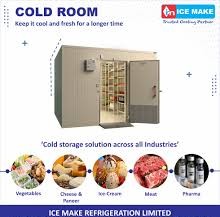
A modular cold room is a prefabricated, insulated enclosure that maintains a controlled temperature and humidity setpoint for safe storage of perishable products. Unlike brick‑and‑mortar builds, modular rooms use interlocking insulated panels and standardized refrigeration packages. They are delivered in parts, installed on site, and expandable over time.
Typical Operating Ranges
• Chiller rooms: +2°C to +10°C for produce, dairy, beverages, and prepared foods.
• Freezer rooms: −18°C to −25°C for meat, poultry, ice cream, and frozen goods.
• Special applications: 0°C to +4°C for pharma and high‑value perishables; humidity control where required.
Core Building Blocks
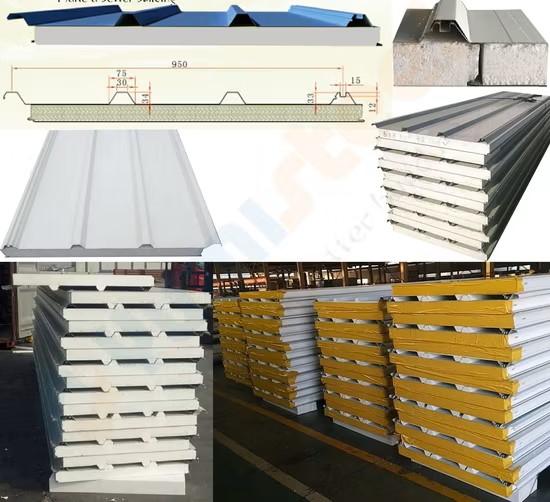
• Insulated envelope: PUF (polyurethane foam) sandwich panels with high R‑value and cam‑lock joints that minimize thermal bridging and air leakage.
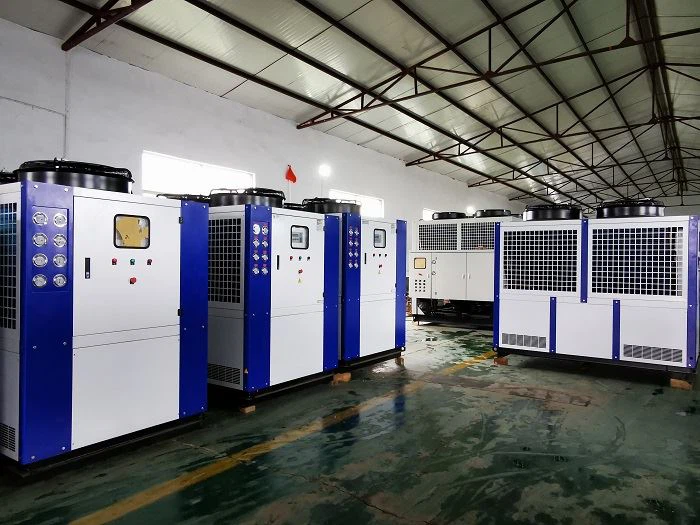
• Refrigeration package: hermetic or semi‑hermetic compressors, condensers, evaporators, expansion devices, and controls sized to the room heat load.
• Doors and hardware: heavy‑duty hinges, heater wires for freezer doors, viewports, kick plates, and automatic closers to reduce infiltration.
• Controls and safety: digital temperature controllers, defrost scheduling, high‑pressure cut‑outs, door alarms, emergency release mechanisms, and optional data logging.
Why Modular Beats Conventional Builds
• Speed: Installation in days, not months — ideal for fast‑growing businesses.
• Scalability: Expand or relocate by adding/removing panels as demand changes.
• Hygiene: Food‑grade surfaces with smooth, easy‑to‑clean interiors and rounded corners.
• Efficiency: Tight envelopes and optimized refrigeration reduce operating costs.
• Predictability: Factory‑engineered components minimize site risk and rework.
ICEMAKE Technology Delivered by RM Agrotech
ICEMAKE’s modular cold room solutions are engineered for durability and efficiency. RM Agrotech ensures local fitment, commissioning, and lifecycle support.
1) High‑Performance PUF Panels
Precision‑manufactured panels with dense, closed‑cell foam deliver excellent thermal resistance (high R‑value) and low water absorption. Tongue‑and‑groove or cam‑lock joints provide air‑tight seams, reducing heat ingress and compressor run time.
2) Energy‑Efficient Compressors and Condensers
Systems are equipped with hermetic or semi‑hermetic compressors and microchannel or fin‑and‑tube condensers sized to Nepal’s ambient conditions. Where appropriate, variable‑speed fans and soft‑start electronics reduce peak loads and improve stability on weak grids.
3) Hygienic, Serviceable Evaporators
Coils with food‑grade drain pans, corrosion‑resistant coatings where required, and easy access for sanitation. Air throw and coil selection are calculated to avoid warm pockets and frost buildup.
4) Smart Controls and Protection
Digital controllers maintain temperature precisely, schedule defrosts to prevent icing, and protect equipment with high/low pressure cut‑outs and phase/voltage safeguards. Optional data loggers create temperature histories for audits and compliance.
5) Sustainable Refrigerants
CFC‑free, ozone‑friendly refrigerants (e.g., R404A, R507, R407C depending on application) align with environmental standards and performance targets.
Designing the Right Room for Nepal
A successful installation begins with realistic load calculations and attention to local constraints. RM Agrotech conducts site surveys to size equipment and panels correctly.
Key Design Inputs
• Product type and daily throughput (mass, entry temperature, packaging).
• Desired room temperature and allowable pull‑down time.
• Door opening frequency, door size, and handling methods (trolleys, pallets).
• Ambient conditions at site (temperature, humidity, altitude).
• Available electrical capacity, voltage stability, and backup power strategy.
• Future expansion plans and site access constraints.
Envelope Optimization
• Panel thickness selection (e.g., 60–80 mm for chillers, 100–150 mm for freezers) to balance capex and opex.
• Thermal breaks and gaskets at joints to stop condensation and heat leaks.
• Floor insulation and vapor barriers to prevent frost heave in freezers.
Refrigeration Sizing and Choices
• Compressor selection for part‑load efficiency and reliability.
• Evaporator capacity and air distribution based on product sensitivity and room geometry.
• Hot‑gas or electric defrost strategy to maintain coil efficiency with minimal downtime.
• Optional dual‑circuit redundancy for critical pharma or high‑value storage.
Operational Best Practices
• Receiving discipline: Minimize door‑open time; stage goods for rapid loading.
• Racking and airflow: Keep clearances around evaporators; avoid blocking air paths.
• Housekeeping: Daily cleaning of floors and drains; scheduled coil and fan cleaning.
• Temperature logging: Maintain records for QA, audits, and predictive maintenance.
• Maintenance plan: Quarterly inspections of electricals, refrigerant charge, door seals, and controls.
Energy Efficiency Measures That Pay Back
• High‑R panels and well‑sealed doors cut compressor hours immediately.
• EC (electronically commutated) fans reduce fan energy at partial load.
• Smart defrosts triggered by coil sensors avoid unnecessary heat input.
• LED lighting with door interlocks eliminates standby loads.
• Variable‑speed condenser fans lower noise and power in cool seasons.
• Solar‑assist or hybrid UPS improves uptime in regions with unreliable grids.
Hygiene and Food‑Safety Compliance
For food, pharma, and hospitality operations, hygiene is non‑negotiable. ICEMAKE rooms supplied by RM Agrotech are designed to support HACCP‑aligned procedures and ISO 9001:2015 quality systems.
Hygiene Features
• Antibacterial coatings and smooth interior skins that resist biofilm.
• Cove profiles and rounded corners to eliminate dirt traps.
• Heated door frames and thresholds that prevent condensation and ice.
• Non‑slip, cleanable flooring options with chemical resistance.
• Positive drainage and correctly trapped condensate lines.
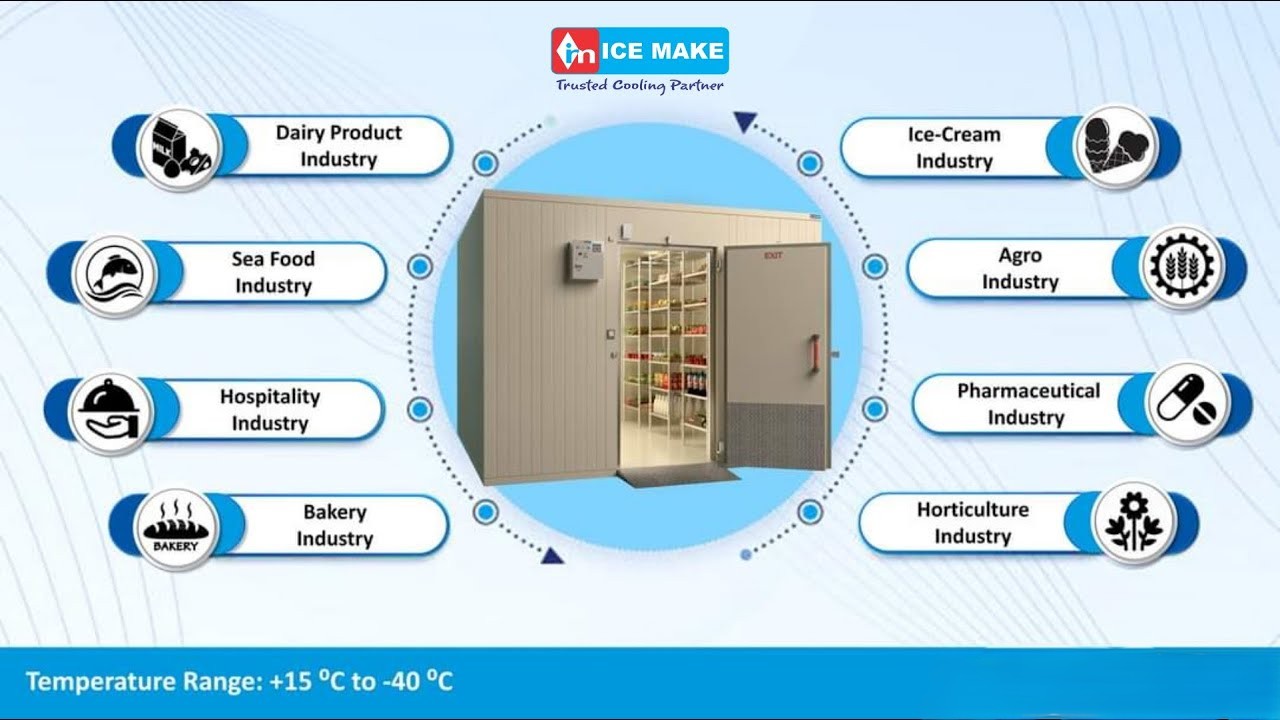
Applications Across Nepal
• Hotels, restaurants, and central kitchens creating multi‑zone storage.
• Supermarkets and distribution hubs managing daily turnover and seasonal peaks.
• Dairy and meat processors standardizing chilling and freezing capacity.
• Pharmaceutical warehouses meeting temperature‑control mandates.
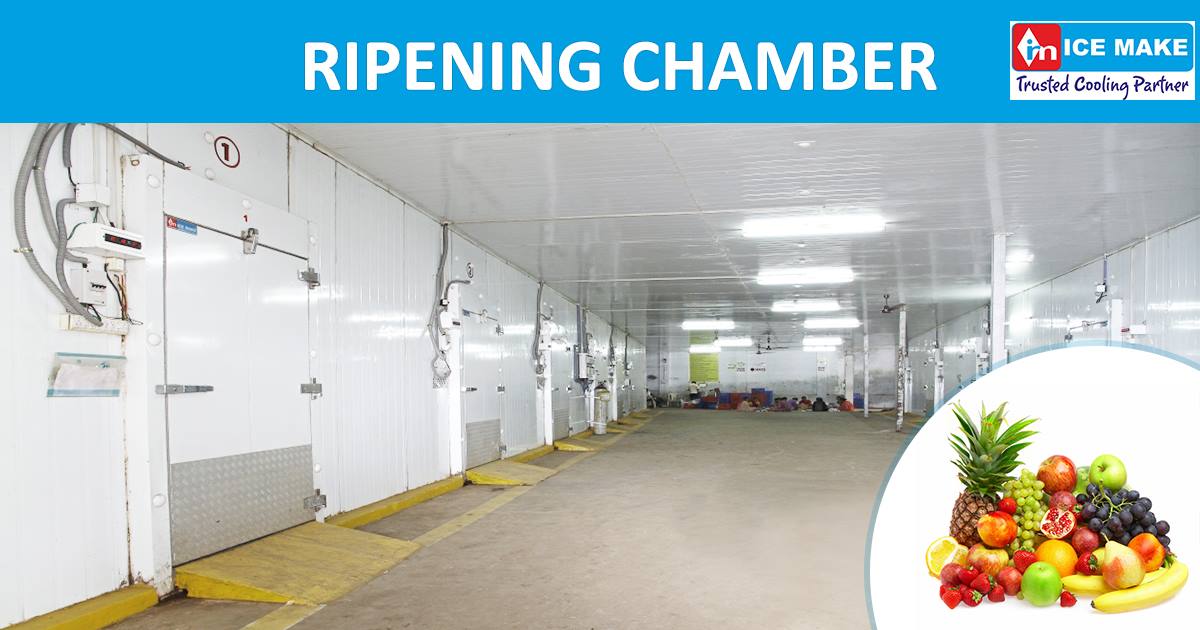
• Agricultural cooperatives adding community cold storage near harvest centers.
Economics and Growth Enablement
A properly specified modular room reduces waste, stabilizes quality, and unlocks new product lines (e.g., frozen SKUs). The result is higher gross margin through reduced shrinkage and better inventory control. Over time, energy savings and improved availability offset initial investment and create a platform for expansion.
RM Agrotech’s End‑to‑End Support
• Consultation and layout design rooted in operational reality.
• Delivery, installation, and testing with local engineering teams.
• Operator training and SOP creation for consistent daily management.
• Preventive maintenance contracts and rapid spares availability.
• Upgrade paths for capacity, controls, and energy performance.
Future‑Ready Cold Rooms
As Nepal’s retail, hospitality, and processing sectors scale, modular cold rooms form the backbone of a smarter cold chain. With data logging, remote alerts, and renewable‑ready designs, today’s rooms are built for tomorrow’s demands.
Call to Action
keep it cool. Keep it fresh. Choose modular cold rooms engineered by ICEMAKE and delivered with RM Agrotech’s local expertise. For a site assessment and design proposal, contact RM Agrotech — Nepal’s authorized ICEMAKE partner for scalable, hygienic, and energy‑efficient cold storage.