Nepal's agricultural economy is experiencing unprecedented growth, with increasing demand for temperature-controlled storage and processing facilities across dairy, meat, fruits, vegetables, and pharmaceutical sectors. The country's strategic location between major markets, combined with growing urbanization and rising consumer expectations for fresh, quality products, has created an urgent need for sophisticated industrial refrigeration infrastructure. RM Agrotech Pvt. Ltd., through its strategic partnership with ICE Make Refrigeration Ltd., brings world-class industrial refrigeration solutions to Nepal, addressing critical gaps in the cold chain that have historically limited agricultural productivity and market access.
ICE Make Refrigeration Ltd., established in 1993, specializes in providing customized cooling solutions including Cold Rooms, Freezers, Commercial and Industrial Refrigeration Systems, and Chilling Plants. Their comprehensive product portfolio of over 50 different systems, combined with RM Agrotech's deep understanding of Nepal's unique geographical and infrastructural challenges, creates an unprecedented opportunity for businesses to establish reliable, energy-efficient cold storage and processing facilities. This technology partnership addresses everything from small-scale cooperative cold storage to large industrial processing plants, with systems designed to operate effectively in Nepal's diverse climatic conditions from the tropical Terai to high-altitude regions.
The economic impact of industrial refrigeration extends far beyond simple storage. Refrigeration systems are responsible for over 90% of the energy consumed within a cold storage distribution center, making energy efficiency a critical factor for operational sustainability. Modern industrial refrigeration systems offer dramatic improvements in energy efficiency, reduced operational costs, and enhanced product quality preservation. For Nepal's agricultural sector, this translates to reduced post-harvest losses, extended shelf life for perishable products, ability to access distant markets, and development of value-added processing capabilities that can compete regionally and internationally.
RM Agrotech's comprehensive approach includes detailed site assessment, customized system design, professional installation, operator training, and ongoing maintenance support. This end-to-end service model ensures that businesses can successfully implement and operate sophisticated refrigeration technology even in challenging locations. The partnership focuses on creating sustainable, scalable solutions that grow with businesses while maintaining optimal performance and regulatory compliance. With applications ranging from dairy processing plants and meat storage facilities to pharmaceutical cold storage and agricultural product processing, industrial refrigeration systems represent a foundational technology for Nepal's economic development and food security enhancement.
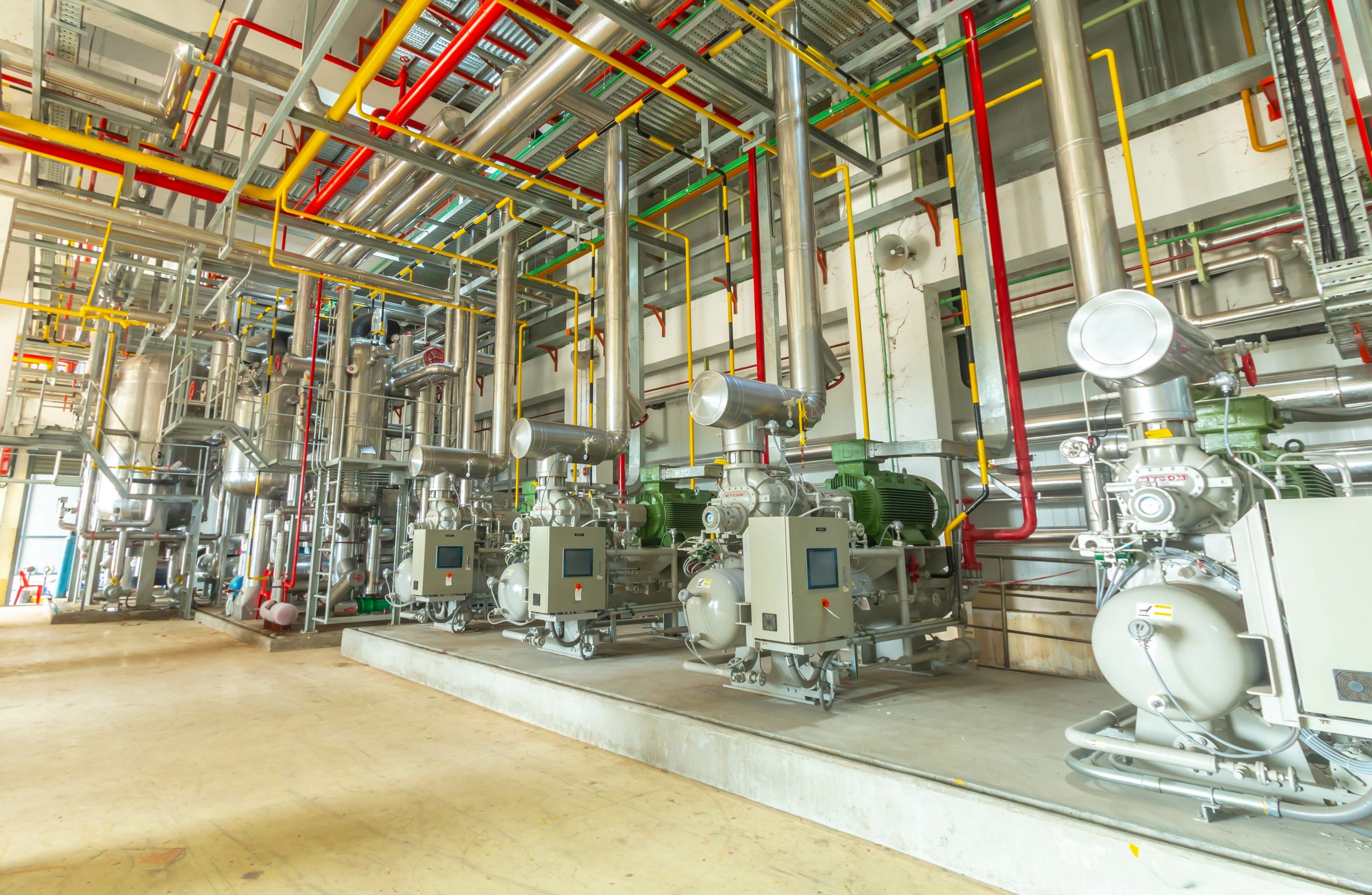
Industrial refrigeration systems are complex, centralized cooling solutions designed to maintain precise temperature control across large-scale operations. Unlike residential or small commercial units, these systems are engineered for continuous operation, handling massive thermal loads while maintaining energy efficiency and operational reliability.
Core Components and Technology:
Compressor Systems: Parallel compressor racks can be set up for multiple suction groups, with a single parallel rack for a smaller Cold Storage facility designed with a low-temperature suction group to provide refrigeration for the freezer as well as a medium-temperature suction group. This flexibility allows businesses to operate multiple temperature zones from a single, centralized system.
Refrigerant Technology: Ammonia, CO2 and HFC/HFO refrigerants are the most common types used for industrial Cold Storage refrigeration systems. Modern systems increasingly utilize natural refrigerants like CO2, which offer environmental benefits while maintaining superior cooling performance.
Control Systems: Advanced automation and monitoring systems ensure precise temperature control, energy optimization, and remote monitoring capabilities—critical for maintaining product quality and operational efficiency.
Applications Across Industries:
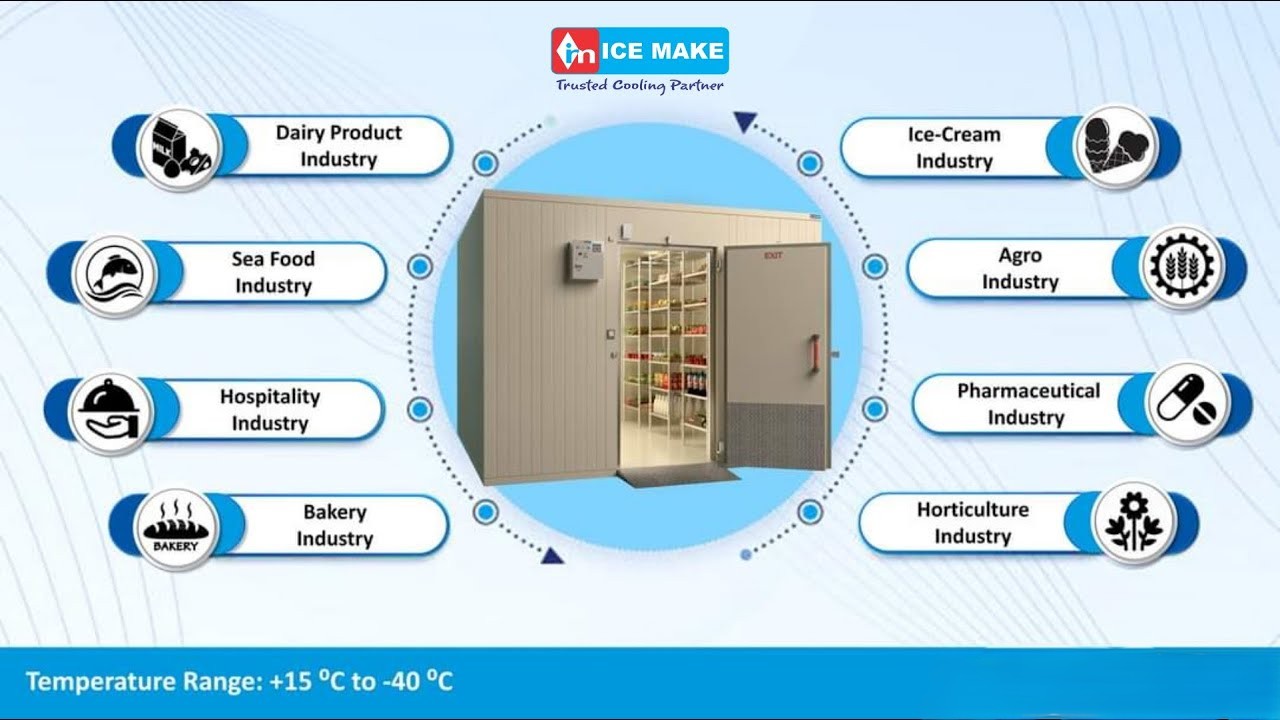
Agriculture and Food Processing: Temperature-controlled storage for fruits, vegetables, grains, and processed foods Dairy Industry: Milk chilling, processing, and finished product storage Meat and Poultry: Slaughter facility cooling, aging rooms, and distribution storage Pharmaceutical: Temperature-sensitive medication and vaccine storage Logistics and Distribution: Cold storage warehouses and distribution centers
Nepal's Industrial Refrigeration Market Opportunity
Current Market Challenges:
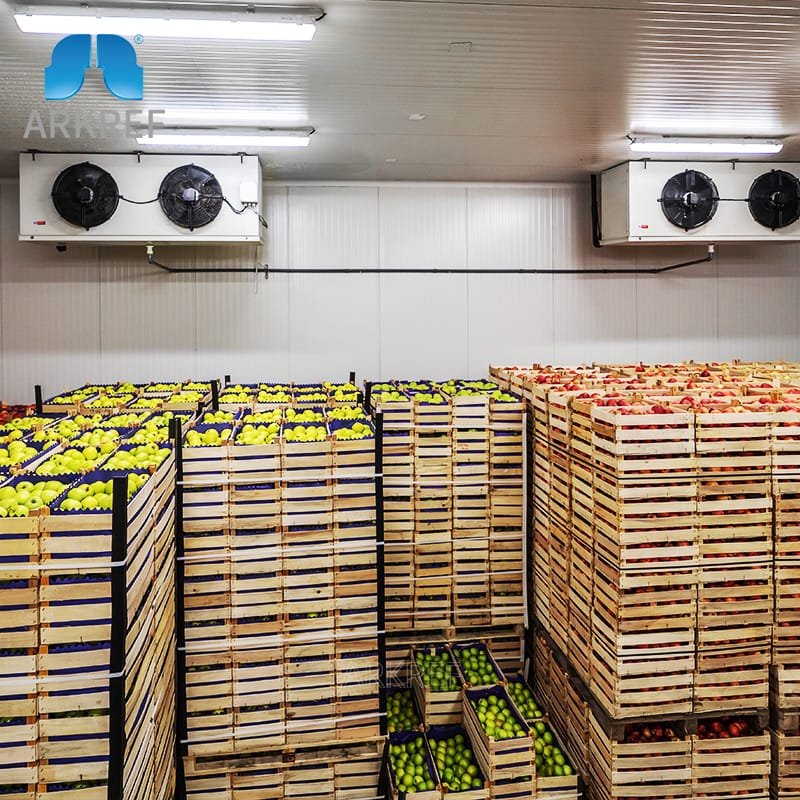
Nepal's agricultural sector faces significant challenges due to inadequate cold chain infrastructure. Traditional storage methods result in substantial post-harvest losses, particularly for perishable products. The lack of proper refrigeration limits market access, reduces farmer incomes, and constrains the development of value-added processing industries.
Growth Drivers:
Urbanization: Rapid urban growth creates demand for processed and preserved foods Export Opportunities: Growing demand in neighboring markets for Nepali agricultural products Government Initiatives: Policy support for agricultural modernization and food processing Private Investment: Increasing private sector investment in agricultural infrastructure Consumer Awareness: Rising demand for food safety and quality
Market Segments:
Large-Scale Agriculture: Commercial farms requiring bulk storage and processing Cooperatives: Farmer cooperatives pooling resources for shared cold storage Food Processing: Manufacturing facilities for dairy, meat, and processed foods Logistics: Distribution centers and transportation companies Retail: Supermarkets and retail chains requiring cold storage
ICE Make's Industrial Refrigeration Solutions
Comprehensive Product Portfolio:
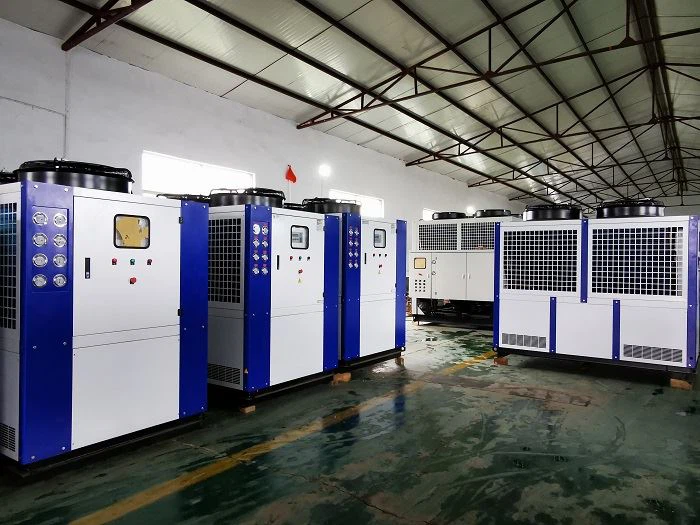
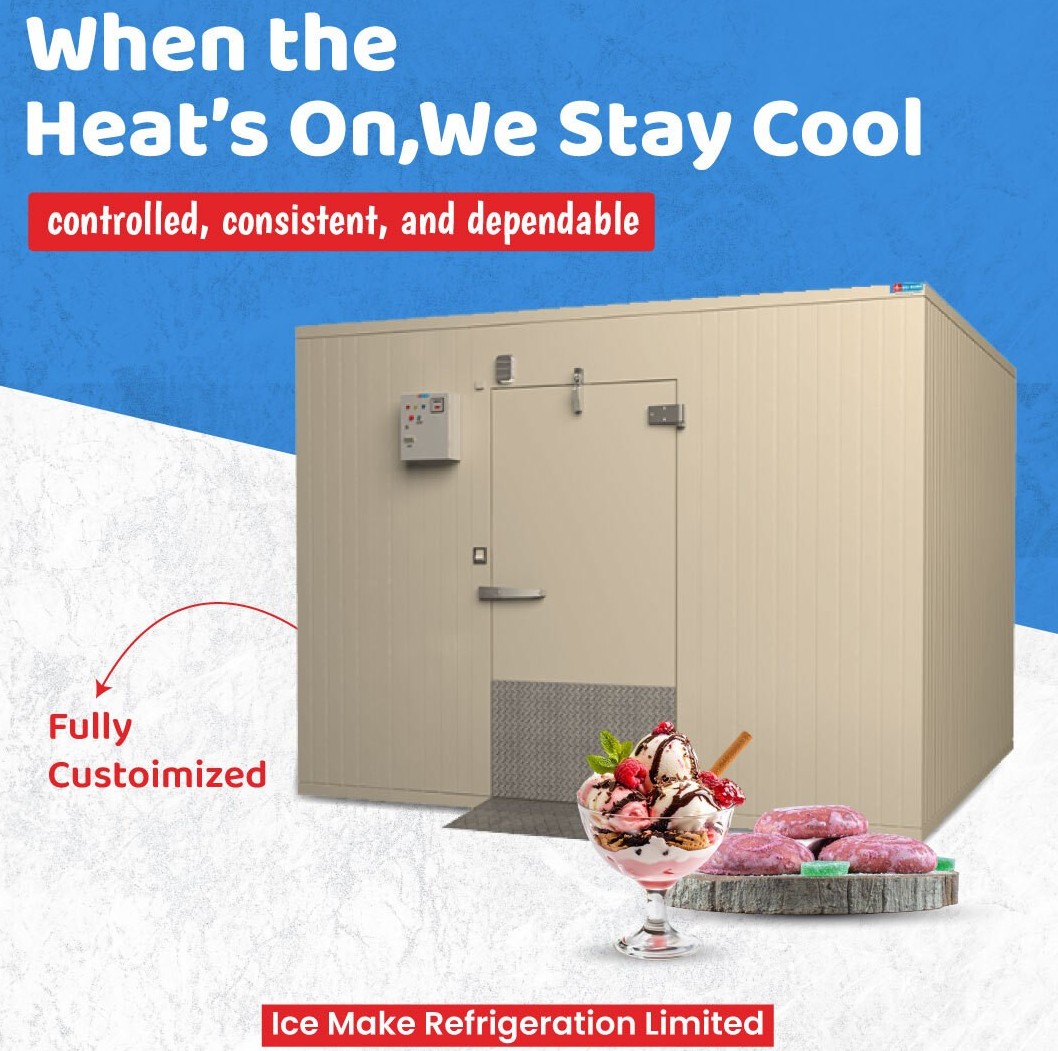
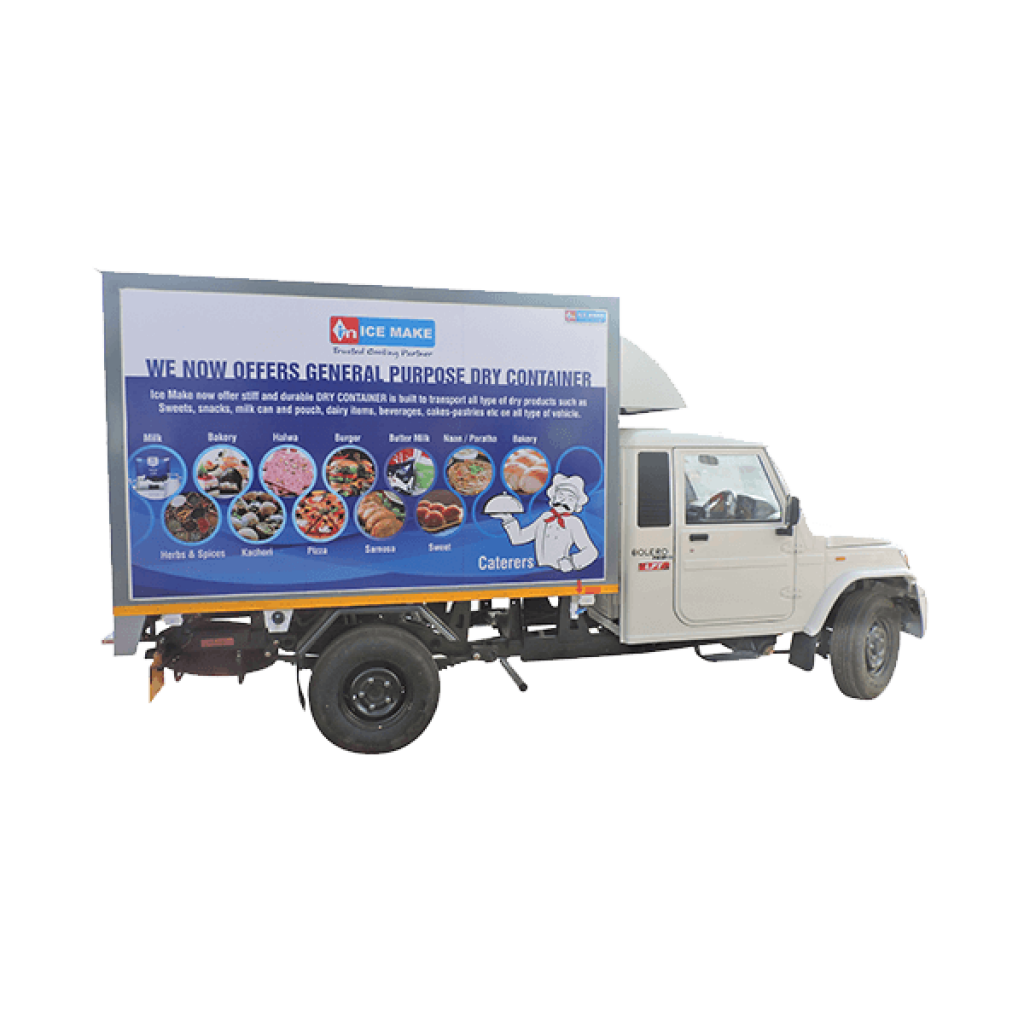
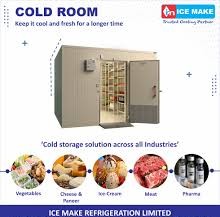
Cold Storage Rooms: Modular, scalable systems from small units to massive warehouse facilities Blast Freezers: Rapid freezing systems for fish, meat, and processed foods Chilling Plants: Centralized cooling for dairy processing and beverage production Process Cooling: Specialized systems for manufacturing and industrial applications Transport Refrigeration: Mobile cooling solutions for distribution and logistics
Technology Advantages:
Energy Efficiency: Advanced compressor technology and system design minimize power consumption Reliability: Robust construction designed for continuous operation in challenging conditions Flexibility: Modular systems that can be expanded or reconfigured as needs change Compliance: Systems designed to meet international food safety and pharmaceutical standards Sustainability: Natural refrigerant options and energy-efficient operation
Customization Capabilities:
Each system is engineered specifically for the application, considering factors such as:
- Product characteristics and storage requirements
- Facility size and layout constraints
- Local climate conditions and seasonal variations
- Power supply availability and reliability
- Operator skill levels and training requirements
Applications in Nepal's Context
Dairy Processing Industry:
Nepal's dairy sector represents one of the most promising applications for industrial refrigeration. With increasing milk production and growing demand for processed dairy products, facilities require:
Milk Reception and Chilling: Large-capacity systems for rapid cooling of incoming milk Processing Equipment Cooling: Temperature control for pasteurization, homogenization, and packaging Product Storage: Separate zones for different dairy products with specific temperature requirements Quality Control: Precise temperature maintenance for regulatory compliance
Meat and Poultry Processing:
The growing meat industry in Nepal requires sophisticated refrigeration for:
- Slaughter facility cooling systems
- Aging and processing rooms
- Packaging and distribution storage
- Compliance with food safety regulations
Fruit and Vegetable Processing:
Nepal's agricultural diversity creates opportunities for:
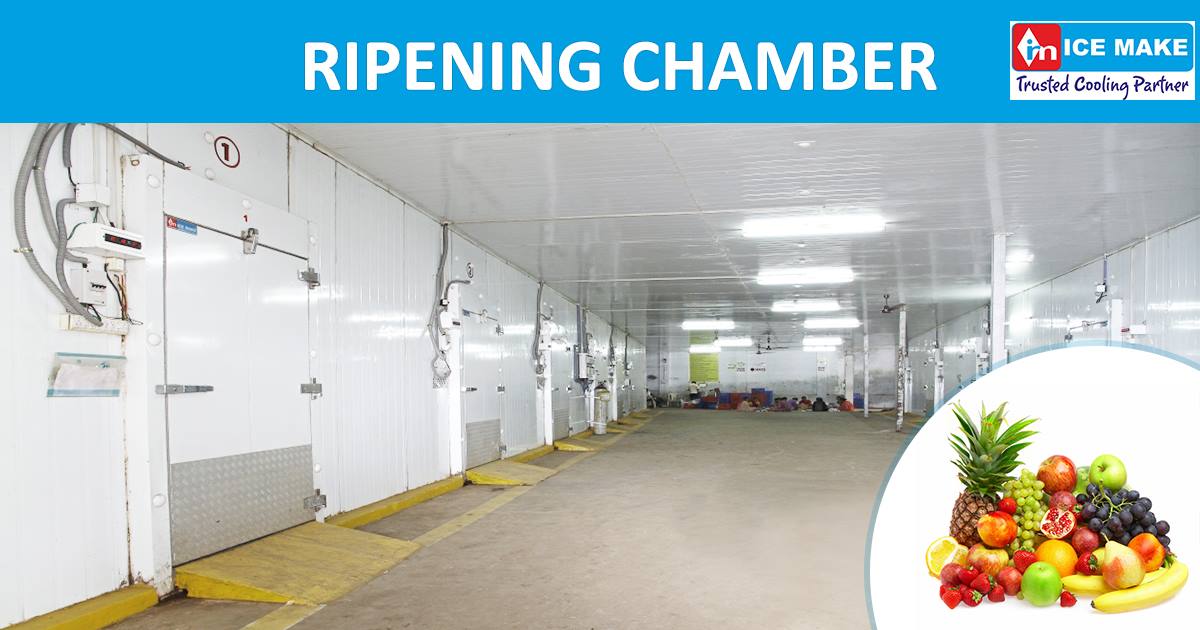
- Pre-cooling facilities for harvested produce
- Processing plant cooling for juice and canning operations
- Distribution center storage for extended shelf life
- Export preparation facilities
Pharmaceutical and Healthcare:
Growing healthcare infrastructure requires:
- Vaccine storage and distribution systems
- Medication cold storage facilities
- Hospital and clinic refrigeration
- Research and laboratory cooling
Economic Benefits and ROI Analysis
Direct Economic Benefits:
Reduced Losses: Proper refrigeration can reduce post-harvest losses from 20-30% to less than 5% Extended Shelf Life: Products maintain quality longer, enabling access to distant markets Premium Pricing: Consistent quality products command higher market prices Value Addition: Processing capabilities enable production of higher-value products
Operational Advantages:
Inventory Management: Longer storage periods enable better inventory planning Market Timing: Ability to sell products when market conditions are favorable Quality Consistency: Maintaining product quality standards for premium markets Regulatory Compliance: Meeting food safety and export requirements
Long-term Investment Returns:
Asset Value: Well-designed refrigeration systems maintain value over 15-20 year lifespans Scalability: Modular systems can expand with business growth Technology Upgrades: Systems can be upgraded with newer technology as needed Energy Savings: Modern systems significantly reduce operating costs compared to older technology
RM Agrotech's Comprehensive Service Model
Project Development Process:
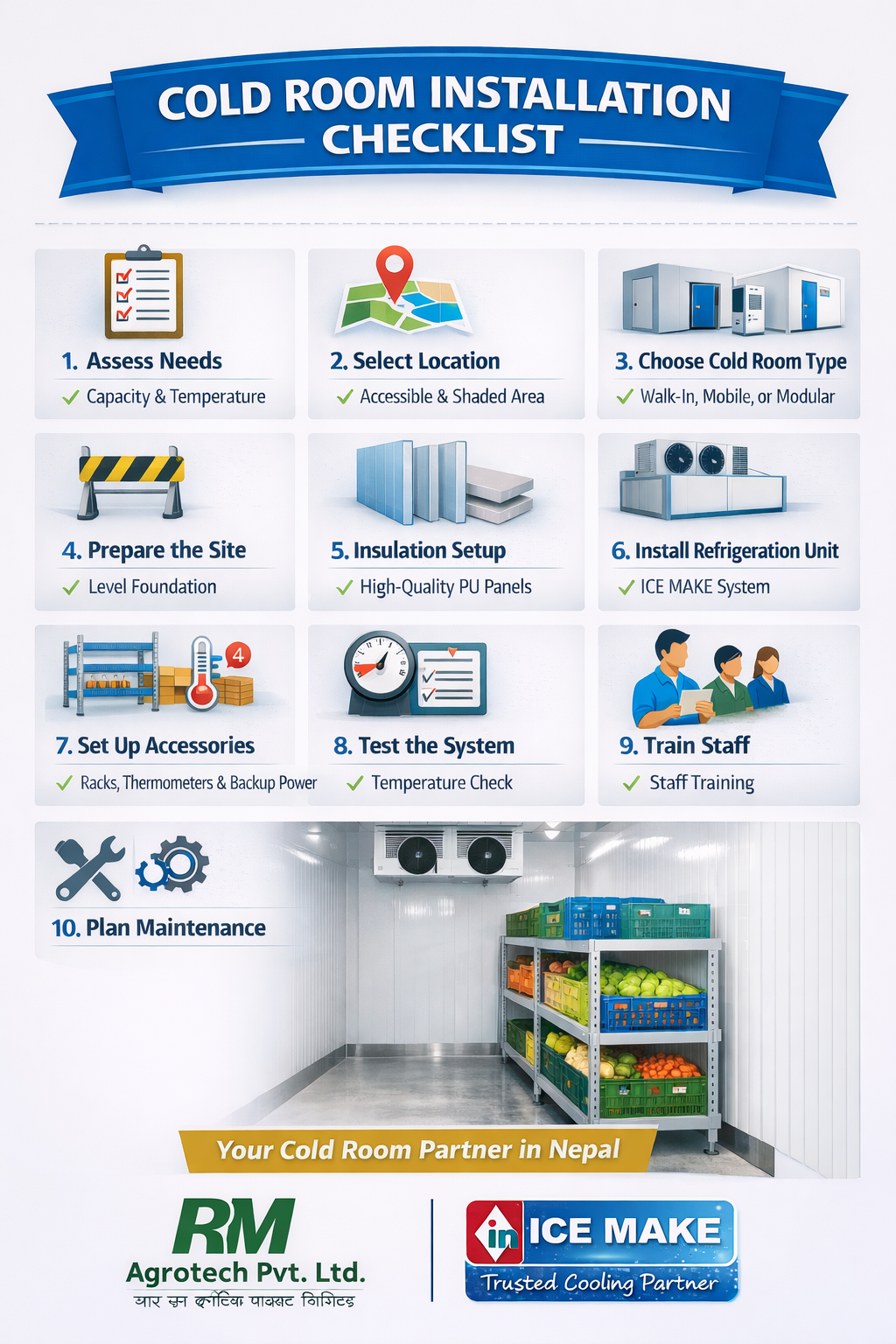
1. Needs Assessment: Detailed analysis of cooling requirements, facility constraints, and business objectives 2. System Design: Custom engineering considering local conditions and operational requirements 3. Project Planning: Comprehensive project management including permits, logistics, and scheduling 4. Installation and Commissioning: Professional installation with thorough testing and optimization 5. Training and Support: Operator training and ongoing technical support
Technical Expertise:
Site Evaluation: Assessment of electrical supply, structural requirements, and environmental conditions System Integration: Coordination with existing facilities and infrastructure Compliance Support: Ensuring systems meet local regulations and international standards Performance Optimization: Ongoing monitoring and adjustment for optimal efficiency
After-Sales Support:
Preventive Maintenance: Regular servicing to ensure optimal performance and longevity Emergency Service: 24/7 support for critical system failures Spare Parts Supply: Comprehensive inventory of replacement components System Upgrades: Technology updates and capacity expansions as needed
Energy Efficiency and Sustainability
Environmental Considerations:
Modern industrial refrigeration systems prioritize environmental sustainability through:
- Natural refrigerant options (CO2, ammonia) with low global warming potential
- Energy-efficient compressor technology reducing power consumption
- Heat recovery systems utilizing waste heat for other applications
- Smart controls minimizing energy use during low-demand periods
Operational Efficiency:
Variable Speed Drives: Compressors adjust output based on actual cooling demand Zone Control: Different areas can be maintained at optimal temperatures without overcooling Thermal Mass Management: Systems designed to minimize temperature fluctuations Load Balancing: Efficient distribution of cooling loads across multiple compressors
Cost Management:
Peak Demand Management: Systems designed to reduce peak electrical demand charges Thermal Storage: Ice storage systems for load shifting and demand management Energy Monitoring: Real-time tracking of energy consumption for optimization Maintenance Scheduling: Preventive maintenance to maintain peak efficiency
Installation and Operational Considerations
Site Requirements:
Electrical Infrastructure: Three-phase power supply with adequate capacity and backup systems Structural Support: Adequate foundation and structural support for equipment loads Ventilation: Proper air circulation for equipment cooling and safety Drainage: Systems for condensate removal and equipment cleaning
Operational Training:
System Operation: Training operators on normal system operation and monitoring Maintenance Procedures: Basic maintenance tasks and troubleshooting Safety Protocols: Refrigerant handling and emergency procedures Record Keeping: Documentation requirements for regulatory compliance
Regulatory Compliance:
Building Codes: Compliance with local construction and safety regulations Environmental Regulations: Proper refrigerant handling and disposal procedures Food Safety Standards: Meeting requirements for food processing and storage Export Certification: Systems designed to meet international export requirements
Future Trends and Technology Integration
Smart System Integration:
IoT Connectivity: Remote monitoring and control capabilities Predictive Maintenance: AI-driven maintenance scheduling based on system performance Energy Management: Integration with building management systems for optimal efficiency Data Analytics: Performance tracking and optimization recommendations
Emerging Technologies:
Magnetic Refrigeration: Next-generation cooling technology with superior efficiency Absorption Refrigeration: Solar-powered cooling systems for remote locations Hybrid Systems: Combination of traditional and renewable energy sources Advanced Materials: Improved insulation and heat transfer materials
Market Evolution:
Distributed Systems: Smaller, more flexible systems for diverse applications Modular Design: Standardized components for faster deployment and lower costs Service Models: Equipment-as-a-service options for smaller businesses Integration Services: Comprehensive facility management including refrigeration
Success Stories and Case Studies
Dairy Processing Success:
A major dairy cooperative in Nepal implemented a comprehensive industrial refrigeration system that:
- Reduced milk spoilage by 85%
- Enabled processing of 50,000 liters daily
- Created employment for 200+ people
- Achieved export certification for regional markets
Cold Storage Impact:
A fruit processing facility using industrial refrigeration achieved:
- Extended mango season from 3 to 8 months
- Reduced post-harvest losses from 25% to 3%
- Increased farmer prices by 40%
- Enabled export to Middle East markets
Pharmaceutical Application:
A pharmaceutical distribution center implemented temperature-controlled storage:
- Ensured vaccine potency throughout supply chain
- Achieved WHO certification for pharmaceutical storage
- Reduced product losses to near zero
- Enabled rural healthcare access
Investment Framework and Financing
Capital Investment Considerations:
System Costs: Initial equipment and installation costs vary by capacity and complexity Infrastructure Requirements: Electrical, structural, and facility modifications Operational Costs: Energy, maintenance, and staffing requirements Regulatory Compliance: Certification and ongoing compliance costs
Financing Options:
Bank Financing: Traditional loans for established businesses Government Subsidies: Agricultural development and processing incentives Cooperative Financing: Shared ownership models for farmer cooperatives Lease Options: Equipment leasing for smaller businesses
Return on Investment:
Payback Period: Typically 3-5 years depending on application and scale Operational Savings: Reduced losses and increased efficiency Revenue Enhancement: Access to premium markets and value-added products Asset Value: Long-term asset value and depreciation benefits
Conclusion
Industrial refrigeration systems represent a transformative technology for Nepal's agricultural and food processing sectors. With RM Agrotech's expertise and ICE Make's proven technology, businesses across Nepal can access world-class refrigeration solutions that were previously unavailable or prohibitively expensive. The comprehensive service model ensures successful implementation and long-term operational success, while the economic benefits create compelling investment opportunities for businesses of all sizes.
The partnership between RM Agrotech and ICE Make addresses not just equipment supply but the entire ecosystem needed for successful industrial refrigeration implementation. From initial consultation through ongoing support, businesses receive the expertise and resources needed to transform their operations and access new market opportunities.
As Nepal continues its economic development journey, industrial refrigeration infrastructure will play a crucial role in food security, agricultural productivity, and export competitiveness. The technology is available, the expertise is accessible, and the market opportunities are substantial. For businesses ready to invest in their future, industrial refrigeration systems offer a proven path to growth, efficiency, and market success.
The time for Nepal's cold chain revolution is now. With RM Agrotech and ICE Make as partners, businesses can confidently invest in the refrigeration infrastructure needed to compete in today's demanding markets while building sustainable, profitable operations for the future.
RM Agrotech Pvt. Ltd. is the authorized dealer of ICE Make Refrigeration Ltd. in Nepal, providing comprehensive industrial refrigeration solutions with complete project management, installation, training, and ongoing support services. Contact us to discuss your specific refrigeration requirements and discover how industrial refrigeration can transform your business operations.