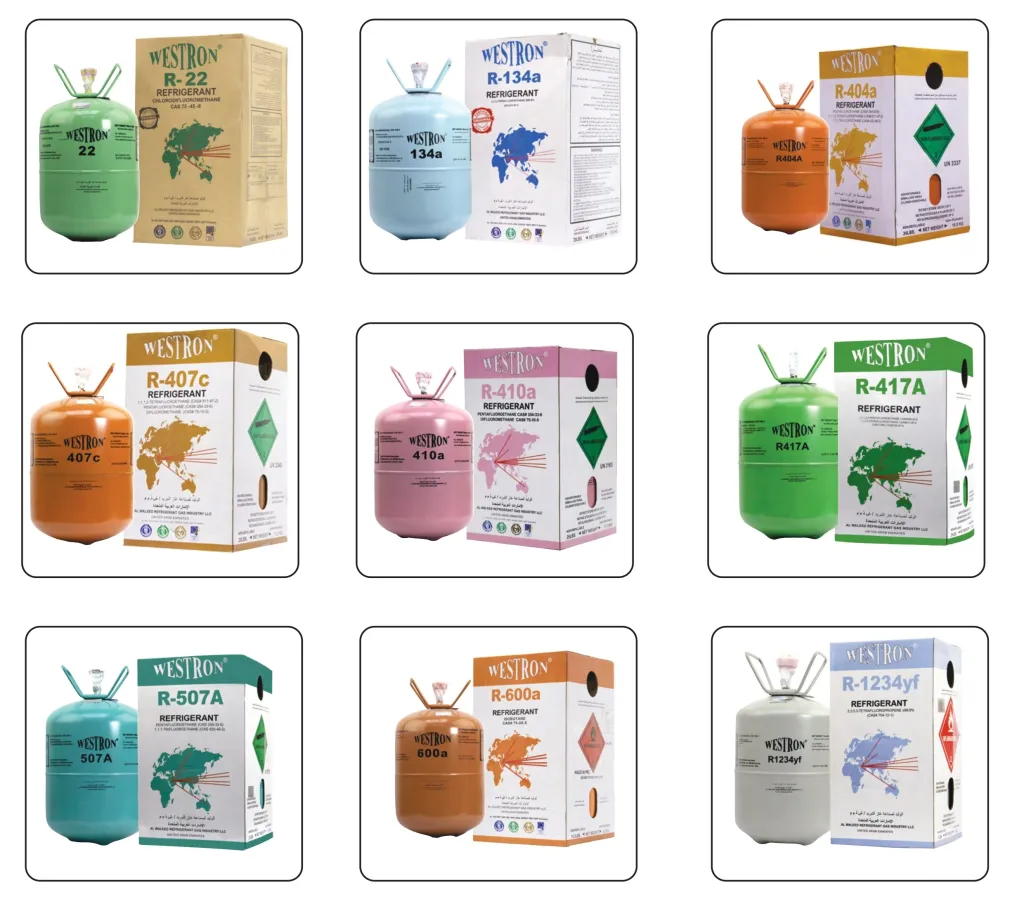
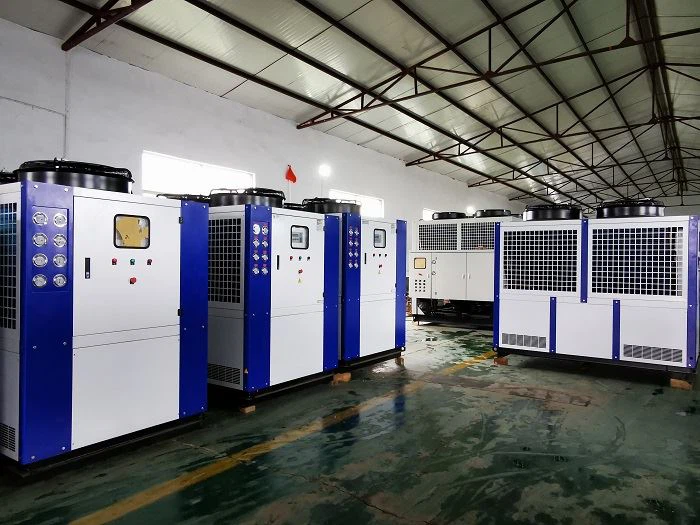
Refrigerant selection is about more than a code on a nameplate. In Nepal, owners balance safety, serviceability, ambient performance, future-readiness, and the realities of power and logistics. This non-promotional primer explains common refrigerants used in food, HoReCa, dairy, logistics, and pharma; outlines qualitative trade-offs; and suggests how to run safe, reliable systems with local training and spares. RM Agrotech implements ICEMAKE equipment with sensible controls and SOPs.
Introduction
Every refrigerant is a compromise among thermodynamics, materials, safety class, and service ecosystem. Nepal adds terrain, power variability, and distance to service centers. The right choice depends on application temperature, capacity, site conditions, and team capability. This article stays practical: what each option implies for design, commissioning, and daily operation—without hype or guarantees.
Market Reality / Pain Points
• Confusion from mixed advice (natural vs. HFC, etc.).
• Safety questions and licensing for flammables or toxic refrigerants.
• Service skills and spares access across districts.
• Ambient and altitude impacts on condensers and controls.
• Transition anxiety: Will this be future-proof?
How the Solution Works (clear, non-jargony)
A refrigerant works in a system. Consider: target temperature, expected ambient, load patterns, safety class, leak response, and available service skill.
A quick, qualitative map (not exhaustive):
R290 (Propane; A3 flammable)
- Where seen: Plug-ins, compact systems; increasingly small/medium cold rooms with charge-limited designs.
- Pros: Strong thermodynamic performance; widely recognized in efficient small systems.
- Watch-outs: Flammability (A3) → charge limits, ventilation, electrical classification, trained service.
R404A (A1)
- Where seen: Legacy & current low-temp systems, freezers.
- Pros: Familiar; wide service base.
- Watch-outs: Higher GWP; many owners plan transitions over time.
R134a (A1)
- Where seen: Medium-temp chillers, process cooling.
- Pros: Stable operation in MT; mature servicing.
- Watch-outs: GWP considerations.
R452A (A1)
- Where seen: Option targeted at R404A replacements (check component compatibility).
- Pros: Familiar handling; similar envelopes.
- Watch-outs: Validate expansion devices, oils, and performance case-by-case.
NH₃ (Ammonia; B2L toxicity, mild flammability)
- Where seen: Industrial plants, process/frozen storage.
- Pros: Strong efficiency, zero GWP; industrial-grade hardware.
- Watch-outs: Toxicity mandates trained staff, detectors, ventilation, and emergency procedures.
CO₂ / R744 (A1, high pressure)
- Where seen: Supermarket systems, industrial, and transcritical where design supports it.
- Pros: Low GWP; strong for certain applications; heat reclaim possibilities.
- Watch-outs: High operating pressures; transcritical control know-how; altitude/ambient considerations.
Features & Advantages
• The right refrigerant matches application temp and team capability.
• Clear safety training and signage reduce incident risk.
• Proper commissioning yields calmer cycles and fewer defrost surprises.
Nepal Use-Cases / Sectors
• Retail & HoReCa: R290 plug-ins/reach-ins; CO₂ or HFC/low-GWP blends in central packs depending on ecosystem maturity.
• Dairy / meat & poultry: NH₃ for industrial; R134a/R452A for MT process; R404A legacy service with transition planning.
• Cloud/central kitchens: R290/R134a MT systems with ventilation and charge management.
• Pharma: MT stability and monitoring first; refrigerant choice follows site constraints and service models.
Operations & Best Practices
• Design to safety class: Electrical classification, ventilation, leak detection, and emergency SOPs must match the refrigerant.
• Commissioning discipline: Tightness, evacuation, charging, superheat/subcool tuning; document settings for audits.
• Defrost & drains: Match defrost method to temperature and humidity; verify pan/line heat where needed.
• Monitoring: Temperature + alarms with duration filters; leak detection where appropriate; short corrective notes.
• Spare strategy: Stock gaskets, contactors, sensors, and any refrigerant-specific components locally.
• Training: Bilingual safety and service cards; drills for leak/odor events (especially NH₃ or A3 flammables).
Compliance & Quality
A documented safety plan, SOPs, and routine logs align with HACCP-style management and DFTQC expectations; ISO 22000-style audits benefit from commissioning records and alarm histories. Follow applicable standards and local regulations for refrigerant handling and safety—this article stays general, not legal advice.
Sustainability / Energy Considerations
• Envelope, airflow, and door discipline deliver more daily savings than any single gas choice.
• Clean condensers and realistic setpoints prevent waste regardless of refrigerant.
• Low-GWP options exist, but success depends on design + service readiness.
Benefits / Outcomes (qualitative)
Predictable performance, safer operations, fewer surprises at audit time, and easier expansion planning.
Implementation with RM Agrotech × ICEMAKE
We assess application and site constraints, propose refrigerant-aligned designs, commission with complete records, train teams on safety/operations, and provide service support with appropriate spares.
Checklist — Refrigerant Selection & Setup
• Confirm application temps, ambient, altitude, and load patterns.
• Match safety class to design: ventilation, detectors, electricals, SOPs.
• Specify components compatible with chosen refrigerant/oils.
• Commission with documented vac/charge/tuning values.
• Set monitoring & alarm duration filters; define recipients.
• Stock spares; schedule early-life and seasonal checks.
• Train teams; post bilingual safety and response cards.
Call to Action
Unsure which refrigerant fits your site, staff, and product mix? RM Agrotech (authorized ICEMAKE partner in Nepal) will design and commission a reliable, safe system with clear SOPs and support.
FAQ
Q1. Is there a “best” refrigerant?
No—fit trumps fashion. Choose by application, safety class, serviceability, and site constraints.
Q2. Can we drop in new gases to old systems?
Sometimes, with engineering checks (compatibility, oils, controls). Treat it as a project, not a refill.
Q3. Are natural refrigerants always lower cost to run?
Performance depends on the system and habits (doors, setpoints, defrost). Avoid blanket assumptions.
Q4. What about standards and permits?
Follow applicable codes/standards and local requirements for safety and refrigerant handling; plan training and signage.
Q5. How do we prepare teams?
Bilingual training, clear labels, emergency drills, and service logs make the difference.