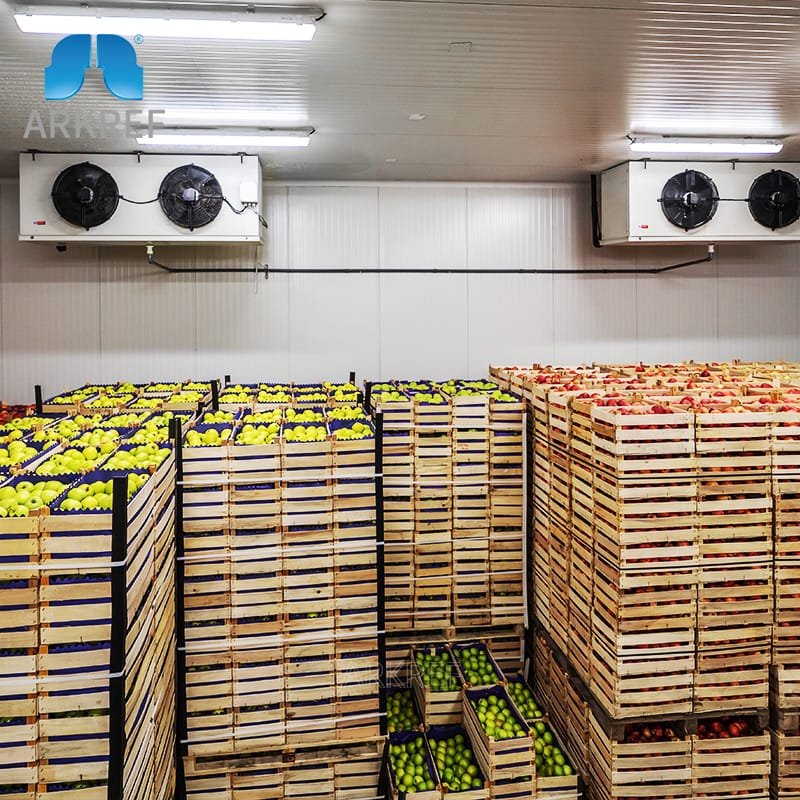
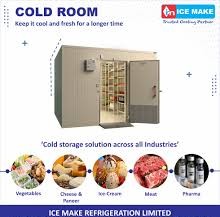
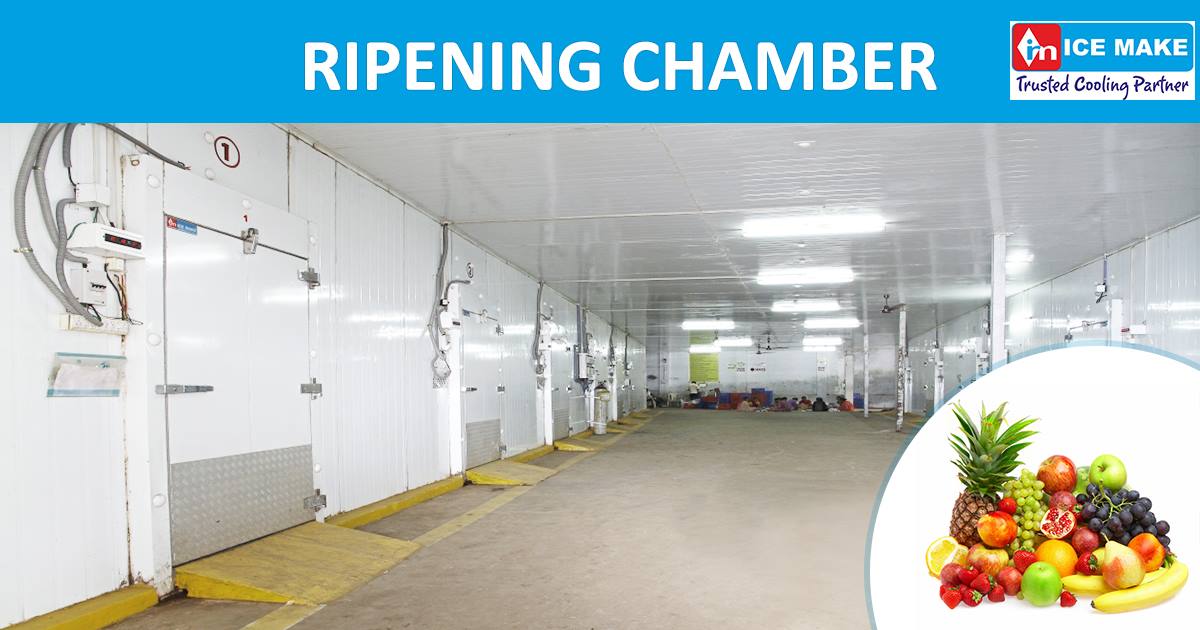
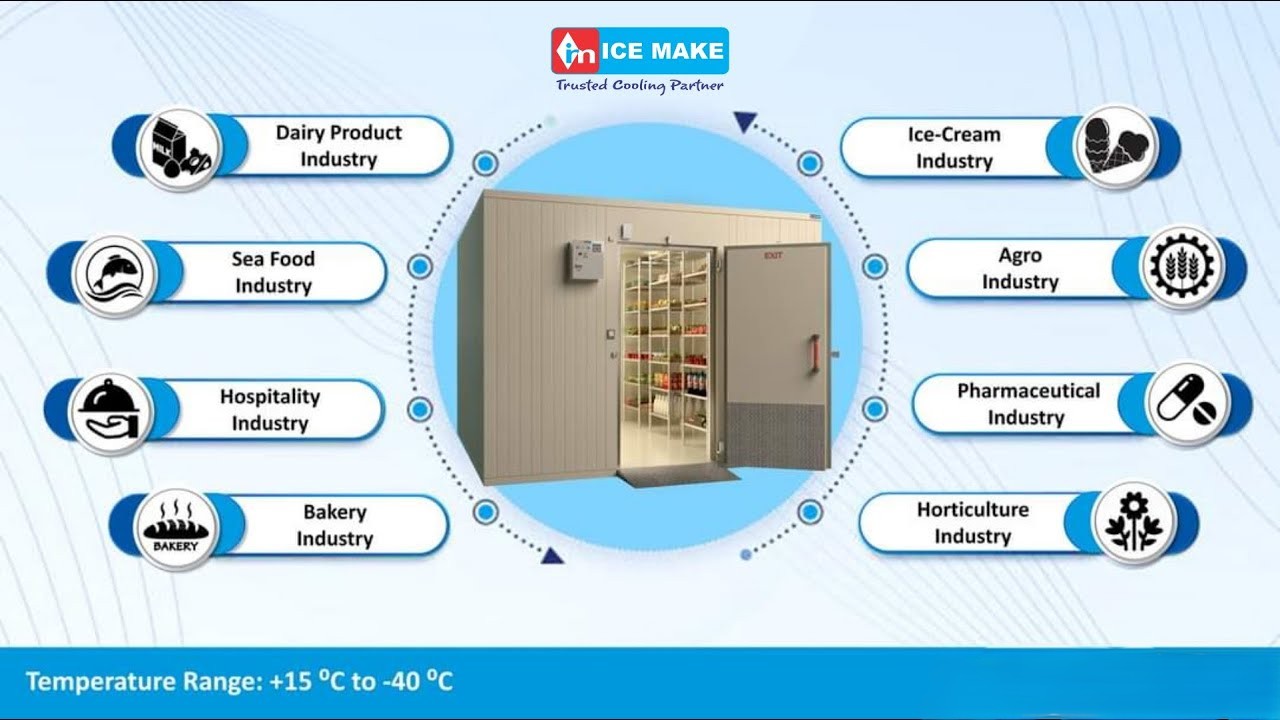
The pharmaceutical industry in Nepal faces a critical challenge that often goes unnoticed but directly impacts every patient who relies on medications: maintaining the integrity of temperature-sensitive drugs through sophisticated cold room storage systems. With Nepal's pharmaceutical demand growing at 12-15% annually, the role of proper cold storage has evolved from a convenience to an absolute necessity for protecting public health. The science behind pharmaceutical storage is unforgiving – vaccines lose their protective capabilities when exposed to improper temperatures, insulin becomes ineffective or harmful when frozen, and antibiotics can break down into dangerous compounds when stored incorrectly, making precise temperature control a matter of life and death rather than simple convenience. Nepal's unique geographic challenges compound these storage requirements, as the country's dramatic elevation changes from 60 meters in the Terai to over 8,000 meters in the Himalayas create temperature variations that can destroy pharmaceutical products during transport and storage without proper protection. The diverse climate zones, from tropical Chitwan to alpine Mustang, demand cold room technology that can maintain consistent internal temperatures regardless of external environmental conditions, while the country's improving but still unreliable power infrastructure requires backup systems and thermal mass design to protect medications during power outages. Modern pharmaceutical cold rooms have evolved beyond simple refrigeration into sophisticated monitoring and documentation systems that track temperature variations to fraction-of-degree precision, provide real-time alerts to healthcare providers through mobile devices, and create detailed audit trails required for regulatory compliance and quality assurance. The economic implications of pharmaceutical waste due to improper storage extend far beyond replacement costs, as temperature-damaged medications represent complete losses of healthcare investment that could otherwise support expanded patient care, with studies showing that 25% of vaccines worldwide are damaged by temperature exposure before reaching patients. The technology revolution in cold storage has introduced sensors capable of detecting minute temperature variations, communication systems that enable remote monitoring, and control systems that automatically adjust storage conditions to maintain optimal pharmaceutical environments, transforming passive storage into active, monitored systems that protect medication integrity around the clock. However, even the most advanced cold room technology depends on properly trained personnel who understand both operational procedures and the critical importance of pharmaceutical storage, making staff education and maintenance protocols essential components of effective cold storage systems. The ripple effects of proper pharmaceutical storage extend throughout Nepal's healthcare system, enabling reliable vaccine programs that prevent disease outbreaks, ensuring diabetic patients have access to effective insulin, and guaranteeing that life-threatening infections can be treated with potent antibiotics, ultimately strengthening healthcare delivery across all medical specialties. As Nepal's healthcare sector continues expanding and new biological medicines, personalized treatments, and advanced vaccines require increasingly sophisticated storage capabilities, the cold room infrastructure being developed today must accommodate both current needs and future pharmaceutical advances. The investment in sophisticated cold storage technology represents more than equipment acquisition – it demonstrates a commitment to healthcare quality that protects the integrity of medications from manufacturing facilities to patient administration, ensuring that every healthcare rupee invested achieves its maximum therapeutic benefit. The quiet revolution in pharmaceutical cold storage continues transforming healthcare delivery by protecting the molecular integrity of life-saving medications, with each properly stored vaccine, insulin dose, and antibiotic representing a success story in the battle against disease and illness. In Nepal's journey toward comprehensive healthcare coverage, pharmaceutical cold rooms serve as critical infrastructure that enables medical advances to reach every patient who needs them, making temperature-controlled storage a cornerstone of healthcare quality that supports the country's broader health development goals and ensures that growing pharmaceutical investments translate into improved patient outcomes across all geographic regions and economic levels.
Safeguarding Lives: How Cold Rooms Are Revolutionizing Pharmaceutical Storage in Nepal's Healthcare System
Every day, thousands of life-saving medications travel through Nepal's healthcare system, from bustling hospitals in Kathmandu to remote clinics in the mountains. What many don't realize is that these medications are engaged in a silent battle against time and temperature – a battle that determines whether they'll save lives or become useless compounds by the time they reach patients.
The Hidden Crisis in Healthcare
Walk into any pharmacy or hospital, and you'll see shelves lined with medications that represent millions of rupees in healthcare investment. But here's what's alarming: nearly one in four vaccines globally loses its effectiveness before reaching patients, simply because of temperature exposure. In Nepal, where healthcare resources are precious and patient needs are growing, this statistic isn't just concerning – it's a crisis hiding in plain sight.
The pharmaceutical cold chain represents one of healthcare's most critical yet underappreciated infrastructures. Unlike other industries where a few degrees won't make headlines, pharmaceutical storage operates in a world where temperature precision literally means the difference between life and death.
When Molecules Meet Reality
Pharmaceutical compounds are incredibly sophisticated structures that nature and science have perfected over millions of years of evolution and decades of research. These molecular structures are also surprisingly fragile. A vaccine that's exposed to heat for just a few hours can lose its ability to protect against disease. Insulin that freezes becomes not just ineffective but potentially harmful. Antibiotics that overheat can break down into compounds that might cause more harm than the original infection.
This molecular fragility creates an enormous challenge in a country like Nepal, where temperatures can vary dramatically within a single day's journey. A medication that starts its journey in the tropical heat of Chitwan might end up in the freezing temperatures of Mustang, experiencing temperature swings that would destroy most pharmaceutical products without proper protection.
Nepal's Geographic Puzzle
Nepal's stunning geographic diversity creates a logistical nightmare for pharmaceutical storage. The country compresses the climate zones of an entire continent into a space smaller than many Indian states. This means that a single healthcare distribution network must account for tropical heat, temperate valleys, and alpine cold – often within the same delivery route.
Traditional refrigeration simply can't handle these challenges. Standard refrigerators struggle with power fluctuations, can't maintain consistent temperatures during transport, and lack the monitoring capabilities needed to ensure pharmaceutical integrity. This is where sophisticated cold room technology becomes not just helpful, but essential.
The Power Challenge
Nepal's power infrastructure tells a story of progress and persistent challenges. While electricity access has improved dramatically, power outages remain a reality that pharmaceutical storage systems must accommodate. A cold room that depends entirely on grid power puts every stored medication at risk every time the lights go out.
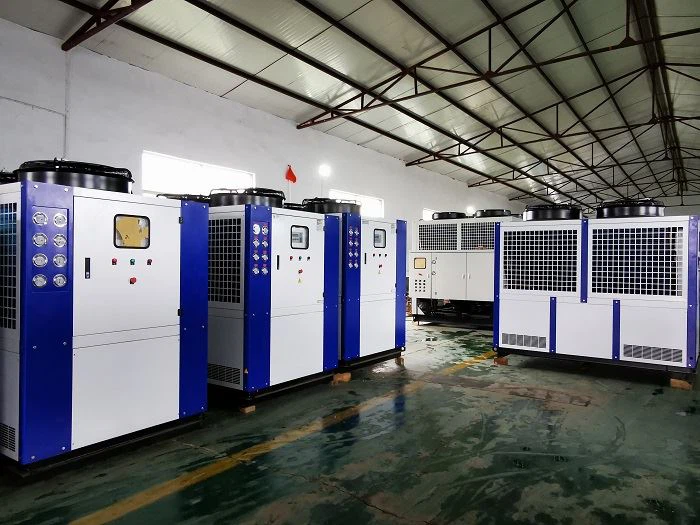
Modern pharmaceutical cold rooms address this challenge through thermal mass design and backup power systems. Think of thermal mass as a medication's insurance policy – properly designed cold rooms can maintain safe temperatures for hours without power, buying crucial time for backup systems to engage or power to be restored.
Beyond Temperature: The Documentation Imperative
The pharmaceutical industry operates under some of the world's strictest regulatory requirements, and for good reason. Every medication must be traceable through its entire journey, with detailed records proving that storage conditions were maintained within acceptable ranges. This requirement has transformed cold room technology from simple refrigeration into sophisticated monitoring and documentation systems.
These systems don't just keep medications cold – they create detailed audit trails that prove pharmaceutical integrity. When health authorities inspect a facility, when insurance companies investigate claims, or when healthcare providers need to demonstrate compliance, these records become crucial evidence that proper care was taken with patient medications.
The Economics of Pharmaceutical Waste
The financial impact of pharmaceutical waste extends far beyond replacement costs. When medications lose their effectiveness due to temperature exposure, the entire healthcare investment is lost. In Nepal's resource-constrained healthcare environment, these losses represent opportunities for expanded care that never materialize.
Consider the economics: a single dose of certain vaccines can cost several hundred rupees. If improper storage destroys even a small percentage of vaccine supplies, the financial impact quickly reaches millions of rupees annually. More importantly, these losses represent patients who don't receive needed treatments, creating ripple effects throughout the healthcare system.
Technology Revolution in Cold Storage
The evolution of pharmaceutical cold storage technology represents one of healthcare's quiet revolutions. Modern cold rooms incorporate sensors that can detect temperature variations measured in fractions of degrees, communication systems that send instant alerts to healthcare providers' mobile phones, and control systems that can automatically adjust conditions to maintain optimal storage environments.
These technological advances have transformed pharmaceutical storage from a passive process into an active, monitored system. Healthcare providers can now track storage conditions in real-time, receive immediate notifications of potential problems, and maintain detailed records that demonstrate proper pharmaceutical care.
Training the Human Element
Even the most sophisticated cold room technology depends on properly trained personnel. The human element in pharmaceutical storage remains crucial – from understanding proper loading procedures to recognizing early warning signs of equipment problems. In Nepal's healthcare environment, where technical support may be limited in remote areas, this human expertise becomes even more important.
Effective pharmaceutical storage requires healthcare workers who understand not just how to operate cold storage equipment, but why proper storage matters. This understanding transforms routine maintenance tasks into critical healthcare responsibilities, ensuring that technology and human expertise work together to protect pharmaceutical integrity.
The Ripple Effect of Proper Storage
When pharmaceutical cold storage works properly, its impact extends far beyond individual medications. Effective vaccine storage supports immunization programs that prevent disease outbreaks. Proper insulin storage enables diabetic patients to manage their conditions effectively. Reliable antibiotic storage ensures that life-threatening infections can be treated promptly and effectively.
These individual successes create cumulative impacts that strengthen entire healthcare systems. Communities with reliable pharmaceutical storage can depend on consistent medication availability, enabling healthcare providers to make treatment decisions based on medical need rather than storage limitations.
Future-Proofing Healthcare Infrastructure
As Nepal's healthcare sector continues evolving, pharmaceutical storage requirements will only become more sophisticated. New biological medicines, personalized treatments, and advanced vaccines will require even more precise temperature control and monitoring capabilities. The cold room infrastructure being built today must accommodate not just current needs, but future pharmaceutical advances.
This forward-thinking approach to pharmaceutical storage represents an investment in Nepal's healthcare future. By building robust cold storage infrastructure now, Nepal's healthcare system positions itself to take advantage of medical advances that require sophisticated storage capabilities.
The Promise of Protected Pharmaceuticals
The role of cold rooms in pharmaceutical storage represents more than just temperature control – it embodies a commitment to healthcare quality that extends from manufacturing facilities to patient bedside. Every medication that maintains its potency, every vaccine that retains its protective capability, and every treatment that delivers its intended therapeutic benefit represents a success story in pharmaceutical storage.
As Nepal works toward comprehensive healthcare coverage, the reliability of pharmaceutical cold storage becomes a cornerstone of healthcare quality. The investment in sophisticated cold room technology demonstrates recognition that healthcare infrastructure must support not just the delivery of medical services, but the integrity of the medications that make those services effective.
The quiet revolution in pharmaceutical cold storage continues transforming healthcare delivery, one properly stored medication at a time. In Nepal's journey toward world-class healthcare, these temperature-controlled environments represent a critical foundation that enables medical advances to reach every patient who needs them.