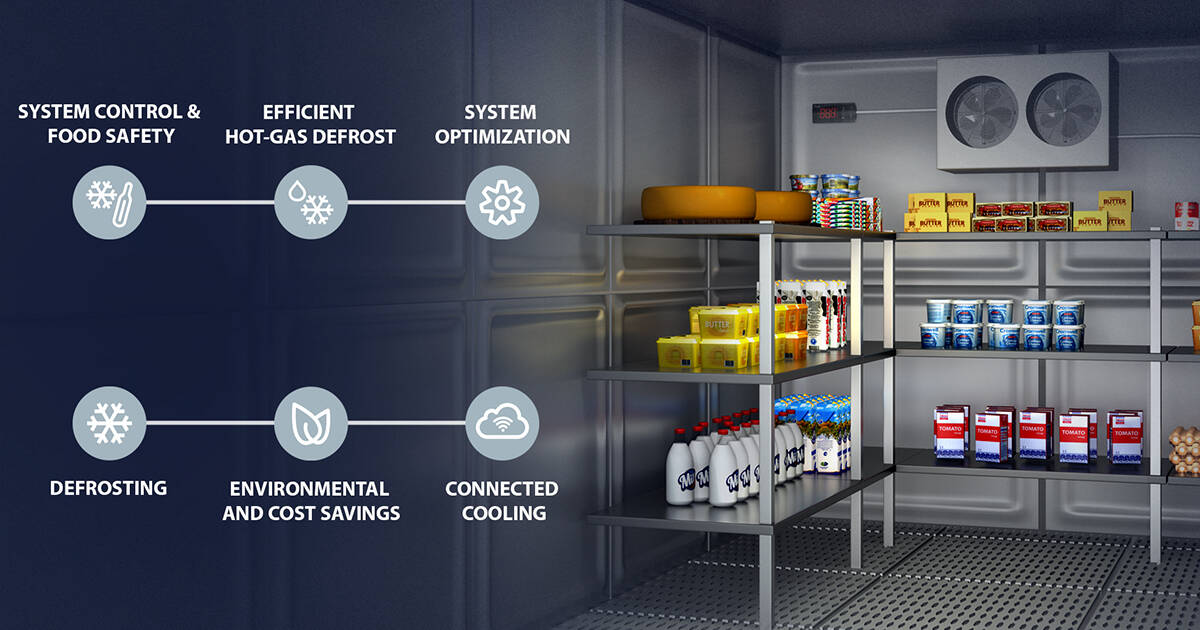
Smart monitoring converts a cold room from a sealed box into a living, accountable system. In Nepal’s reality—voltage dips, outages, rugged transport, and multiple sites—automated temperature and humidity logs with alerts help teams respond early and document what happened. This guide outlines what to monitor, how alerting and dashboards actually help, and how to roll out monitoring without disrupting operations. You’ll leave with a step-by-step checklist to get started.
Smart Temperature Monitoring for Nepal’s Cold Rooms: A Practical Guide for Food, Pharma, and Floriculture
Introduction
Cold chain success isn’t just about chilling equipment—it’s about proof that conditions stayed in range. In Nepal, that proof can’t rely on a single wall thermometer and a busy staff member with a clipboard. Smart monitoring—sensors, data logging, and simple alerts—gives owners and operators eyes on every chamber, even when power flickers or doors cycle constantly. As the authorized ICEMAKE partner in Nepal, RM Agrotech helps businesses make monitoring practical, auditable, and easy to live with.
Market Reality / Pain Points
- Power variability: Brownouts, outages, and generator transitions can push chambers off setpoint.
- Manual record gaps: Paper logs get rounded, skipped, or misplaced—leaving no timeline for root-cause analysis.
- Frequent door openings: Retail, kitchens, and dispatch areas see rapid swings without anyone noticing.
- Multi-site oversight: Owners manage locations spread across the Valley, Terai, and hill towns.
- Compliance expectations: Food and pharma sectors increasingly expect time-stamped temperature histories and corrective-action notes.
How the Solution Works
1) Sensing layer: Place digital probes at representative points—near the door, coil return, and the room’s typical warm spot. For sensitive products, add a humidity sensor.
2) Controller / gateway: Data flows to a local controller and onward to a dashboard (on-prem or cloud).
3) Alerting: SMS/push/email alerts trigger when thresholds exceed limits for a defined duration (filters avoid false alarms from quick door cycles).
4) Data logging: Continuous time-stamped records support audits, trend analysis, and seasonal adjustments.
5) Dashboard: One screen shows all rooms across multiple sites; color-coded status helps non-technical staff respond quickly.
6) Reports: Auto-generated weekly summaries highlight excursions, responses, and preventative actions.
Features & Advantages
- Early warning: Teams act before issues become losses.
- Evidence for audits: Time-stamped logs and notes show due diligence.
- Behavior insights: See how door habits, defrost timing, or loading patterns affect temperature stability.
- Multi-site management: Owners compare sites, spot drift, and standardize good practice.
- Retrofit-friendly: Wireless or wired sensors can be added to existing ICEMAKE or other systems.
Nepal Use-Cases / Sectors
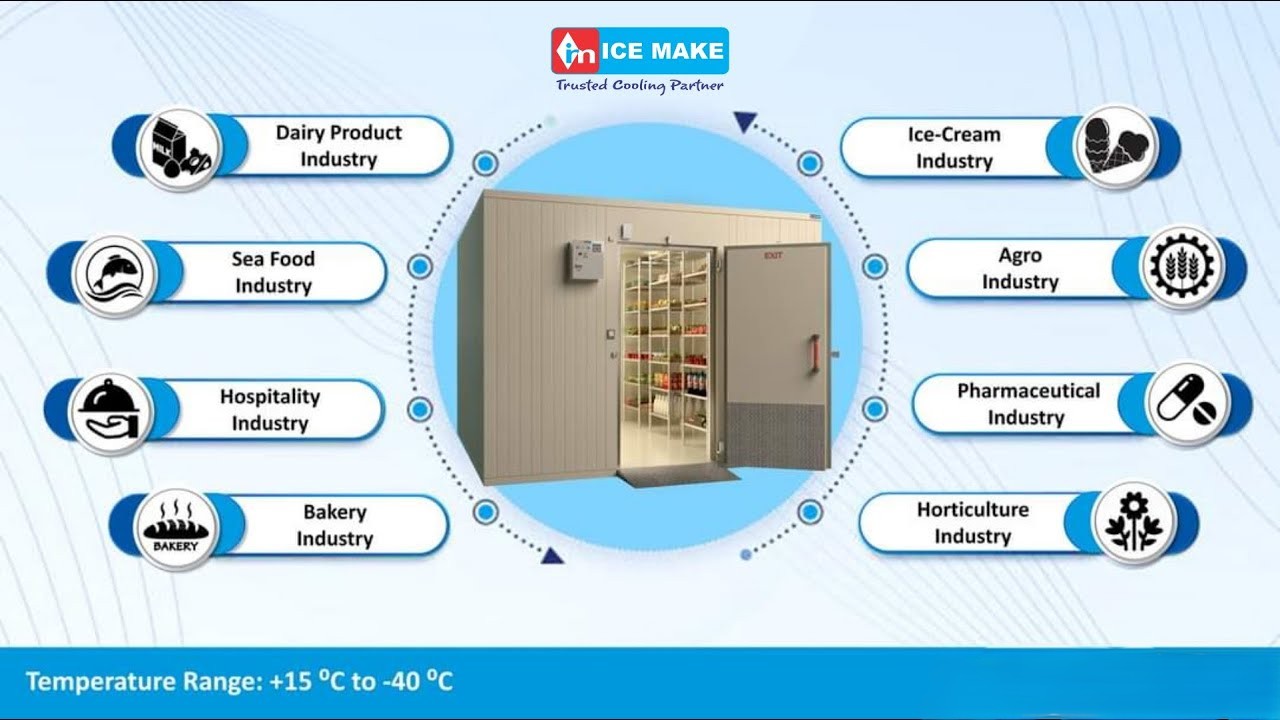
- HoReCa & cloud kitchens: Monitor prep rooms, chillers, dessert fridges, and blast-chill cycles.
- Dairy and meat/poultry processors: Track chill tunnels, aging rooms, and cold storage.
- Retail & convenience: Watch freezer islands and back-of-house rooms with heavy door traffic.
- Pharma & clinics: Maintain batch-level proof for medicines and vaccines.
- Floriculture: Stabilize temperature and humidity for cut flowers in Kathmandu and beyond.
Operations & Best Practices
- Sensor placement: Combine a door-adjacent probe, a coil-return probe, and one at the warmest point.
- Alarm logic: Use absolute thresholds plus time delays to reduce noise.
- Daily habit: Review overnight alerts at opening; record actions taken.
- Weekly review: Spot slow creep from frosting coils, worn gaskets, or overloaded racks.
- Calibration plan: Check against a reference thermometer every 6–12 months.
- Power hygiene: Keep controller on a stabilizer/UPS so logs continue through brief outages.
- Team training: Rotate a short acknowledge-and-note drill across shifts.
Compliance & Quality
Monitoring supports HACCP-style temperature controls, aligns with DFTQC expectations for hygienic handling and documentation, and helps food businesses maintain ISO 22000–aligned records. For pharma, smart logs and alarms support Good Distribution Practice (GDP) expectations, including traceable corrective actions.
Sustainability / Energy Considerations
Defrost and door discipline: Data reveals when doors are left open or defrosts aren’t optimized. Setpoint realism: Monitoring provides confidence to set appropriate targets. Preventive care: Early detection of frost or fan issues avoids energy-wasting operation.
Benefits / Outcomes
Lower risk of product deviation through fast response. Consistent quality supported by stable conditions. Fewer surprises for managers across sites. Audit readiness with clear histories. Calmer operations because alerts are rational and actionable.
Implementation with RM Agrotech × ICEMAKE
As the authorized ICEMAKE partner in Nepal, RM Agrotech designs monitoring around your workflow—sensors, thresholds, dashboards, and SOPs in Nepali/English. We integrate with ICEMAKE controls or add retrofit loggers, commission dashboards, train staff, and provide on-ground service.
Checklist
- Identify priority rooms and setpoints.
- Map 2–3 sensor positions per room.
- Define alarm thresholds and recipients.
- Plan data retention and report format.
- Provide stabilizer/UPS for controllers.
- Calibrate sensors and document SOPs.
- Train teams to acknowledge alerts and log actions.
Call to Action
Want clear visibility across your cold rooms? Speak with RM Agrotech (authorized ICEMAKE partner in Nepal) for a practical monitoring plan that fits your sites and staff—without disrupting daily production.