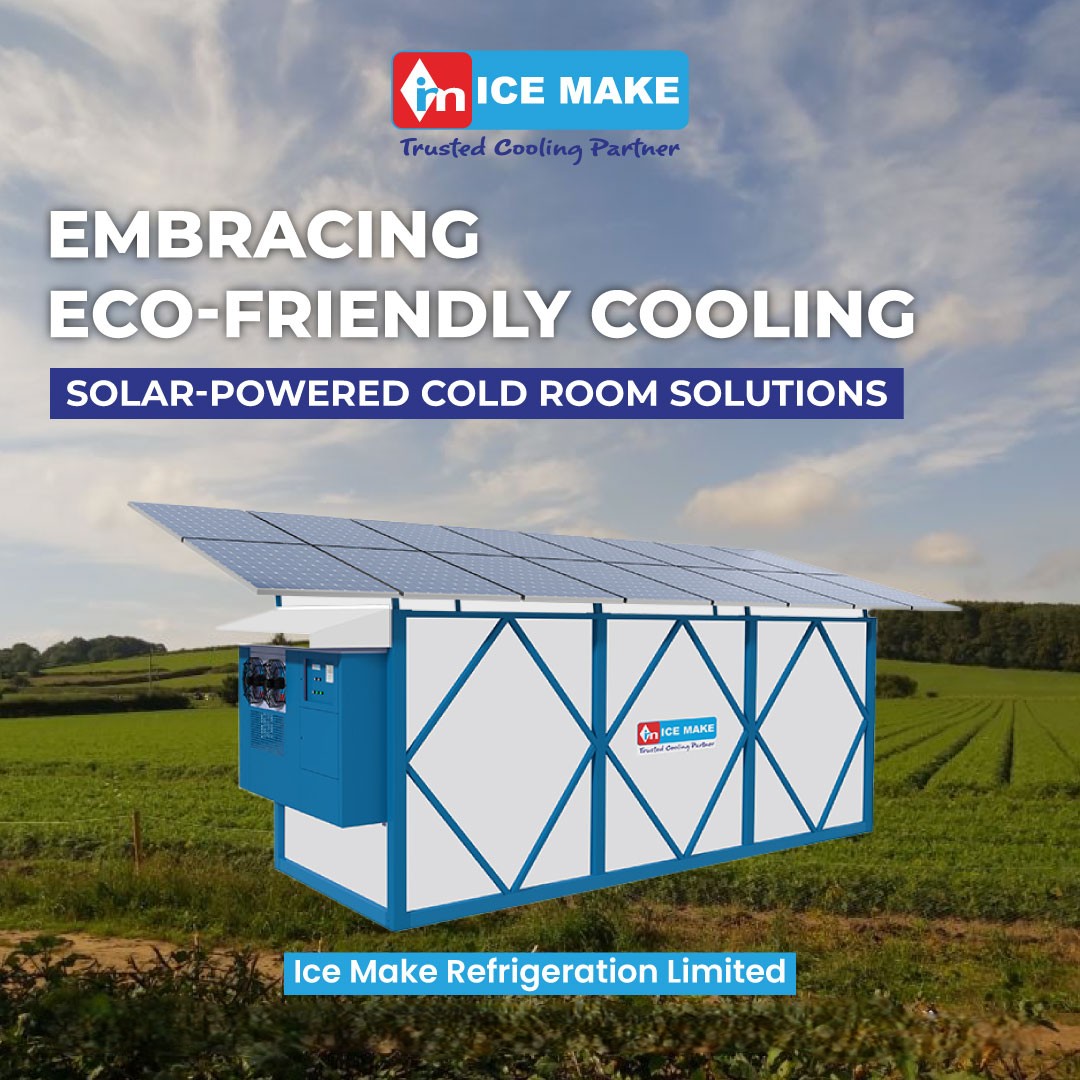
Pairing solar with efficient rooms for dependable cooling in Nepal’s grid‑constrained regions.
Solar‑Powered Cold Storage: Reducing Costs While Preserving Harvests
Turn sunlight into steady cooling with RM Agrotech. #SolarColdChain
Introduction: Cooling Off‑Grid and On‑Edge Grids:
Solar aligns with cooling demand—hotter days bring more sun and more harvest intake. A solar‑hybrid room captures that synergy when designed correctly.
RM Agrotech Solar‑Hybrid Stack:
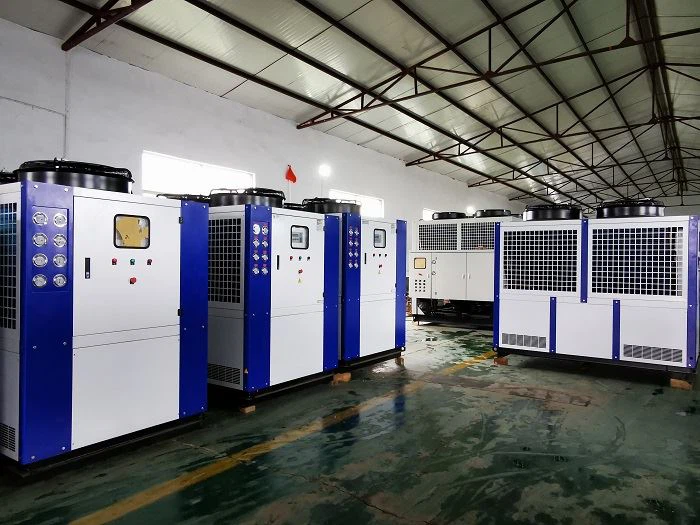
- Insulation first; then efficient compressors and EC fans.
- PV arrays sized to daytime load with allowance for pre‑cooling.
- Battery or ice storage for nights and clouds.
- Hybrid inverters with soft‑start logic and monitoring.
Load Reduction Before Panels:
Fix leaks, add curtains, and train teams to load fast. The cheapest kWh is the one you never have to make.
Monitoring & Control:
Dashboards track temperature, door status, and energy. Defrost and heavy pulls should coincide with solar peaks.
Safety & Site Prep:
Secure mounts, cable protection, proper earthing, and clear roof drainage keep systems reliable through seasons.
Bottom line
Done right, solar makes cooling steady and affordable. RM Agrotech handles the design details so produce stays protected.
Frequently Asked Questions (FAQ)
Can a solar‑hybrid room run through the night?:
Yes, with battery or thermal (ice) storage sized to your load. Pre‑cool harder during sunny hours.
Battery vs. ice‑bank—which is better?:
Batteries store electricity; ice‑banks store ‘cold’. Many sites use both for resilience.
How much roof area do I need?:
Depends on load and solar yield; expect several dozen square meters for small rooms—sized after a load audit.
What about monsoon months and dust?:
Performance dips in cloudy weeks and with dirty panels; plan cleaning and sufficient storage.
Can I still use the grid or generator?:
Yes. Hybrid controllers prioritize PV, then grid or generator as needed.
Do I need special inverters?:
Use hybrid inverters with soft‑start for compressors and multi‑input control.
How long do panels last?:
Quality PV modules last 20–25 years with gradual output decline.
Is lightning protection required?:
Yes. Proper earthing and surge protection are essential.
Looking to design, install, or upgrade a reliable cold-chain system in Nepal? Talk to RM Agrotech for site assessment, right-sizing, and end-to-end support.