Starting a dry food business in Nepal with heat pump dehydrators is a smart way to turn local fruits, vegetables, and herbs into high‑value products that sell all year. With the right setup, you can start small, control your costs, and still build a brand that looks and feels professional.
Why dry food in Nepal?
Urban consumers, trekkers, and busy families in Nepal are buying more ready‑to‑use dried fruits and vegetables for snacks and quick cooking, which is driving steady growth in the country’s dried food segment. At the same time, national food system strategies emphasize agro‑processing and value addition, so a drying business fits directly into broader policy priorities for nutrition, rural income, and reduced post‑harvest loss. Drying also helps you capture value from seasonal surplus—like tomatoes, apples, or leafy vegetables—by converting them into light, shelf‑stable products that are easier to store, transport, and export.
How heat pump dehydrators help
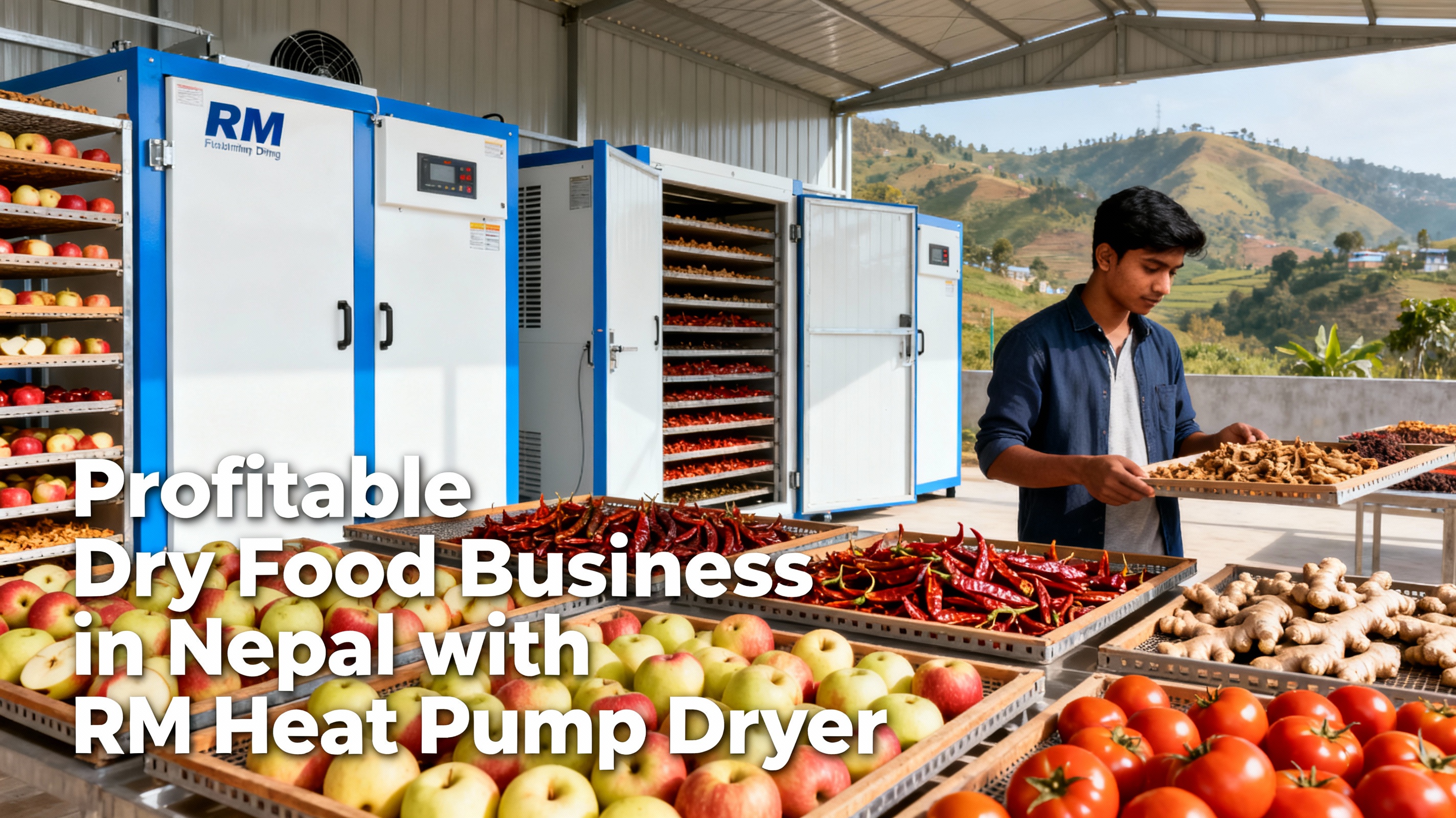
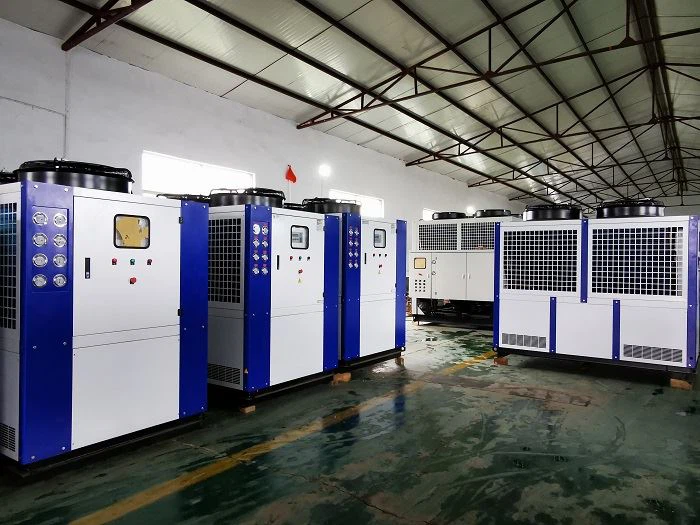
A heat pump food dehydrator is essentially a smart, closed‑loop dryer that circulates warm, very dry air over your product while recovering and reusing most of the heat, so moisture is removed efficiently without scorching the food. Because it runs at controlled, relatively low temperatures, it preserves color, flavor, and nutrients much better than many traditional high‑temperature dryers or uneven sun‑drying. The real advantage for a small business is that these systems typically use significantly less electricity per kilogram of dried product, and several models are already available in Nepal, so you can adopt proven technology without designing or importing a custom system yourself.
From raw material to market
To get started, focus first on what you can source reliably—such as apples and lapsi in hill districts, or vegetables, chilies, and herbs in the Tarai—and build simple supply agreements with nearby farmers or cooperatives so your dryer stays busy during harvest. Set up a clean, logical workflow for washing, cutting, loading trays, drying, checking moisture, and packing in airtight, moisture‑proof pouches, and then standardize temperature, slice thickness, and time so you can repeat the same quality batch after batch. In the Nepali context, strong product ideas include mixed fruit chips, banana or apple slices, lapsi snacks, onion and garlic flakes, dried tomatoes, mixed vegetables for trekking meals, herbal teas, and spice mixes, which you can sell through kirana shops, supermarkets, hotels, trekking agencies, and online platforms depending on how you position your brand and price point.
R.M Agrotech: your local partner
R.M Agrotech Pvt. Ltd., based in Nepal, can act as the technology partner that makes this kind of dry food business easier to launch by supplying modern heat pump food dryers along with local technical support. The company is an authorized dealer of Ice Make Refrigeration Ltd. (India) and offers a range of Ice Make heat pump dryers—from compact units like the HPD0020 to larger, high‑capacity systems—designed for fruits, vegetables, herbs, and spices. Beyond selling machines, R.M Agrotech helps with model selection, installation, basic training, and after‑sales service in Nepal, so entrepreneurs, cooperatives, and food processors can focus on sourcing crops, developing products, and building markets while relying on energy‑efficient drying technology that delivers consistent quality and lower operating costs.