The Battle Against Spoilage: How Cold Solutions Save Fresh Produce
10 Jul, 2025
Updated on: 10 Jul, 2025
Nepal's agricultural sector faces a critical challenge that threatens both economic prosperity and food security. Despite employing over 65% of the population and producing abundant fresh produce across diverse climate zones, nearly 40% of harvested food is lost to spoilage due to inadequate storage and handling practices. This translates to millions of rupees in annual losses for farmers and higher food prices for consumers, particularly during harvest seasons when markets are flooded with perishable goods.
The problem is amplified by Nepal's unique geographic and climatic conditions. The sweltering heat of the Terai region can cause leafy greens to wilt within hours, while monsoon humidity creates ideal conditions for mold and bacterial growth. Traditional storage methods, though culturally significant, prove insufficient against these environmental pressures, leaving farmers watching helplessly as their produce deteriorates within days of harvest.
The Battle Against Spoilage: How Cold Solutions Save Fresh Produce
In the heart of Nepal's agricultural economy, a silent battle rages daily against one of the most persistent enemies of food security: spoilage. While our fertile valleys and terraced hillsides produce abundant fresh produce, a staggering amount never reaches the consumer's table. The battleground spans from remote farming communities to bustling urban markets, and the weapon of choice in this fight is increasingly sophisticated cold storage technology.
The Scale of the Problem in Nepal
Nepal's agricultural sector employs over 65% of the population and contributes significantly to the national economy. However, according to the Food and Agriculture Organization (FAO), nearly 40% of food produced globally is wasted due to poor storage and handling, and Nepal faces similar challenges. In our context, this translates to millions of rupees in lost income for farmers and increased food prices for consumers.
The problem is particularly acute during harvest seasons when markets are flooded with fresh produce. Farmers in regions like Chitwan, Kaski, and Bardiya often watch helplessly as their perfectly good vegetables and fruits deteriorate within days of harvest due to inadequate storage facilities. The ripple effects extend far beyond individual farms, impacting food security, economic stability, and environmental sustainability.
Understanding the Science of Spoilage
Fresh produce deterioration follows predictable patterns driven by biological processes. Fruits and vegetables continue to "breathe" after harvest through respiration, consuming stored sugars and producing heat, carbon dioxide, and water vapor. Higher temperatures accelerate these processes exponentially, meaning that a tomato stored at 25°C will spoil four times faster than one stored at 5°C.
Nepal's diverse climate zones present unique challenges. The sweltering heat of the Terai region can cause leafy greens to wilt within hours, while the humid conditions during monsoon season create perfect breeding grounds for mold and bacteria. Traditional storage methods, though culturally significant, often prove inadequate against these environmental pressures.
How Cold Storage Solutions Transform the Battle
Precision Temperature Control
Modern cold storage systems maintain optimal temperatures for different produce types. Leafy vegetables thrive at 0-2°C, while tropical fruits require 10-15°C. ICE Make's advanced refrigeration systems provide this precision, extending shelf life from days to weeks.
Humidity Management
Proper humidity levels prevent both dehydration and excess moisture accumulation. ICE Make's systems incorporate humidity control features that maintain the delicate balance required for different produce types.
Ethylene Gas Management
Many fruits produce ethylene gas, which accelerates ripening and spoilage. Advanced cold storage solutions include ethylene scrubbers and controlled atmosphere technology to manage this natural process.
Rapid Cooling Capabilities
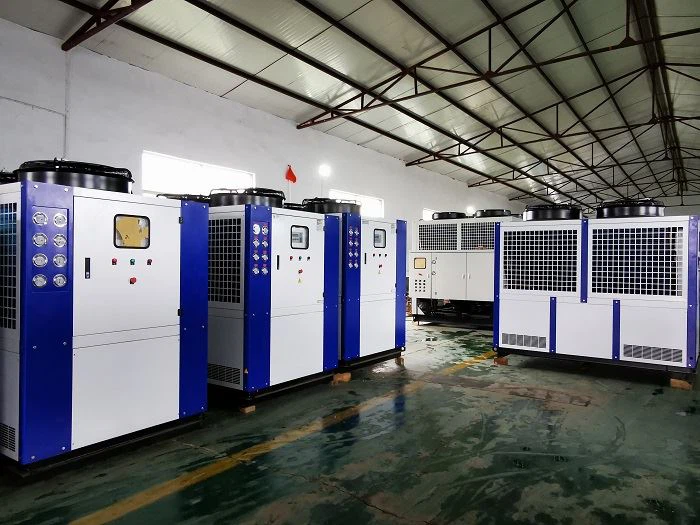
The faster produce reaches optimal storage temperature, the longer it will last. ICE Make's blast chillers can rapidly reduce product temperature, immediately slowing spoilage processes.
ICE Make: Engineering Victory Against Spoilage
ICE Make has established itself as a leader in cold storage innovation, offering solutions specifically designed for fresh produce preservation. Their comprehensive range addresses every aspect of the cold chain:
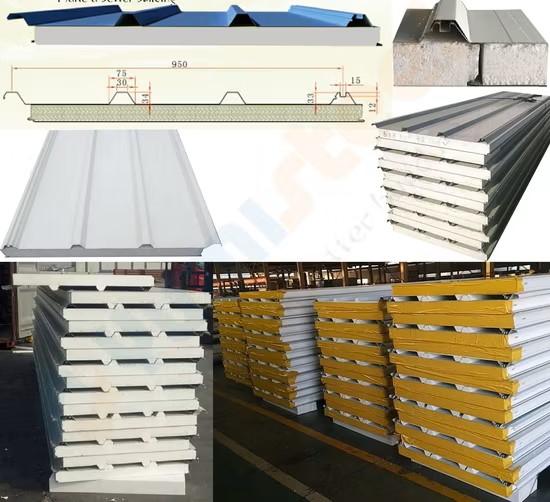
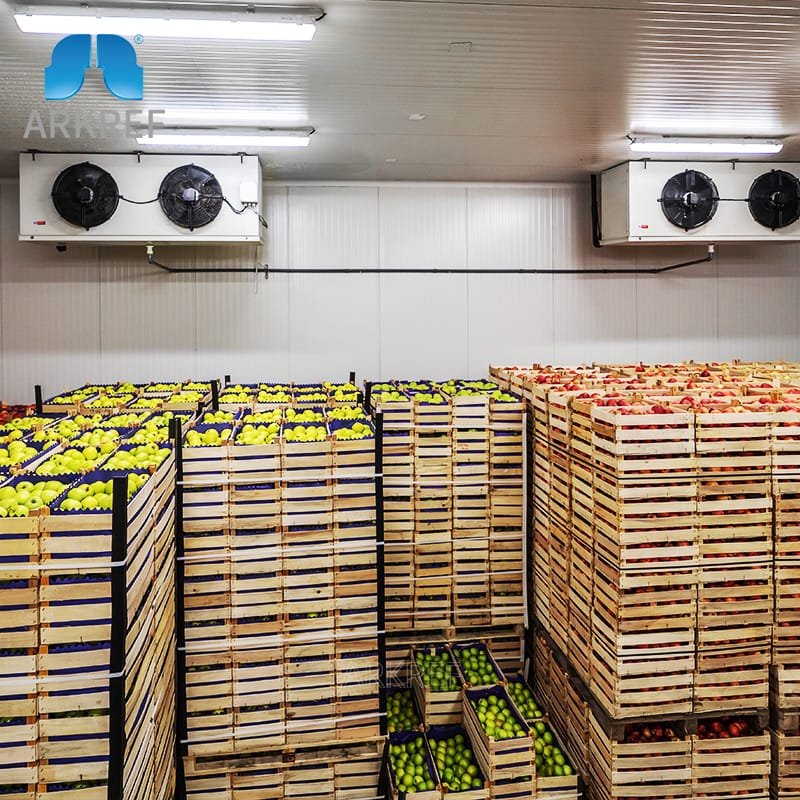
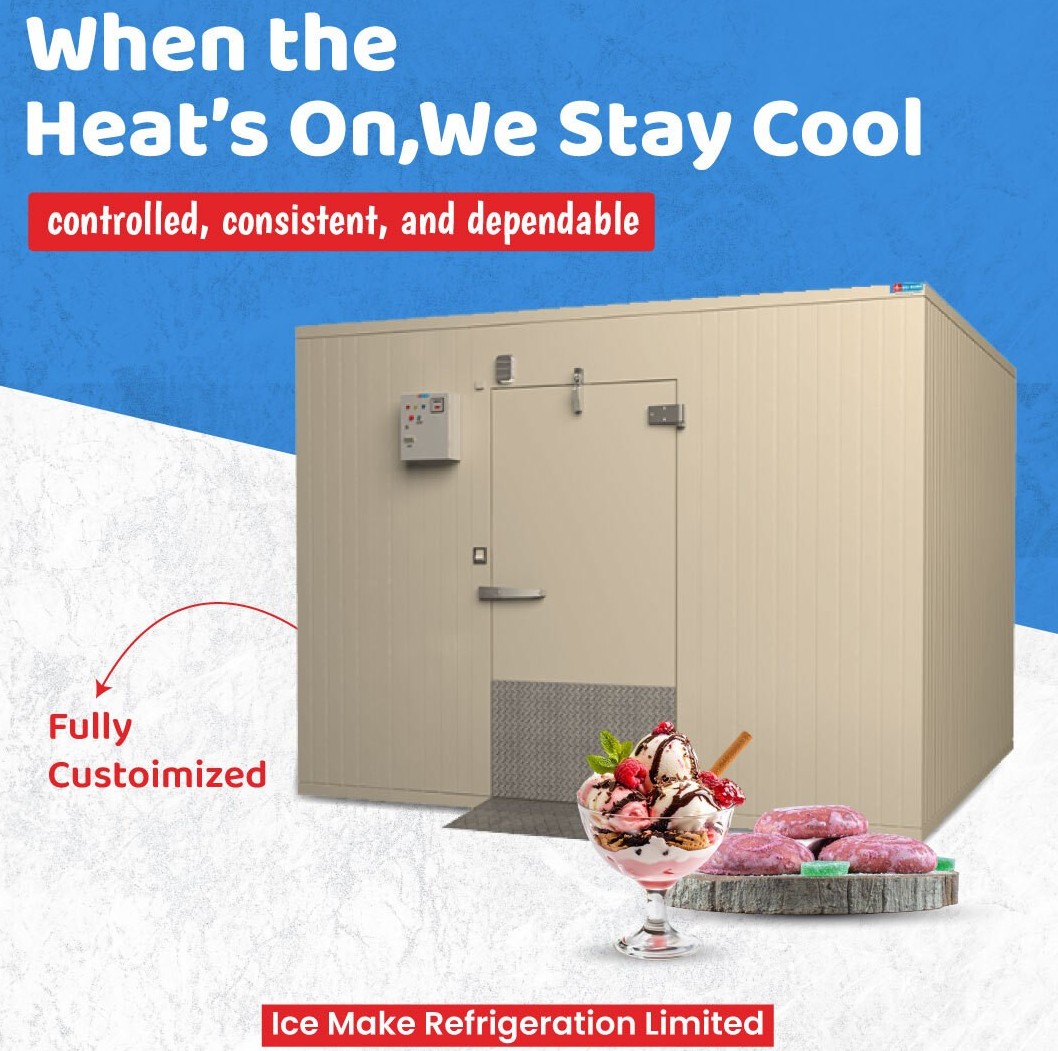
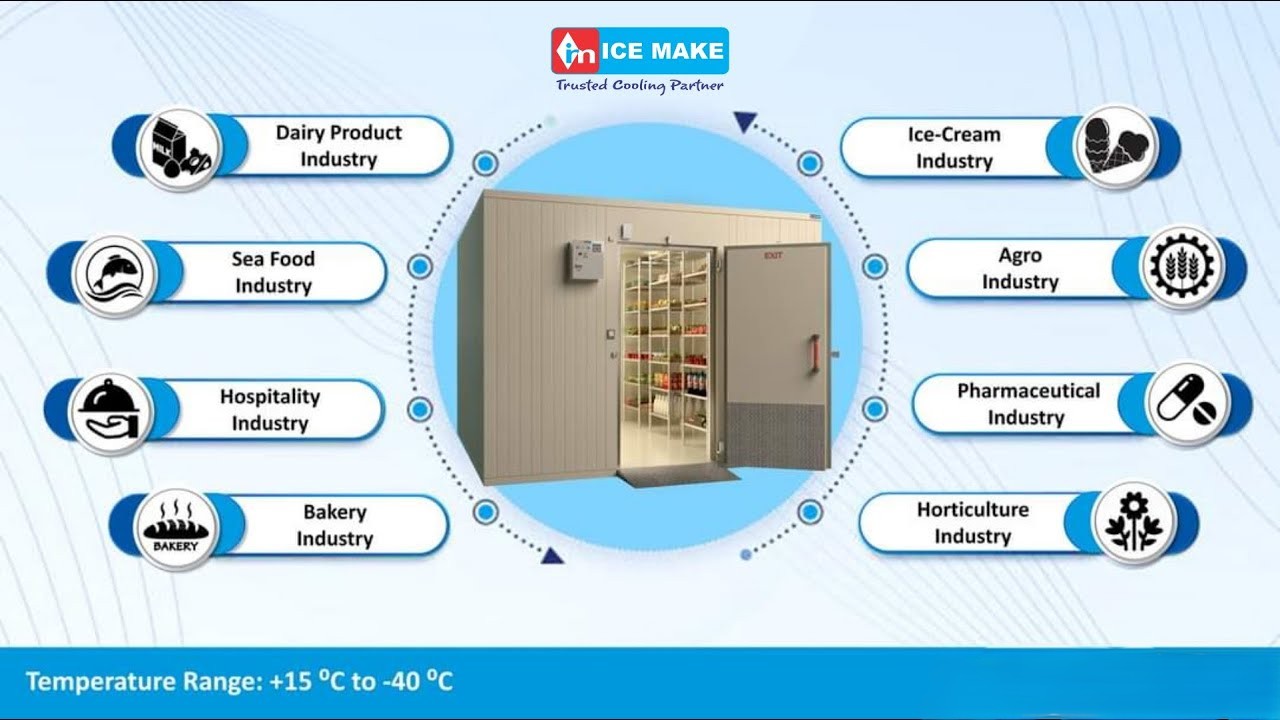
Cold Storage Rooms: Customizable environments for bulk storage of diverse produce types, perfect for wholesale markets and large-scale operations.
Pre-Cooling Systems: Rapid temperature reduction technology that removes field heat immediately after harvest, dramatically extending shelf life.
Controlled Atmosphere Storage: Advanced systems that manage oxygen and carbon dioxide levels alongside temperature, ideal for long-term storage of apples, potatoes, and other hardy produce.
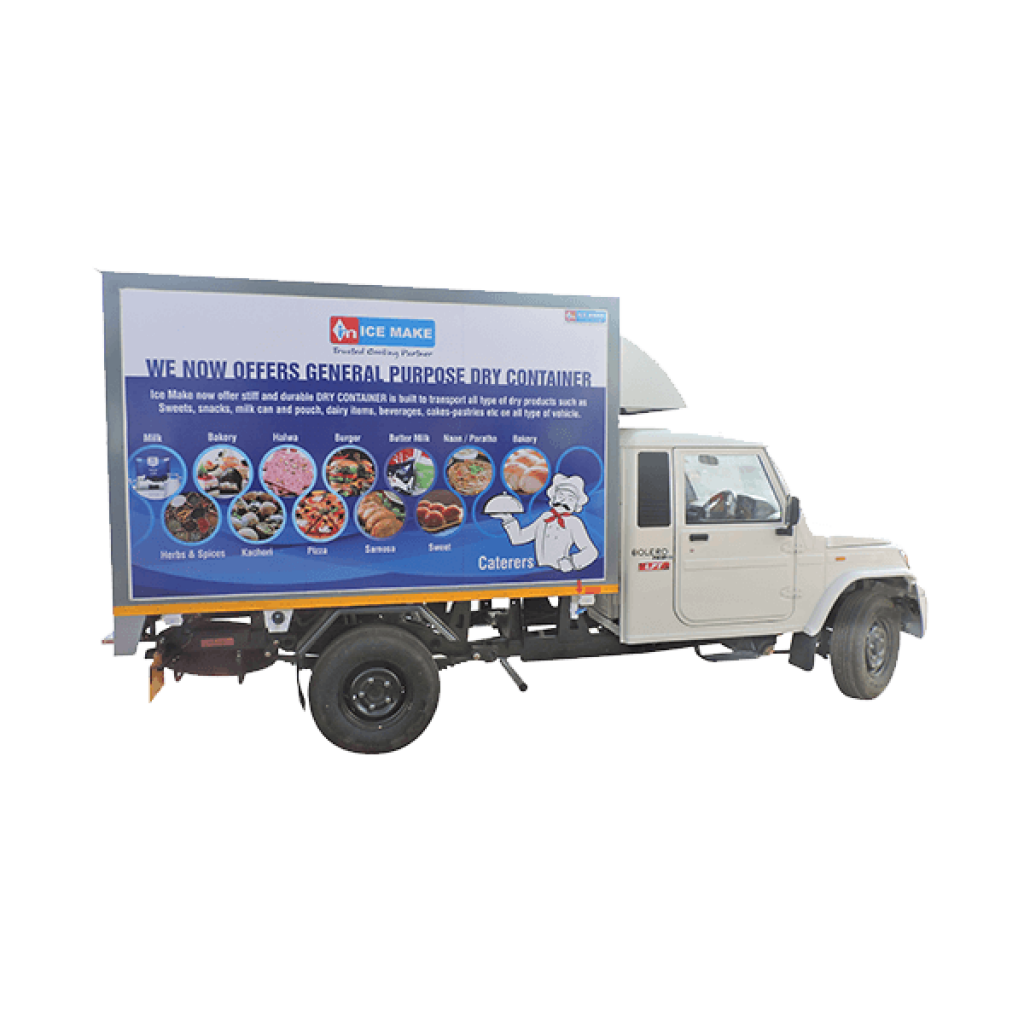
Mobile Cold Storage Units: Portable solutions that bring refrigeration directly to remote farming areas, bridging the gap between field and market.
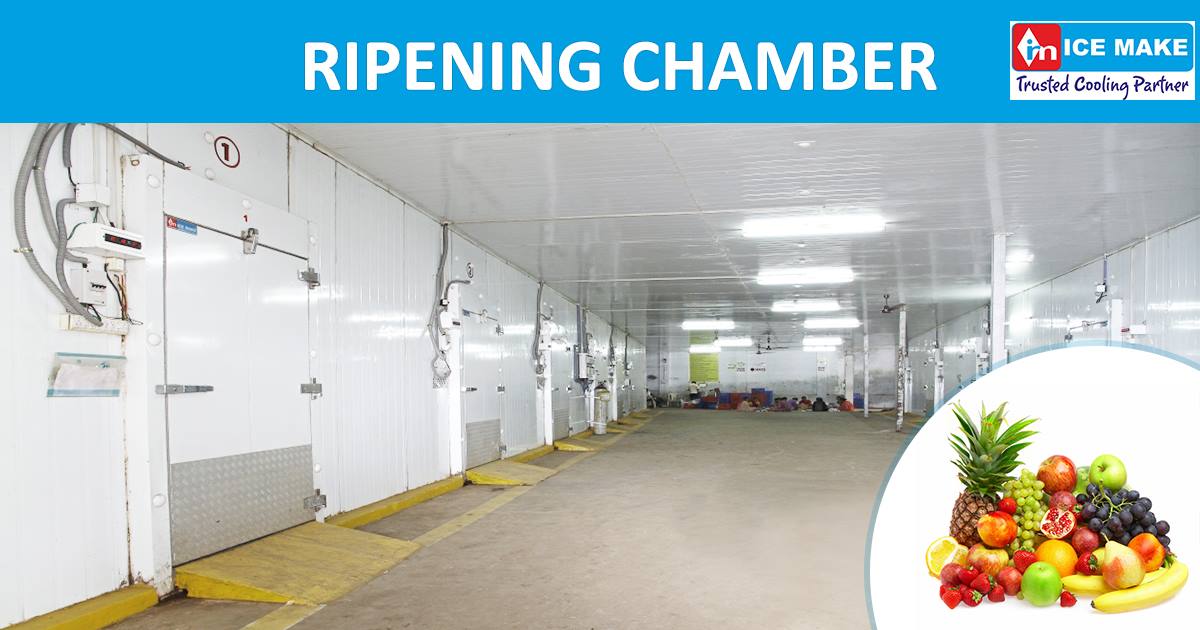
Ripening Chambers: Controlled environments that allow for planned ripening of fruits like bananas and mangoes, ensuring consistent quality and extended marketing windows.
RM Agro Tech: Your Strategic Partner in Nepal
As the authorized dealer of ICE Make products in Nepal, RM Agro Tech brings invaluable local expertise to the battle against spoilage. Their deep understanding of Nepal's agricultural landscape, combined with technical proficiency in cold storage solutions, makes them the ideal partner for businesses looking to reduce post-harvest losses.
RM Agro Tech's specialized services include:
Site Assessment and Design: Customized cold storage solutions that account for Nepal's unique geographic and climatic challenges, from the hot plains of the Terai to the cool mountain valleys.
Installation and Commissioning: Professional setup ensuring optimal performance from day one, with particular attention to power stability and backup systems crucial in Nepal's electrical grid.
Training and Capacity Building: Comprehensive programs that teach farmers and businesses best practices for cold storage management, maximizing the return on investment.
Maintenance and Support: Ongoing technical support with local spare parts availability, ensuring minimal downtime during critical harvest periods.
Financing Solutions: Flexible payment options and assistance with agricultural loan applications, making cold storage accessible to small and medium-scale operations.
Calculating Your Spoilage Reduction Impact
Understanding the financial benefits of cold storage investment requires careful analysis of your current losses and projected savings. Here's how to assess your specific situation:
Step 1: Quantify Current Spoilage Losses
Daily Spoilage Assessment:
Track daily produce waste for one complete harvest cycle
Calculate average spoilage percentage by product type
Success Stories from Nepal's Cold Storage Revolution
Farmers and businesses across Nepal are already winning the battle against spoilage through strategic cold storage investments. A cooperative in Chitwan reported 75% reduction in post-harvest losses after installing ICE Make cold storage systems through RM Agro Tech. Their ability to store vegetables for extended periods allowed them to access premium markets in Kathmandu, increasing their profit margins by 40%.
Similarly, a fruit processing company in Pokhara eliminated seasonal supply disruptions by implementing controlled atmosphere storage for apples and other fruits. This consistency in raw material availability allowed them to expand their product line and secure year-round contracts with major retailers.
The Technology Advantage: Smart Cold Storage
Modern cold storage solutions go beyond simple refrigeration. ICE Make's smart systems include:
IoT Monitoring: Real-time temperature and humidity tracking with smartphone alerts, ensuring immediate response to any deviations.
Predictive Maintenance: Advanced diagnostics that identify potential issues before they cause system failures, crucial during peak harvest seasons.
Energy Optimization: Intelligent systems that minimize power consumption while maintaining optimal storage conditions, important in Nepal's expensive electricity market.
Data Analytics: Comprehensive reporting that helps optimize storage practices and predict optimal selling times.
Environmental and Social Impact
The battle against spoilage extends beyond individual profit margins. Reduced food waste means:
Environmental Benefits: Lower carbon footprint from reduced transportation of spoiled goods, decreased landfill waste, and more efficient resource utilization.
Food Security: More produce reaches consumers, improving nutrition availability and reducing import dependence.
Economic Development: Increased farmer incomes, job creation in cold storage operations, and strengthened agricultural value chains.
Export Opportunities: Consistent quality and extended shelf life enable access to international markets, bringing foreign currency to Nepal.
Implementing Your Cold Storage Strategy
Success in the battle against spoilage requires a comprehensive approach:
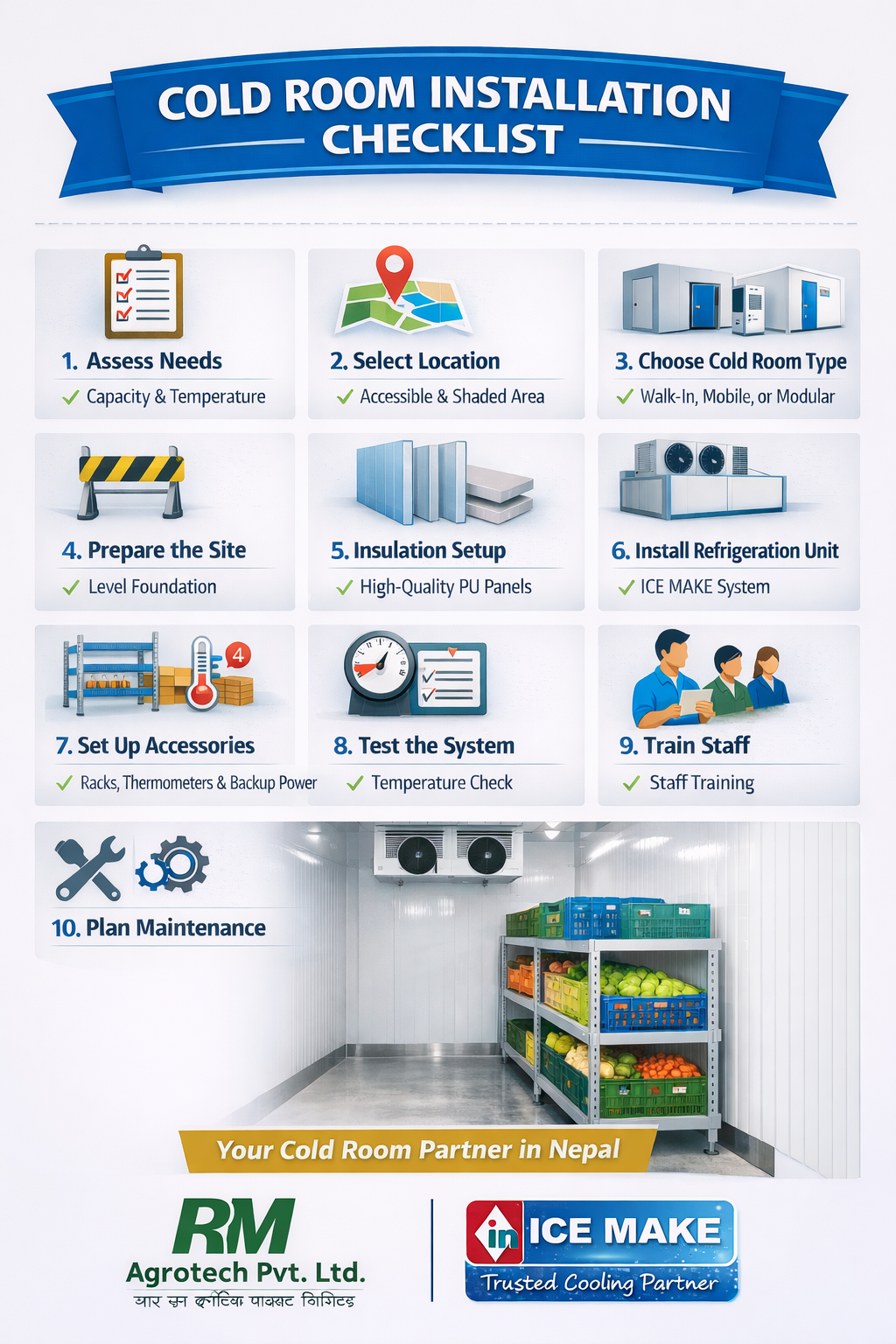
Phase 1: Assessment and Planning
Conduct detailed spoilage analysis for your specific produce
Evaluate current storage facilities and identify gaps
Consult with RM Agro Tech for professional assessment
Phase 2: System Selection and Design
Choose appropriate ICE Make systems for your needs
Design layout for optimal workflow and efficiency
Plan for future expansion and seasonal variations
Phase 3: Installation and Training
Professional installation by RM Agro Tech's certified technicians
Comprehensive training for operational staff
Establish maintenance schedules and emergency protocols
Phase 4: Optimization and Scaling
Monitor performance and adjust practices based on data
Expand capacity as business grows
Explore value-added opportunities like processing and packaging
The Future of Fresh Produce in Nepal
The battle against spoilage is not just about preserving food; it's about building a sustainable, profitable, and resilient agricultural sector. As Nepal continues to modernize its agricultural practices, cold storage technology will play an increasingly vital role in ensuring food security and economic prosperity.
ICE Make's innovative solutions, combined with RM Agro Tech's local expertise, offer a clear path forward. The technology exists, the expertise is available, and the economic benefits are proven. The question is not whether cold storage can save fresh produce – it's whether you're ready to join the battle.
Take Action: Win Your Battle Against Spoilage
Every day of delayed action represents continued losses and missed opportunities. The spoilage battle is happening now, and the tools for victory are within reach.
Contact RM Agro Tech today to begin your cold storage journey. Their team of experts will assess your specific needs, recommend the optimal ICE Make system configuration, and provide a detailed analysis of your spoilage reduction potential.
Don't let another harvest season pass watching your hard work deteriorate. Join the growing number of Nepali farmers and businesses who have chosen to fight spoilage with science, technology, and strategic planning.
Ready to transform your fresh produce operations? Contact RM Agro Tech, the authorized ICE Make dealer in Nepal, for a comprehensive spoilage assessment and discover how cold storage solutions can save your fresh produce – and your profits.
In the battle against spoilage, every degree matters, every hour counts, and every investment in cold storage technology is an investment in Nepal's agricultural future.