Operating a cold room effectively after installation requires vigilant monitoring during the critical first 48 hours to establish baseline performance, followed by proactive management of common issues including temperature fluctuations caused by poor door seals or overloading, ice buildup on evaporator coils due to high humidity or frequent door openings, compressor short cycling from dirty condenser coils, excessive energy consumption from inadequate insulation, and door malfunctions from misaligned hinges or worn seals. Success depends on implementing a comprehensive preventive maintenance schedule with weekly inspections, monthly coil cleaning, and quarterly professional servicing, while training staff on proper usage protocols and maintaining detailed operational logs to identify problems before they escalate. Most issues can be resolved through proper door seal maintenance, capacity management, regular cleaning, and appropriate defrost cycle settings, though refrigerant leaks, electrical problems, or persistent temperature control failures require immediate professional intervention. The investment in proper operation and maintenance practices pays dividends through reduced energy costs, fewer emergency repairs, and reliable inventory protection, ensuring your cold room serves as a dependable business asset rather than a source of costly operational headaches.
The Complete Guide to Operating Your Cold Room After Installation: Problems, Solutions, and Best Practices
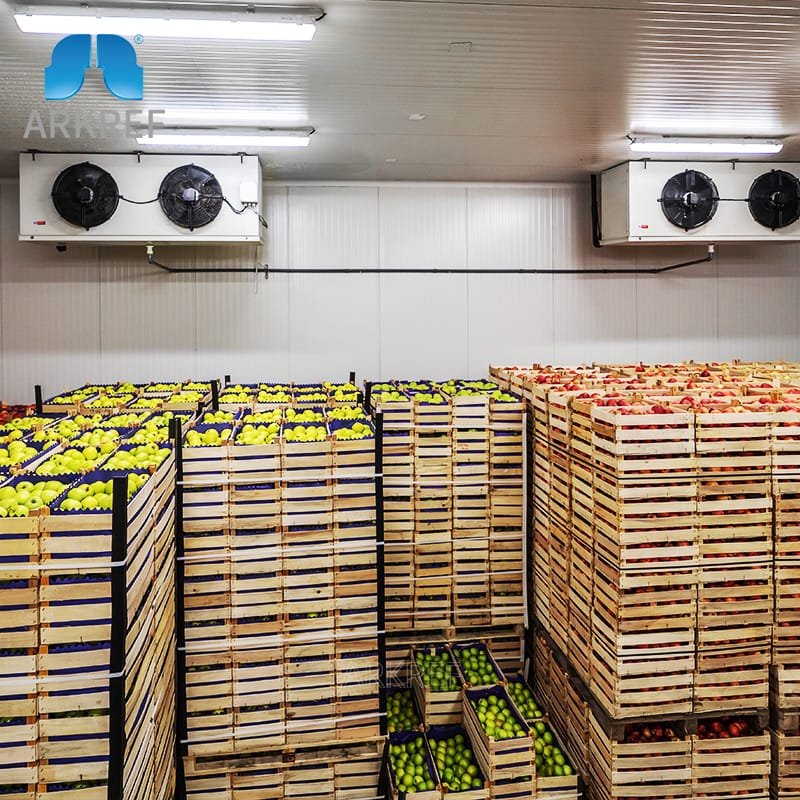
Setting up a cold room is just the beginning of your refrigeration journey. Whether you're running a restaurant, managing a pharmaceutical warehouse, or operating a food processing facility, knowing how to properly operate and troubleshoot your cold room can save you thousands of dollars and prevent costly product losses.
After working with countless businesses through their cold room installations, I've seen the same issues crop up time and again. The good news? Most problems are preventable with proper operation and quick action when issues arise.
Getting Started: The First 48 Hours
Your cold room's first two days of operation are crucial. This is when you'll spot installation issues before they become major headaches. Start by checking that your unit reaches the target temperature within the expected timeframe – typically 2-4 hours for most commercial units.
Document everything during this initial period. Record temperatures every few hours, note any unusual sounds, and pay attention to how long the compressor runs. This baseline data becomes invaluable if problems develop later.
Common Problems and Their Solutions
Temperature Fluctuations
Nothing's more frustrating than a cold room that can't maintain consistent temperatures. You'll notice this when products start showing signs of temperature abuse or when your monitoring system starts throwing alerts.
What causes it: Usually, it's door seals that aren't sealing properly, overloading the room beyond its capacity, or poor air circulation from blocked vents.
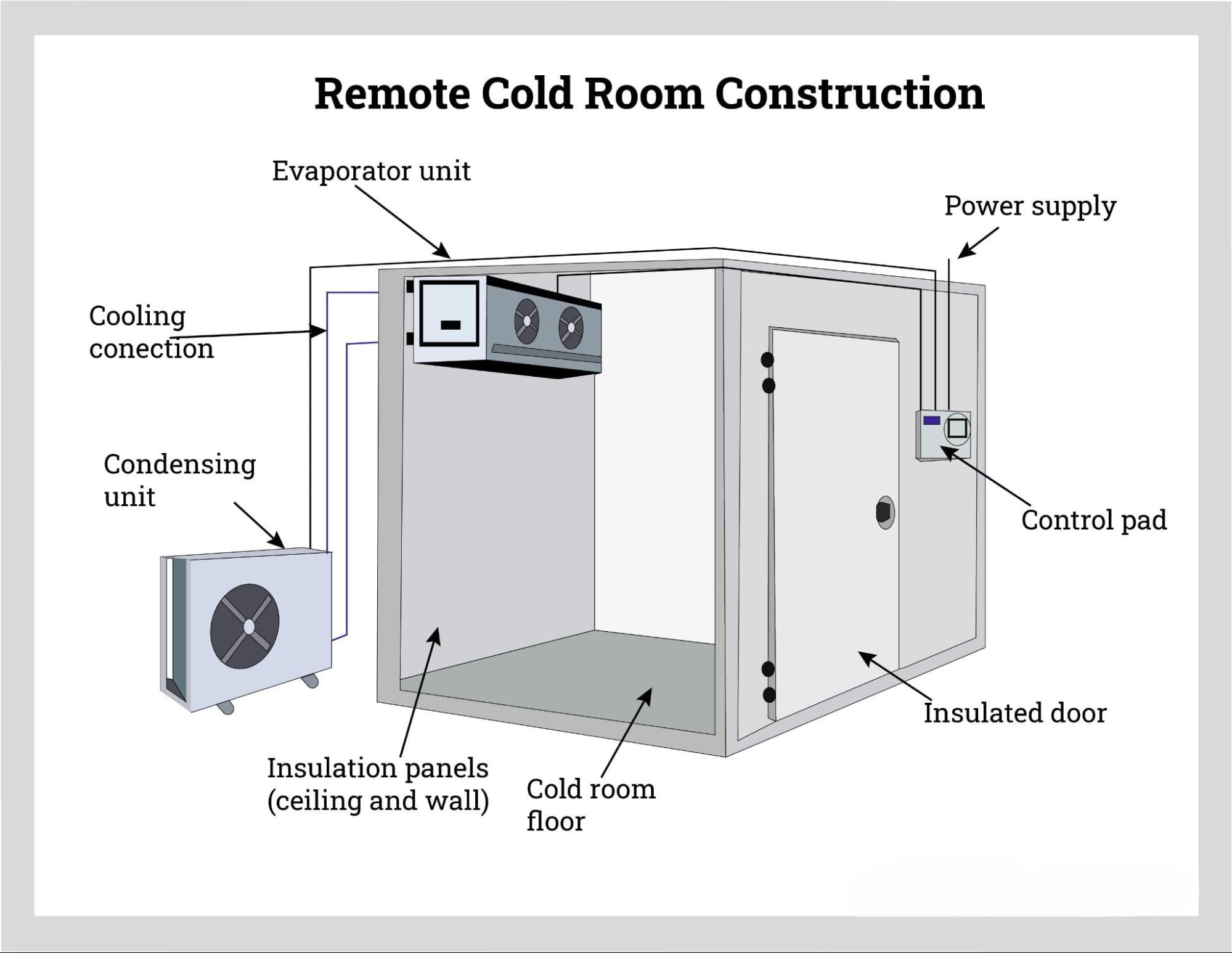
The fix: Check door seals by running a dollar bill test – if you can pull the bill out easily when the door is closed, the seal needs attention. Reorganize storage to ensure proper airflow, and never exceed 75% of your room's capacity. If problems persist, you might need to adjust the placement of your evaporator or check for refrigerant leaks.
Ice Buildup on Evaporator Coils
Ice accumulation looks harmless but seriously reduces your system's efficiency. You'll notice it as white frost building up on the coils, accompanied by reduced cooling performance.
What causes it: High humidity levels, frequent door openings, or a malfunctioning defrost system.
The fix: First, check your defrost timer settings. Most cold rooms need defrost cycles every 6-8 hours. If humidity is the culprit, consider installing a dehumidifier or improving your facility's overall moisture control. For frequent door openings, install air curtains or plastic strip curtains to minimize warm air infiltration.
Compressor Short Cycling
When your compressor turns on and off frequently in short intervals, it's working harder than it should. This leads to higher energy bills and premature equipment failure.
What causes it: Dirty condenser coils, low refrigerant levels, or an oversized cooling system.
The fix: Clean your condenser coils monthly – dirty coils are the most common cause. If cleaning doesn't solve it, call a technician to check refrigerant levels. For oversized systems, you might need a capacity control system to prevent short cycling.
Excessive Energy Consumption
Your electricity bills shouldn't spike dramatically after installation. If they do, your cold room is working inefficiently.
What causes it: Poor insulation, air leaks, dirty coils, or incorrect temperature settings.
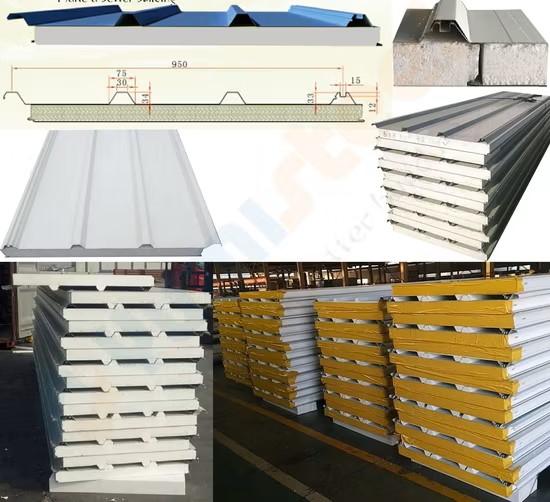
The fix: Conduct a thorough inspection of your room's insulation, especially around door frames and where walls meet the ceiling. Check that your temperature settings align with your actual needs – every degree matters. Regular maintenance of coils and fans keeps energy consumption in check.
Door Problems
Doors that don't close properly or are difficult to open create more than just inconvenience – they're energy vampires.
What causes it: Misaligned hinges, worn seals, or pressure differences between the cold room and outside environment.
The fix: Adjust hinges to ensure proper alignment and replace worn seals immediately. For pressure issues, install a pressure relief port or adjust your ventilation system. Consider upgrading to self-closing doors if manual doors are frequently left open.
Preventive Maintenance: Your Best Defense
The smartest cold room operators focus on prevention rather than reaction. Create a maintenance schedule that includes weekly visual inspections, monthly coil cleaning, and quarterly professional servicing.
Keep detailed logs of temperatures, energy consumption, and any unusual observations. This data helps you spot trends before they become problems and provides valuable information for service technicians.
Train your staff on proper cold room operation. Many issues stem from improper use – like propping doors open during busy periods or overloading the space. Everyone who uses the cold room should understand its limitations and best practices.
When to Call the Professionals
While many issues can be handled in-house, some problems require professional expertise. Call a technician immediately if you notice refrigerant leaks, electrical issues, or if your cold room fails to maintain temperature despite troubleshooting efforts.
Don't attempt repairs on electrical components or refrigerant systems unless you're properly trained and certified. The risks to both safety and equipment are too high.
Setting Yourself Up for Success
Operating a cold room successfully comes down to understanding your equipment, maintaining it properly, and addressing issues quickly. Most problems are manageable when caught early, but they can become expensive disasters if ignored.
Remember that every cold room is unique, influenced by factors like local climate, usage patterns, and the specific products you're storing. What works for one facility might need adjustment for another.
The investment you make in proper operation and maintenance pays dividends in reduced energy costs, fewer emergency repairs, and most importantly, protecting your valuable inventory. Your cold room should be a reliable partner in your business, not a source of constant worry.
Take the time to understand your system, document its performance, and don't hesitate to seek professional help when needed. With proper care, your cold room will serve your business reliably for years to come.