Discover how dampers improve airflow, prevent hot spots, and ensure energy-efficient, uniform cooling in Nepal’s cold storage facilities.
The Role of Dampers in Maintaining Uniform Airflow in Nepal’s Cold Storage Rooms
Airflow: The Unsung Hero
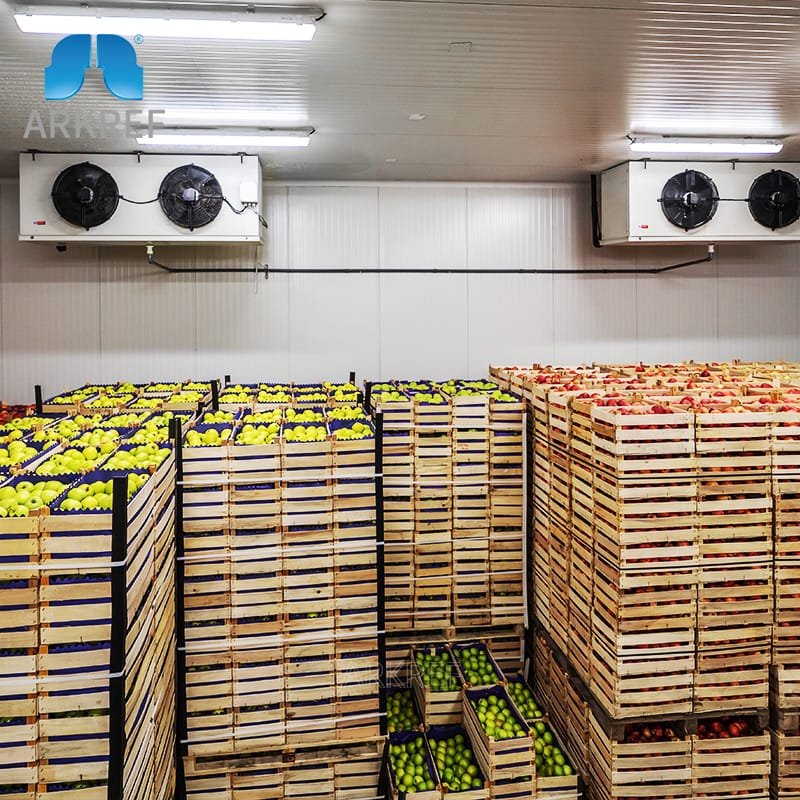
Have you ever noticed one corner of a cold room frosting up while another feels a bit warm? That’s uneven airflow at work. It stresses equipment, wastes energy, and—worst of all—puts product quality at risk. The fix begins with smart airflow control, and dampers are at the heart of it.
What Is a Damper ?
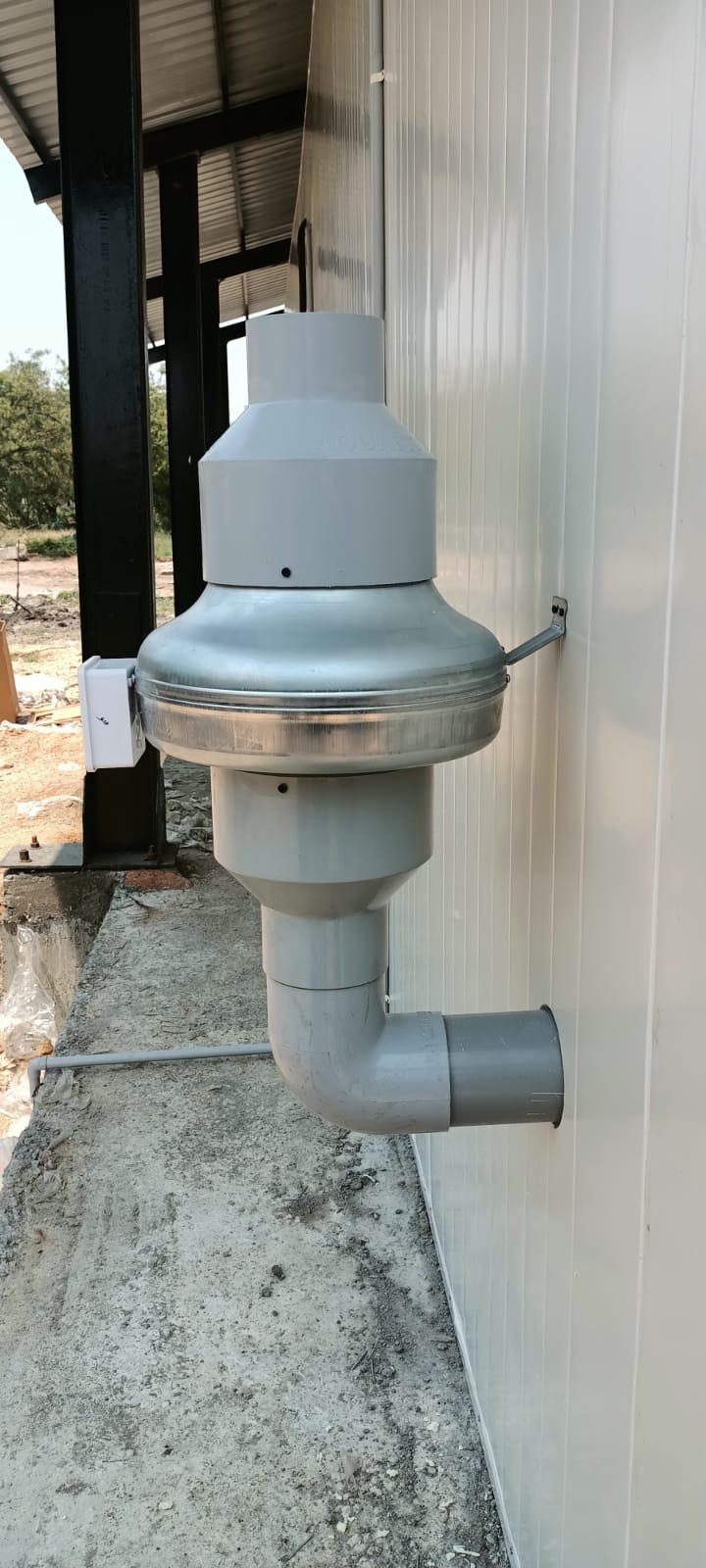
A damper is a controllable plate inside ducts or plenums that throttles the amount of air going to different areas. Think of it like a traffic light for cold air—guiding flow so every pallet stack gets the conditions it needs.
Damper Types and Where They Shine
1) Manual Balancing Dampers
- Set during commissioning; adjusted with a lever or screw.
- Low-cost and reliable; great for small rooms or stable loads.
- Require periodic checks if layout or loading changes.
2) Motorized (Automatic) Dampers
- Controlled by sensors/PLC to adapt airflow in real time.
- Ideal for multi-zone rooms and changing loads.
- Enable smarter energy use by avoiding overcooling.
3) Backdraft Dampers
- Allow flow in one direction; prevent reverse flow when fans stop.
- Help maintain pressure/air pattern during defrosts or power blips.
Balancing Airflow: A Simple Field Checklist
- Map the room: identify obstructions (racking, partitions, doorways).
- Measure: log temperature and RH at multiple heights and corners.
- Adjust: crack open starved zones; pinch down overcooled ones.
- Verify: re-measure after 24–48 hours under typical load.
- Document: keep settings so staff can restore after maintenance.
Why This Matters Especially in Nepal
- Buildings on slopes and irregular footprints create tricky air paths.
- Mixed commodities (apples, potatoes, greens) stored together demand stable conditions everywhere.
- Power fluctuations make airflow stability more important—backdraft dampers limit reversals and moisture drift.
- Energy is precious: balanced air shortens compressor run time and reduces defrost frequency.
Frequently Asked Questions
1) What are the signs my airflow isn’t uniform?
Hot/cold spots, condensation on some stacks, uneven ripening or freeze-burn on edges, and compressors cycling more than usual.
2) Do I need automatic dampers?
If your loads or SKUs change often—or you have multiple temperature/RH zones—automatic dampers pay back in control and energy savings. For small, steady rooms, manual balancing may suffice.
3) How often should I re-balance airflow?
After any layout change, major season shift, or if data logs show spreading temperatures. A quick quarterly check keeps things honest.
Conclusion: Even Air, Even Quality
Uniform airflow is one of the simplest ways to protect quality and cut operating costs. With RM Agrotech and ICEMAKE, you get damper design, controls, and commissioning that fit your site and budget—so every corner of the room performs like the best seat in the house.