Learn about ultrasonic, evaporative, steam, and spray humidifiers that maintain perfect humidity and keep cold-stored produce fresh longer.
Types of Humidifiers for Cold Rooms—and How They Keep Your Produce Fresh
Keeping Freshness Alive in Every Corner
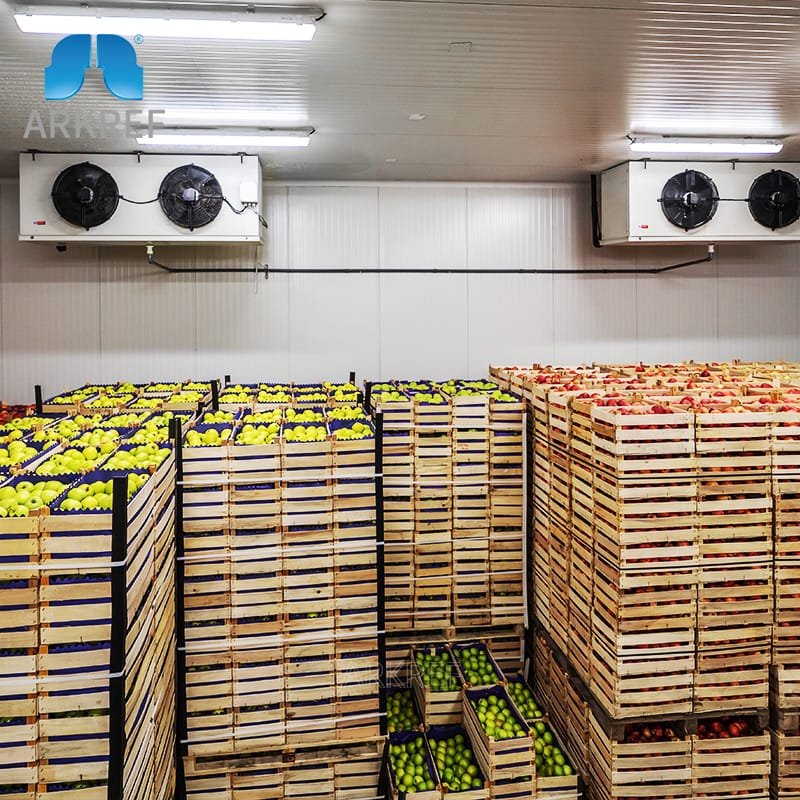
Imagine harvesting baskets of crisp apples or delicate spinach and wanting them to look and taste just as fresh when they reach the market. Temperature alone can’t do that. If the air in your cold room is too dry, products lose moisture and weight. If it’s too damp, condensation and spoilage creep in. The solution is balanced humidity—and that’s exactly what the right humidifier delivers.
At RM Agrotech, powered by ICEMAKE’s reliable refrigeration, we help owners across Nepal dial in humidity precisely so produce, dairy, meat, and flowers hold their weight, color, texture, and value.
What Does a Humidifier Actually Do?
A humidifier adds controlled moisture to the air inside your cold room. It prevents dehydration (shrinkage), stops wilting, and minimizes quality loss—without changing target temperature. The exact type you choose depends on your product mix, room size, and how tightly you need to control conditions.
Common Humidifier Types
1) Ultrasonic Humidifiers
- Create an ultra-fine cool mist using high-frequency vibration.
- Very energy-efficient and quiet; great for mushrooms, berries, leafy greens.
- Do not add heat—so your set temperature stays stable.
2) Evaporative Humidifiers
- Blow air across a wet medium so water naturally evaporates into the air.
- Cost-effective and low-maintenance for larger mixed-produce rooms.
- Humidity rises gradually, which helps avoid condensation spikes.
3) Steam Humidifiers
- Generate sterile steam (electric or gas) and inject it into the airstream.
- Excellent for high-humidity setpoints or hygiene-sensitive applications (e.g., cut flowers, pharma).
- Precise control, but higher energy use than ultrasonic.
4) High-Pressure Spray (Fogging) Systems
- Atomize water through fine nozzles to lift humidity quickly in big rooms.
- Work well for large facilities; require good water filtration to avoid nozzle clogging.
- Best when paired with smart controls to prevent over-humidification.
How to Choose for Your Cold Room
- Products: Leafy greens and mushrooms like higher RH (often 90–95%); onions and potatoes prefer lower.
- Room Size & Layout: Larger rooms may benefit from high-pressure or evaporative systems; small rooms from ultrasonic.
- Energy & Water: Consider electricity tariffs and water quality/filtration.
- Control & Monitoring: Sensors and controllers keep RH in range and avoid condensation.
- Maintenance: Simpler systems save time; steam can be hygienic but needs more power.
Pro Tips to Avoid Condensation & Losses
- Add humidity gradually—avoid sudden jumps that cause surface moisture.
- Coordinate with door discipline (air curtains, quick-open/close) to keep outside moisture out.
- Maintain good airflow with fans and baffles so humidity distributes evenly.
- Log RH and temperature; review weekly to spot drifts early.
Benefits You’ll Notice Right Away
- Less shrinkage and weight loss—products retain saleable mass.
- Better appearance and texture—vibrant color, crisp bite.
- Longer shelf life—more days to sell, fewer write-offs.
- Stable temperature—humidification without unwanted heating.
Frequently Asked Questions
1) What humidity level should I target?
It depends on the commodity. Many leafy vegetables do well around 90–95% RH, while onions and potatoes may need 65–75% RH. If you store mixed items, consider zoning or rotating loads to match needs.
2) How often should I service the humidifier?
Check filters/nozzles weekly, clean tanks/lines regularly, and follow manufacturer schedules. Water quality matters—poor filtration leads to scale and clogging.
3) Will humidifiers increase my energy bill?
Some types (ultrasonic, evaporative) are very efficient. Steam uses more energy but is hygienic and precise. Smart controls keep costs down by matching output to real need.
Conclusion: Freshness Is a Balance
With a correctly sized and controlled humidifier, your cold room protects quality and profit. RM Agrotech—authorized dealer of ICEMAKE—can size, install, and maintain a humidity solution tailored to Nepal’s climate and your products. Reach out for a site assessment and tailored specification.