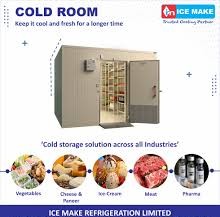
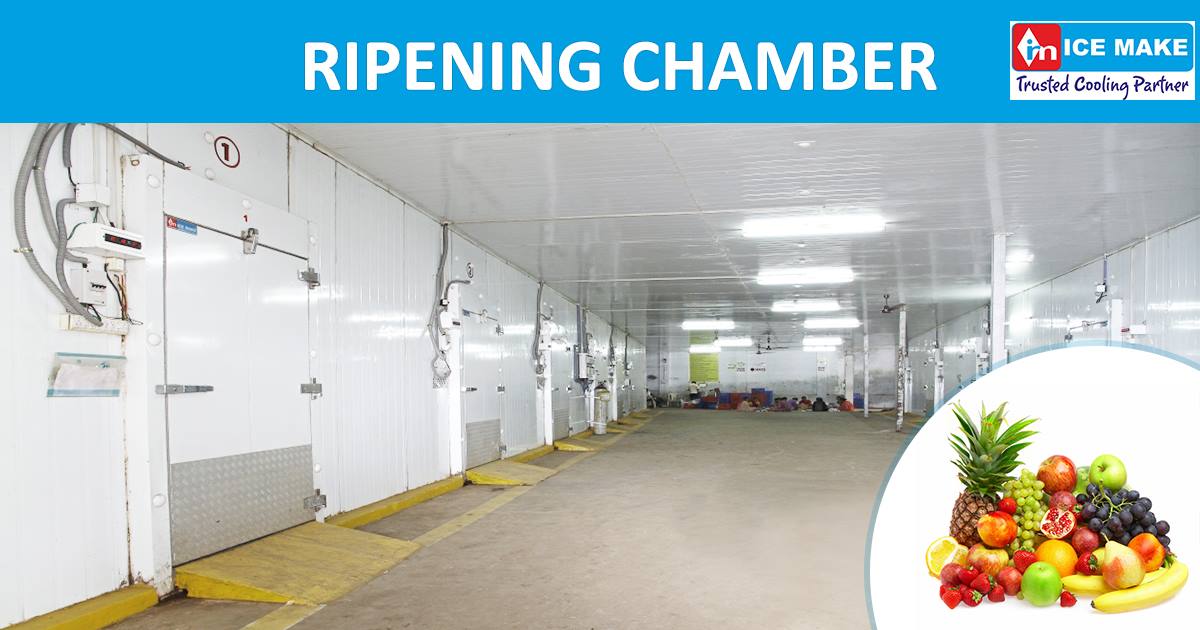
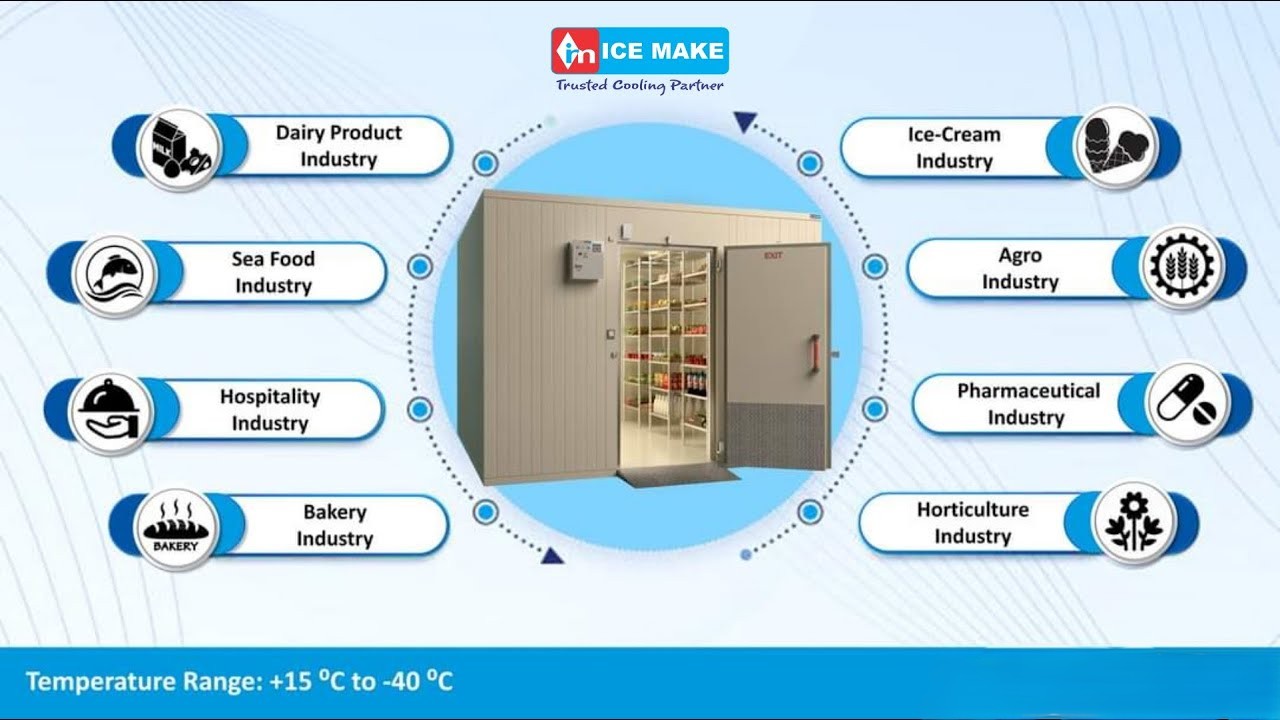
What Types of Food Items Can Be Stored in Cold Storage: A Complete Guide
Have you ever bought a week's worth of groceries only to watch half of them spoil before you could use them? Or maybe you're a farmer who's watched a perfect harvest go to waste because you couldn't sell it fast enough? If you've nodded along to either of these scenarios, then you're about to discover something that could change everything – the magic of cold storage.
Let me tell you, understanding cold storage isn't just about keeping food cold (though that's definitely part of it). It's about unlocking the secret to making your food last longer, taste better, and save you money in the process. Whether you're running a small vegetable farm in the hills of Nepal, managing a busy restaurant in Ahmedabad, or simply trying to make your weekly grocery budget stretch further, this guide is for you.
The Simple Science Behind Cold Storage (Don't Worry, No Lab Coat Required!)
Think of cold storage like hitting the "pause" button on Mother Nature's aging process. You know how some people seem to age gracefully while others... well, don't? Food is exactly the same way. Give it the right environment, and it'll stay fresh and beautiful for much longer than you'd expect.
Here's the thing – not all foods are created equal when it comes to temperature preferences. Some foods are like that friend who's always cold and needs a sweater, while others are more like your grandmother who keeps the house at tropical temperatures. Let's break down these personality types:
The Deep Freeze Lovers (-18°C to -23°C): These are your long-term relationship foods. They're in it for the long haul – we're talking months here. Perfect for when you want to stock up on meat during a sale or preserve that bumper crop of vegetables.
The Goldilocks Zone (0°C to 4°C): Not too hot, not too cold – just right. This is where most of your everyday fresh foods feel at home. Think of it as the comfortable middle ground where most relationships thrive.
The Gentle Souls (4°C to 10°C): These are your sensitive types that need just a little cooling off, but nothing too dramatic. Like that friend who gets cranky if the air conditioning is too high.
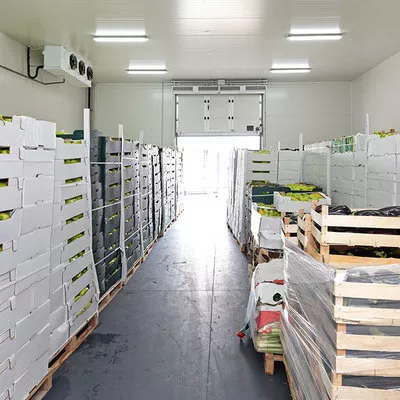
The VIP Treatment (Controlled Atmosphere): This is first-class storage where we control everything – temperature, humidity, even the air composition. It's like a spa day for your premium products.
Fresh Fruits and Vegetables: The Stars of the Show
Let's be honest – there's nothing more heartbreaking than opening your fridge to find that beautiful bunch of spinach has turned into green slime, or those expensive berries have developed a fuzzy science project. We've all been there, and it hurts both your heart and your wallet.
Here's where cold storage becomes your superhero cape:
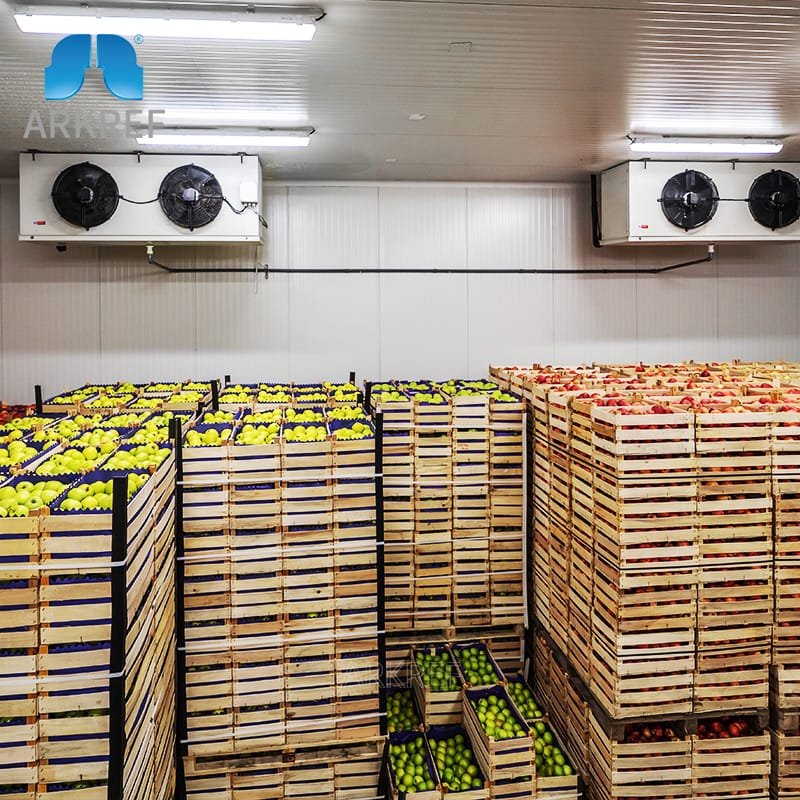
Apples and Pears – The Marathon Champions: These guys are the overachievers of the fruit world. With proper cold storage, they can stay crisp and delicious for months. I'm talking about biting into an apple in February that tastes like it was just picked from the tree. That's not magic – that's smart storage.
Citrus Fruits – The Sunshine Keepers: Ever notice how a dried-out lemon feels like a personal betrayal when you're trying to make fresh lemonade? Proper cool storage keeps these little balls of sunshine juicy and ready for action.
Leafy Greens – The Drama Queens: Oh, these delicate beauties! One minute they're gorgeous, the next they're wilted and sad. They need cold storage with high humidity – think of it as their personal spa environment where they can maintain their good looks.
Root Vegetables – The Reliable Friends: Potatoes, carrots, onions – these are the dependable ones in your produce drawer. They don't ask for much, but when stored properly, they'll stick around for months, always ready to be the foundation of your next meal.
Berries – The Precious Jewels: These little gems are worth their weight in gold when fresh, but they have the lifespan of a mayfly without proper storage. Cold storage is like giving them a protective shield against time.
Tropical Fruits – The Complicated Ones: Just like people, some tropical fruits are complicated. While some hate the cold, others like grapes and cherries absolutely love a good chill. It's all about knowing their personalities.
Dairy Products and Eggs: The Kitchen Essentials
Walk into any kitchen around the world, and you'll find these protein powerhouses taking up prime real estate in the cold storage area. There's a reason your grandmother always kept the milk in the coldest part of the fridge – she knew what she was doing.
Milk and Cream – The Morning Heroes: Nobody wants to start their day with chunky milk in their coffee. These liquid treasures need steady, consistent cold temperatures (2°C to 4°C) to stay fresh and safe. It's like maintaining a steady relationship – consistency is key.
Cheese – The Diverse Personalities: The cheese world is fascinatingly complex. You've got your high-maintenance soft cheeses like fresh mozzarella that need immediate cold storage, and then you have your laid-back hard cheeses like aged cheddar that are more forgiving but still appreciate good treatment.
Yogurt and Fermented Friends: These probiotic powerhouses are like tiny ecosystems in containers. Cold storage keeps all those beneficial bacteria happy and prevents them from throwing a party that turns your yogurt into something unrecognizable.
Butter and Margarine – The Smooth Operators: Nobody wants butter that tastes like it's been sitting in a hot car. Cold storage keeps these spreads creamy, fresh, and ready to make your toast dreams come true.
Eggs – The Breakfast Champions: Fresh eggs are like little time capsules. Proper cold storage can extend their freshness from a few days to several weeks. It's like having a breakfast insurance policy.
Meat, Poultry, and Seafood: The High-Stakes Players
If there's one category where you absolutely cannot afford to mess around, it's proteins. These foods are not just expensive – they can be downright dangerous if mishandled. Think of proper cold storage as your insurance policy against both financial loss and food poisoning.
Fresh Meat – The Investment Pieces: When you spend good money on quality beef, pork, or lamb, you want to protect that investment. Store them at 0°C to 2°C for short-term use, or freeze them to make that expensive cut last for months.
Poultry – The Speed Demons: Chicken and turkey are like the Formula One cars of spoilage – they go from fresh to questionable faster than you can say "Sunday dinner." These need immediate cold storage and your full attention.
Fish and Seafood – The Divas: Fresh fish and seafood are incredibly rewarding when handled properly, but they're also the most demanding. They need near-freezing temperatures with high humidity. Think of them as the high-maintenance celebrities of the food world – worth it, but requiring special care.
Processed Meats – The Convenience Players: Your favorite deli meats and sausages might seem more stable than fresh proteins, but they still need cold storage to maintain their quality and safety. Don't let their processed nature fool you into complacency.
Processed and Packaged Foods: The Modern Conveniences
Let's face it – modern life is busy, and processed foods make our lives easier. The good news is that many of these convenience foods can benefit tremendously from cold storage.
Baked Goods – The Comfort Foods: That artisanal bread from the local bakery, those delicate pastries, your homemade cakes – cold storage can give them a second life, extending their enjoyment well beyond their normal expiration date.
Prepared Meals – The Lifesavers: Ready-to-eat meals are absolute lifesavers on those crazy busy days. Cold storage ensures they stay safe and delicious, ready to rescue you from the "what's for dinner?" dilemma.
Beverages – The Special Occasions: Those expensive fruit juices, that bottle of wine you've been saving, specialty drinks – many of these require temperature-controlled storage to maintain their intended flavors and quality.
Condiments and Sauces – The Flavor Enhancers: Once you open that expensive bottle of specialty sauce or imported condiment, cold storage helps maintain its flavor profile and prevents it from becoming an expensive science experiment.
Specialty Agricultural Products: The Hidden Opportunities
For those in the agricultural game, cold storage opens up a world of possibilities that many people don't even consider. These specialty items can be game-changers for your business.
Seeds and Grains – The Future Investments: Some seeds are like time capsules of potential. Cold storage helps maintain their viability, ensuring they'll spring to life when you're ready to plant next season.
Herbs and Spices – The Flavor Makers: Fresh herbs are culinary gold, and proper cold storage helps them maintain their potency and stunning appearance far longer than traditional methods.
Flowers and Plants – The Beauty Makers: Cut flowers are living art pieces that need special care. Cold storage is what allows florists to keep flowers looking picture-perfect for days or even weeks.
Medicinal Plants – The Healing Helpers: Some medicinal herbs and plant extracts are incredibly valuable commodities that require cold storage to maintain their therapeutic properties and market value.
Why Professional Cold Storage Will Change Your Life
Let me be straight with you – investing in professional cold storage isn't just about keeping food cold. It's about fundamentally changing how you approach food, business, and waste. Here's why it's one of the smartest investments you can make:
Time Becomes Your Friend: Instead of racing against the clock to use up food before it spoils, you get to slow down time. Days become weeks, weeks become months. Imagine the peace of mind that comes with knowing your products won't spoil while you're finding the right buyers or the right time to use them.
Your Wallet Will Thank You: Every piece of food that goes bad is literally money in the trash. Cold storage dramatically reduces waste, which means more money stays in your pocket where it belongs.
Quality That Speaks for Itself: When your products maintain their color, texture, flavor, and nutritional value, customers notice. Quality products command better prices and create customers who come back again and again.
Sleep Better at Night: Proper temperature control isn't just about quality – it's about safety. Cold storage prevents the growth of harmful bacteria that can make people sick. No one wants to be responsible for food poisoning.
Become a Market Genius: Extended storage capabilities mean you can buy when prices are low and sell when demand is high. It's like having insider knowledge of the market – you can play the long game instead of being forced to sell immediately.
Break Free from Seasons: Why should your business be limited to just harvest season? Cold storage lets you extend your selling season and maximize your revenue potential throughout the year.
Finding Your Perfect Cold Storage Partner
Choosing the right cold storage system is like finding the perfect business partner – it needs to understand your needs, work reliably, and grow with you over time. Here's your practical guide to making the right choice:
Temperature Compatibility: Just like matching personalities in a relationship, you need to make sure your cold storage system can maintain the specific temperatures your products need to thrive.
Humidity Harmony: Many foods are incredibly picky about moisture levels. The right humidity control can be the difference between success and disappointment.
Size It Right: You want a system that handles your current needs comfortably but leaves room for growth. Nobody wants to outgrow their investment too quickly.
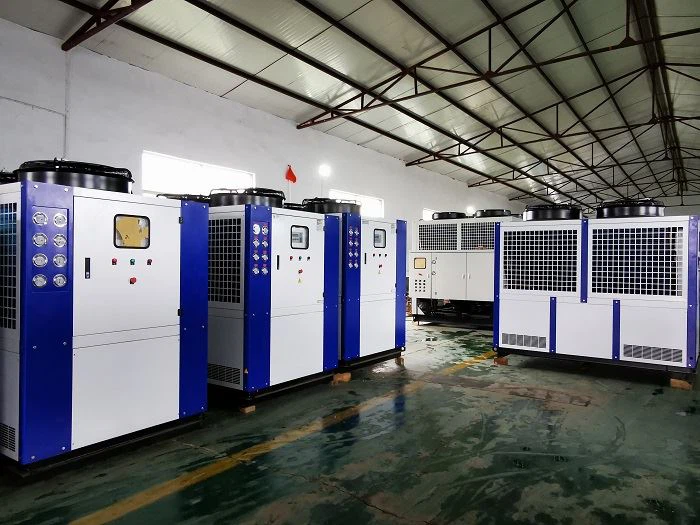
Energy Efficiency That Pays: Modern cold storage systems are amazingly energy-efficient, which translates to lower electricity bills and a smaller environmental footprint. Your conscience and your accountant will both be happy.
Reliability You Can Count On: Look for systems with proven track records and solid warranty coverage. The last thing you need is a breakdown during your busiest season.
Professional Installation: This is definitely not a DIY weekend project. Proper installation by experienced technicians ensures your system performs optimally and lasts for years to come.
The Real Talk: Why This Matters
Here's the thing that nobody talks about enough – food waste is heartbreaking. Not just because of the money (though that hurts), but because of everything that went into producing that food. The farmer who grew it, the water that nourished it, the energy that transported it, the hope that it would nourish someone.
Cold storage isn't just about business – it's about respect. Respect for the food, respect for the resources, and respect for the people who will eventually consume it. Whether you're a small farmer trying to make ends meet or a large operation looking to maximize efficiency, proper cold storage is about doing right by your products and your customers.
In places like Nepal and India, where agriculture is such a vital part of the economy and food security is crucial, cold storage isn't just a convenience – it's a necessity. It's the difference between a farmer losing half their crop to spoilage and being able to feed their family for the entire year. It's the difference between a restaurant throwing away expensive ingredients and being able to serve fresh, quality meals to their customers.
Your Next Steps
If you're reading this and thinking, "This sounds great, but where do I start?" – you're asking the right question. The first step is understanding your specific needs. What types of food are you working with? What's your volume? What's your budget? What are your growth plans?
For businesses in Nepal and India, you're fortunate to have access to experienced manufacturers and suppliers who understand your local market conditions, climate challenges, and business needs. Don't go it alone – work with professionals who can guide you through the process, from initial consultation through installation and ongoing support.
Remember, your cold storage system is only as good as the team behind it. Look for partners who are invested in your success, who understand that your success is their success. Ask questions, visit their facilities if possible, talk to other customers. This is a long-term relationship, so choose your partners wisely.
The future of food preservation is indeed cold, and it's time to embrace the chill. Your food, your business, and your customers will thank you for it.
Ready to transform your approach to food storage? The cold storage revolution starts with a single step – and that step is yours to take.