Stop mold, dampness, and product spoilage in cold rooms with effective dehumidification solutions tailored for Nepal’s storage facilities.
Preventing Mold & Spoilage in Cold Rooms Through Effective Dehumidification
When Cold Isn’t Enough
Cold rooms slow down spoilage—but excess moisture can undo that protection. Condensation on walls, dripping ceilings, soggy cartons, and musty smells are all signs that relative humidity (RH) is too high. The result? Mold growth, faster decay, and avoidable losses.
We design and integrate dehumidification that keeps RH right where it should be—so your products stay safe and your facility stays clean and efficient, from the Terai’s humidity to the chill of the hills.
Why Does Humidity Build Up?
- Warm, moist air enters during door openings and loading.
- Poor insulation or vapor barriers allow moisture to migrate in.
- Products themselves respire/release moisture over time.
- Defrost cycles and wash-downs add water to the room.
- Airflow dead zones let moisture linger.
Dehumidification Options (and When to Use Them)
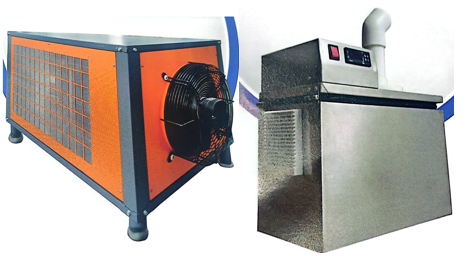
1) Refrigeration-Based (Condensing) Dehumidifiers
- Cool air below its dew point so water condenses and drains away.
- Best for moderate RH control above ~35–40% RH.
- Often simplest to integrate with existing cooling equipment.
2) Desiccant Dehumidifiers
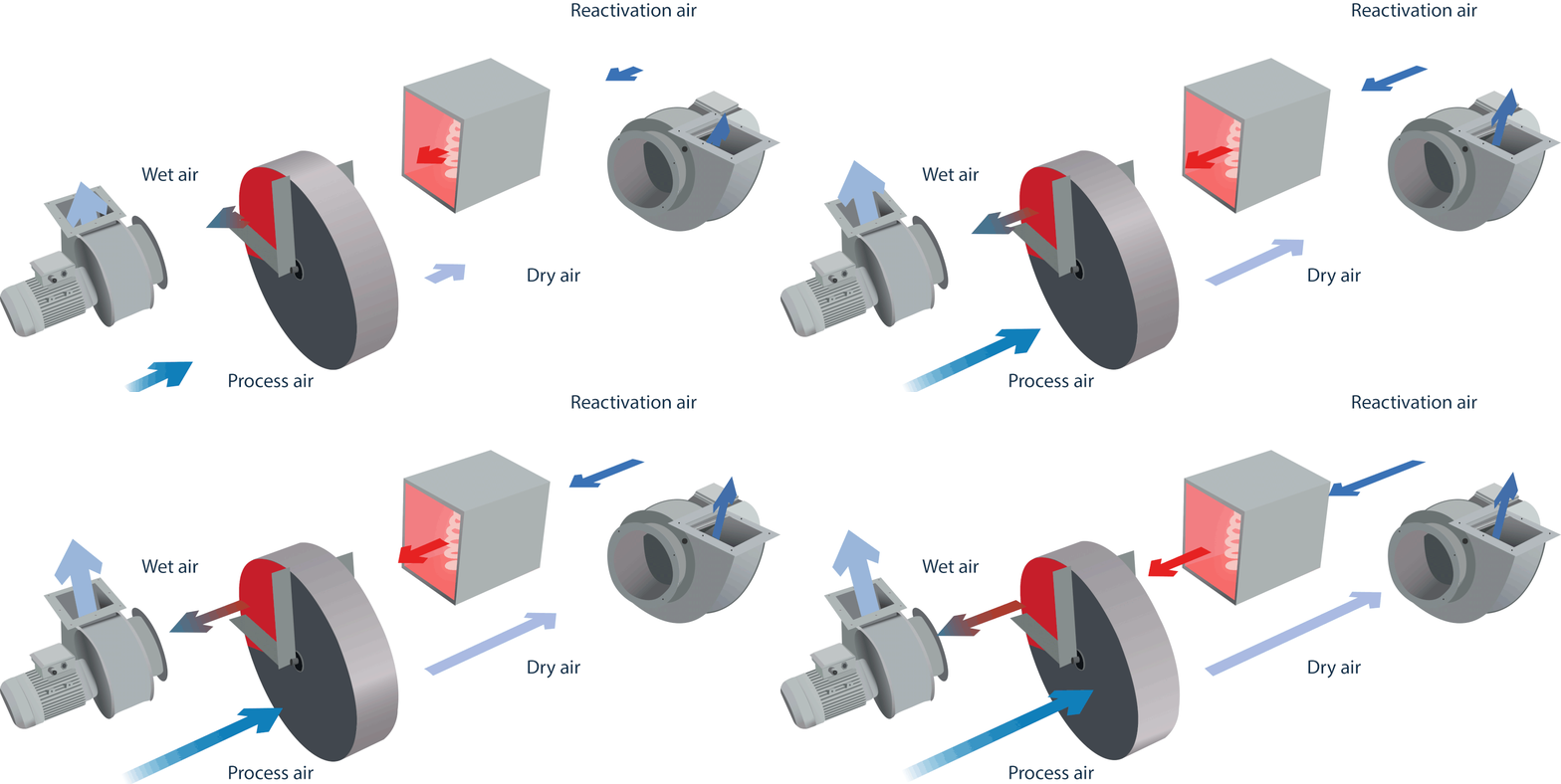
- Use hygroscopic media (e.g., silica gel, molecular sieve) to absorb moisture.
- Excel at low temperatures and low RH targets (e.g., seed, pharma, specialty foods).
- Require periodic regeneration—plan for heat/energy needs.
3) Ventilation & Air Exchange
- Introduce drier outside air and exhaust humid air when conditions permit.
- Low cost, but weather-dependent and less precise than mechanical systems.
Setpoints & Monitoring (Simple Guide)
- General produce rooms: often 80–90% RH (to prevent dehydration) but without visible condensation.
- Dry-goods or packaging areas: lower RH to stop mold on materials.
- Always pair RH sensors with calibrated thermometers and data logging; track trends weekly.
Good Practices That Cut Moisture at the Source
- Limit door-open time; use air curtains and strip curtains in busy docks.
- Seal penetrations, repair gaskets, and verify vapor barriers.
- Balance airflow so there are no stagnant corners (use baffles/dampers).
- Schedule defrosts smartly and squeegee standing water after wash-downs.
- Train staff: where moisture hides, mold follows.
Benefits You’ll See
- Cleaner surfaces and packaging; fewer mold claims.
- Longer shelf life and more saleable inventory.
- Lower compressor load (dry air is easier to cool) and fewer ice-ups.
- Protects coils, panels, and structures from corrosion.
Frequently Asked Questions
1) What RH should I aim for to avoid mold?
There’s no single number for every room. For produce rooms, stay high enough to prevent dehydration yet low enough to avoid condensation—often 80–90% RH with good airflow. For dry packaging zones, 45–60% RH reduces mold risk.
2) Desiccant or refrigeration dehumidifier—how do I choose?
If you need very dry conditions at low temperatures, desiccant wins. For typical produce storage where you just need to prevent condensation, refrigeration-based is often enough and more energy-efficient.
3) How will I know if it’s working?
You’ll see drier surfaces, fewer wet cartons, no musty smell, and more stable temperature. Your data logs will show RH staying in range—even during busy loading.
Conclusion: Dry Enough to Stay Fresh
Effective dehumidification is the difference between a cold room that looks clean and one that truly protects your inventory. RM Agrotech integrates RH control into ICEMAKE cold rooms and retrofits. Book a site visit—we’ll recommend a right-sized, energy-smart solution for your facility.