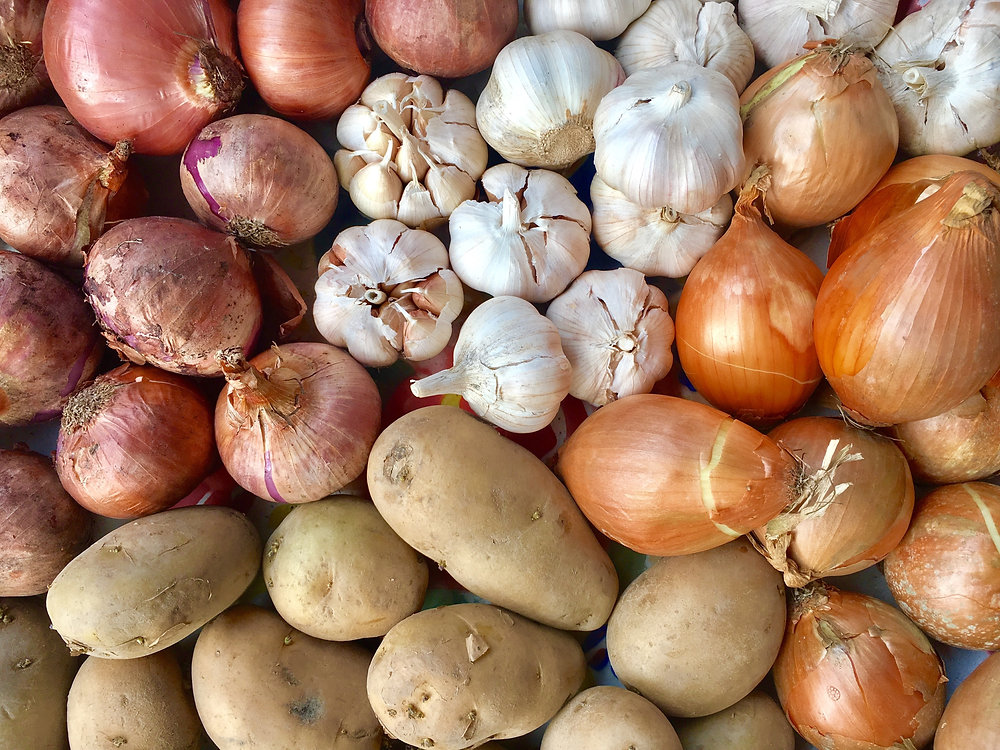
Potato, onion, and garlic behave differently in storage, yet many rooms treat them the same. This Nepal-focused guide explains curing, airflow design, stack geometry, and temperature/humidity bands that protect texture and reduce losses across Terai and hill belts. We cover envelope and door choices, evaporator placement, ventilation practices, and simple SOPs your team can run. RM Agrotech × ICEMAKE design, commission, and train for calm, everyday operation.
Introduction
Root and bulb crops are the backbone of many Nepal supply chains. But they aren’t “just another chiller load.” Potatoes want airflow that prevents pressure points; onions and garlic need curing and controlled humidity; all three demand clean, one-way handling that keeps moisture and frost in check. With roads crossing hot plains and cooler hills, and power quality that varies by district, the right storage is as much about layout and habits as it is about machinery.
Market Reality / Pain Points
• Mixed crops stored together under one generic setpoint.
• Stacks pressed against walls; returns blocked; hot spots and condensation in corners.
• No curing step for onions/garlic; skins stay moist and disease risk rises.
• Door props during loading; fog and frost build; labels fail.
• Drainage oversights; wet floors lead to forklift safety issues.
How the Solution Works (clear, non-jargony)
A good root/bulb store is airflow and moisture management built on a tight envelope.
1) Envelope & doors
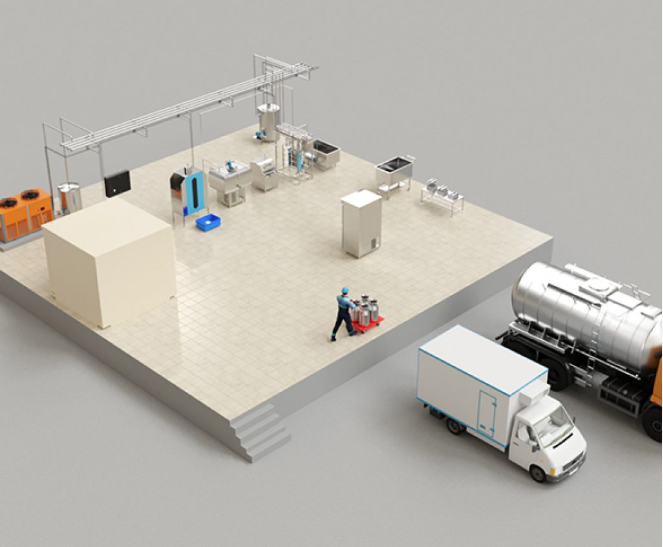
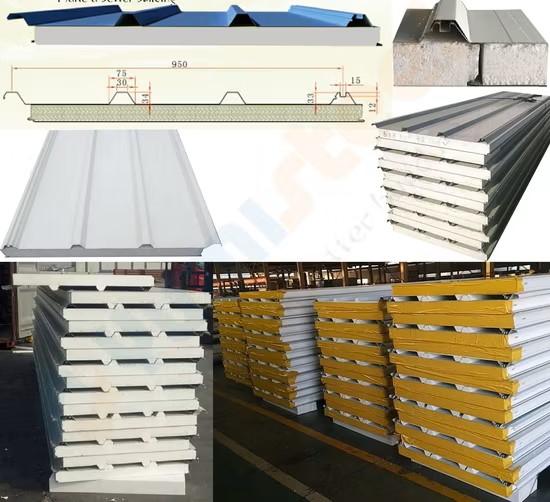
- ICEMAKE panel rooms with sealed penetrations and doors sized for handling equipment.
- PVC strips/air curtains to cut infiltration; vestibule for heavy dock doors.
2) Airflow geometry
- Evaporator discharge should sweep across stacks; returns must be clear with “no-stack” lanes.
- For potatoes, allow even lateral flow through crates or pallet bins; avoid dead corners.
3) Curing (onion/garlic)
- Short curing phase in a ventilated area/room to dry necks and outer skins before long hold.
- Keep air moving; avoid wet surfaces; separate curing from final cold hold.
4) Moisture management
- Above-zero rooms often use off-cycle defrost; tune timing to door habits; verify drainage.
- Control condensation at lintels/ceilings with door discipline and airflow, not “extra cold.”
5) Loading practice
- Mark load lines and no-stack zones; use crate/bin types with vents aligned to flow.
- Keep a hand-width gap from walls; avoid stacking right under discharge jets.
Features & Advantages
• Uniform temperature across stacks; fewer soft or sprouted pockets.
• Cleaner skins for onion/garlic post-curing; calmer dispatch.
• Predictable handling with marked lanes and door SOPs.
• Safer floors thanks to dry drainage and fewer fog events.
Nepal Use-Cases / Sectors
• Terai aggregation hubs shipping to hill markets.
• Hill-belt stores buffering seasonal supply.
• Wholesale platforms stabilizing lots before dispatch.
• Packhouses integrating curing, grading, and hold.
Operations & Best Practices
• Curing routine (onion/garlic): Ventilated zone, clean racks, no water pooling, short daily checks; move to hold only when outer skins are dry to the touch.
• Stack geometry: Align crate vents with flow; keep aisles for returns; cap stack height to avoid dead zones.
• Door protocol: Group loads; ban props; if doors stay open for long moves, use the vestibule.
• Drainage: Verify fall and traps; clean grates; keep floor dry to protect forklifts and workers.
• Monitoring: Core checks in representative crates; duration-filtered alarms; weekly trend reviews.
• Power hygiene: Stabilizers/phase protection/earthing; UPS for controllers/loggers to preserve records during dips.
Compliance & Quality
These practices align with HACCP-style material handling and DFTQC expectations for hygiene and drainage, supporting ISO 22000-style documentation with concise logs and traceable corrective actions.
Sustainability / Energy Considerations
• Envelope first: sealed penetrations and healthy gaskets cut runtime.
• Airflow discipline prevents over-cooling to reach corners.
• Short, effective defrosts and clean coils reduce waste.
• Realistic setpoints beat “extra cold,” which encourages moisture problems.
Benefits / Outcomes (qualitative)
Fewer hot/cold pockets; cleaner skins; steadier dispatch temperatures; safer, drier floors; calmer audits.
Implementation with RM Agrotech × ICEMAKE
We co-plan envelope, airflow geometry, curing vs. hold zones, doors/vestibule, and drainage; install and commission ICEMAKE systems; train shifts with bilingual SOP cards; and keep after-sales checks through season peaks.
Checklist — Root & Bulb Storage Setup
• Separate curing (onion/garlic) from hold; ensure ventilation.
• Align evaporator discharge and keep returns unblocked with marked aisles.
• Choose vented crates/bins; set stack heights to avoid dead zones.
• Seal penetrations; fit PVC strips/air curtains; plan vestibule for busy docks.
• Use off-cycle defrost (above-zero) and verify drainage; keep floors dry.
• Stabilizers/phase protection/earthing + UPS for controllers/loggers.
• Keep short logs: intake temp, core checks, deviations/corrective notes.
Call to Action
Building or upgrading a root/bulb store? RM Agrotech (authorized ICEMAKE partner in Nepal) will design the airflow, curing layout, doors, and drainage so your team runs calm, clean holds all season.
FAQ
Q1. Can potatoes, onions, and garlic share one room?
Only if setpoints/airflow match and curing is already done. Better to separate curing from hold and avoid mixed stacks near doors.
Q2. Do we need a dehumidifier?
Not always. Above-zero stores often stabilize with door discipline, airflow geometry, and tuned off-cycle defrost.
Q3. Why do corners stay warmer?
Blocked returns or dead zones. Mark no-stack areas and keep a hand-width gap from walls.
Q4. We keep seeing condensation on the ceiling—lower setpoint?
No. Fix doors/airflow; verify defrost/drains; lower setpoints usually worsen frosting.
Q5. How do we train new hires fast?
Post bilingual SOP cards with sketches: loading pattern, door rule, daily floor/drain check, and a two-line temp log.