Transform Your Fruit Business: How Ripening Chambers Are Changing Nepal's Agricultural Landscape
04 July, 2025
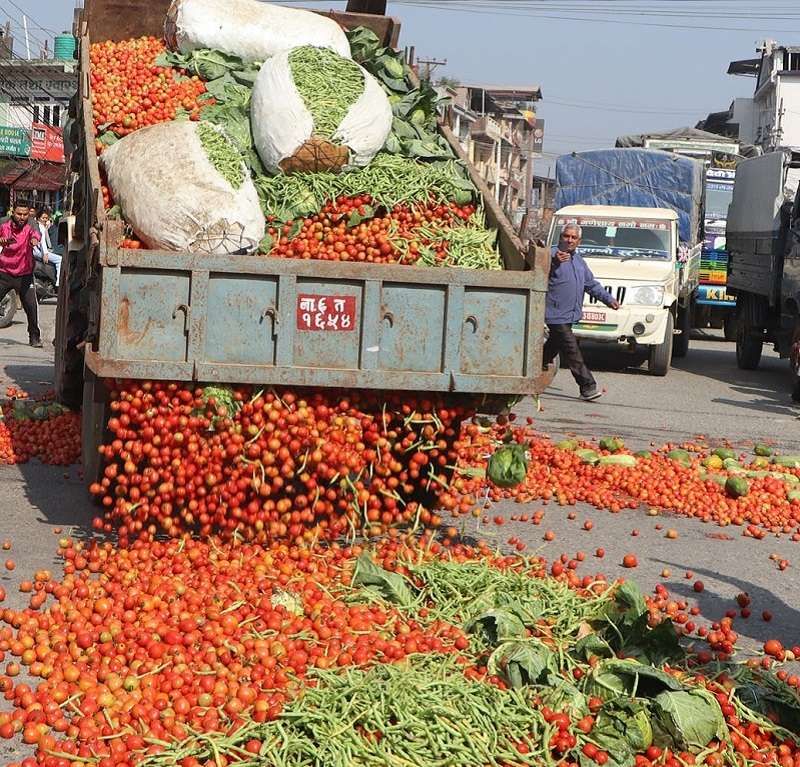
Nepal's fruit industry stands at a pivotal moment of transformation. With annual production of over 400,000 tons of bananas alone, plus significant quantities of mangoes and papayas, the country possesses immense agricultural potential. However, traditional ripening methods continue to plague producers with 20-30% post-harvest losses, inconsistent quality, and limited market access—particularly challenging given Nepal's diverse topography ranging from the Terai plains to high mountain regions. These inefficiencies not only impact farmer incomes but also limit Nepal's ability to compete in regional and international markets where quality consistency is paramount.
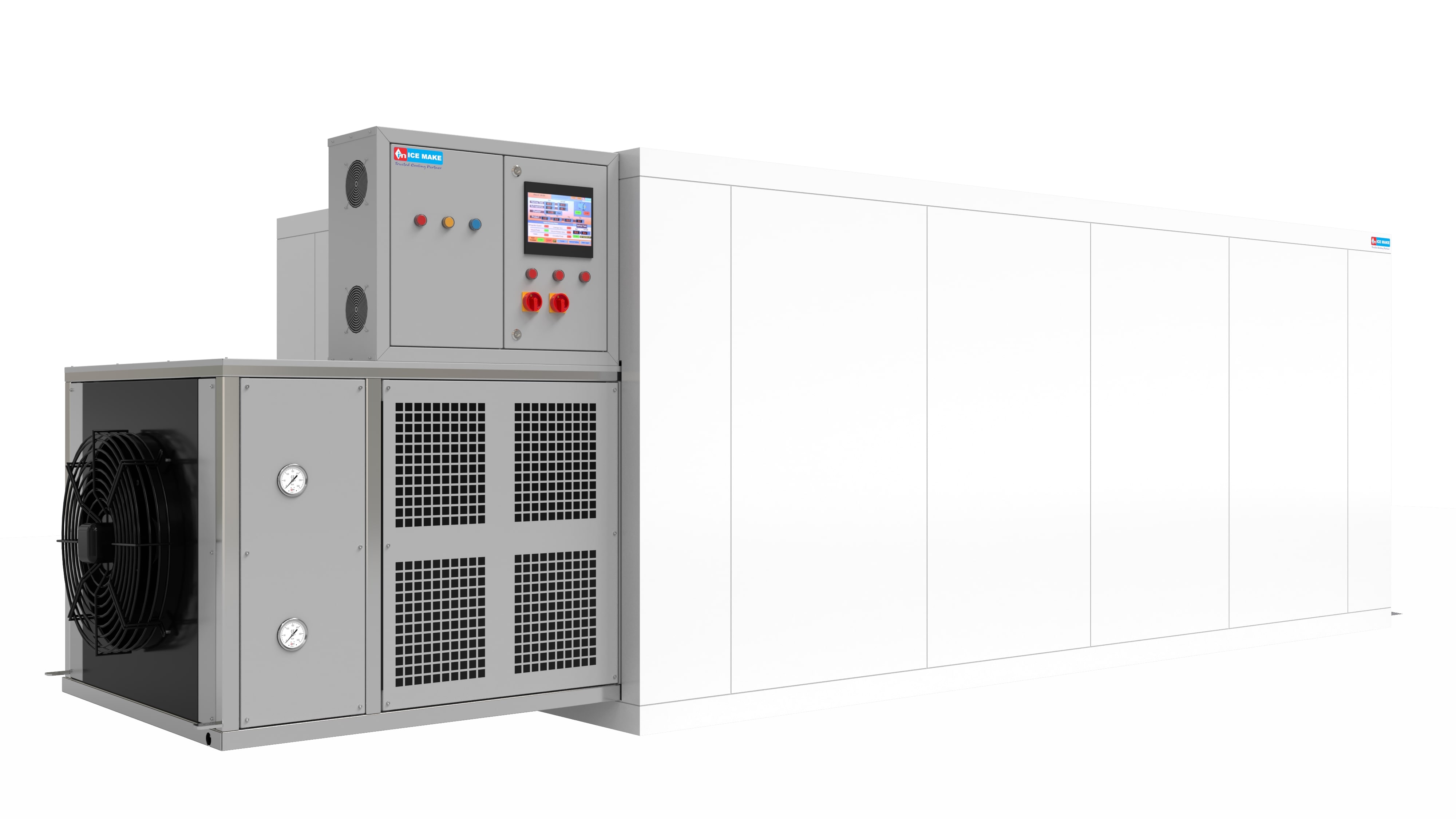
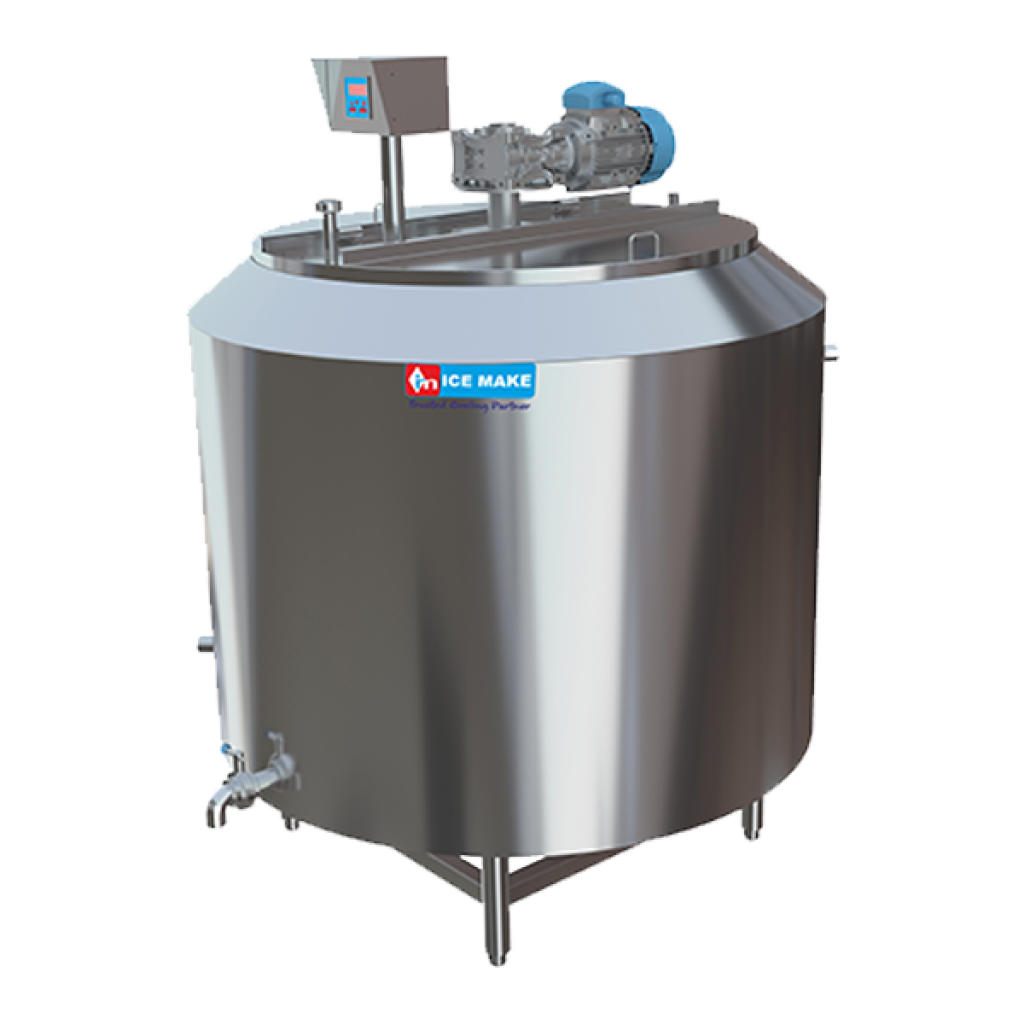
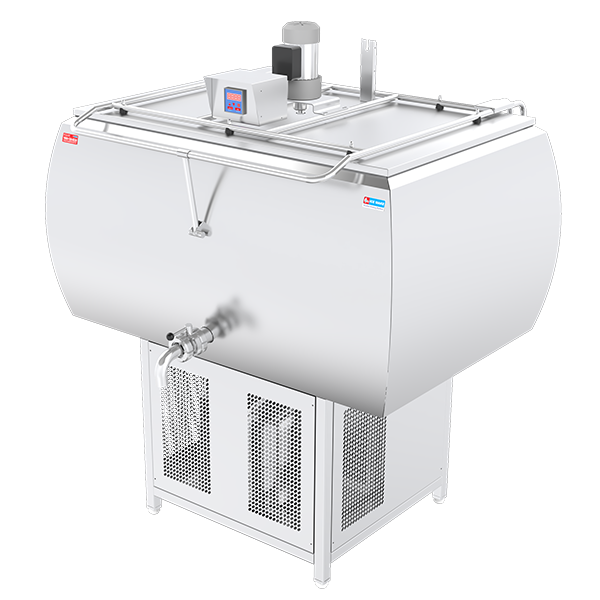
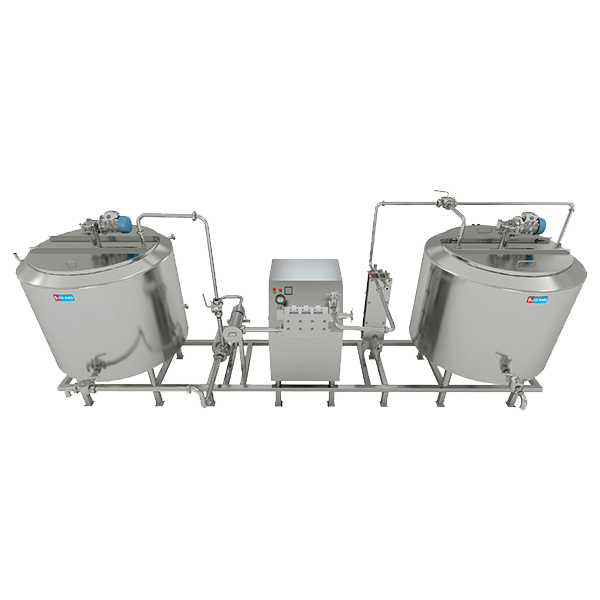
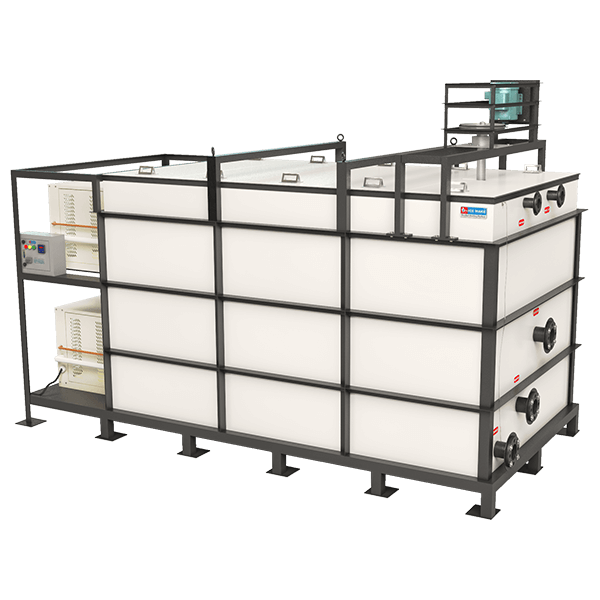
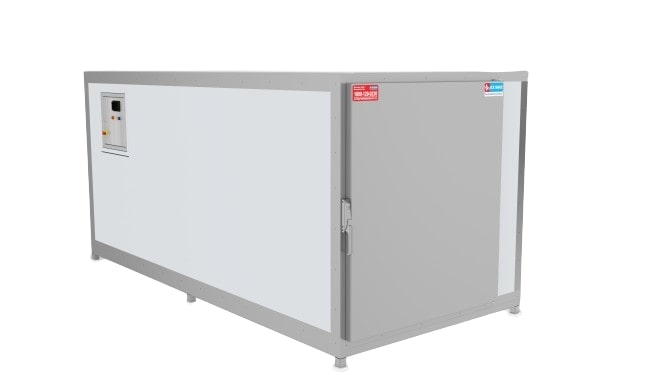
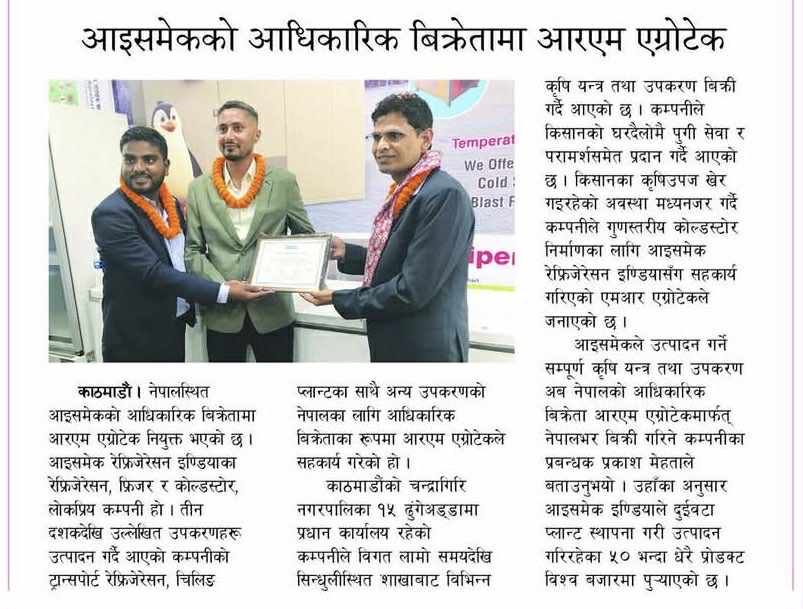
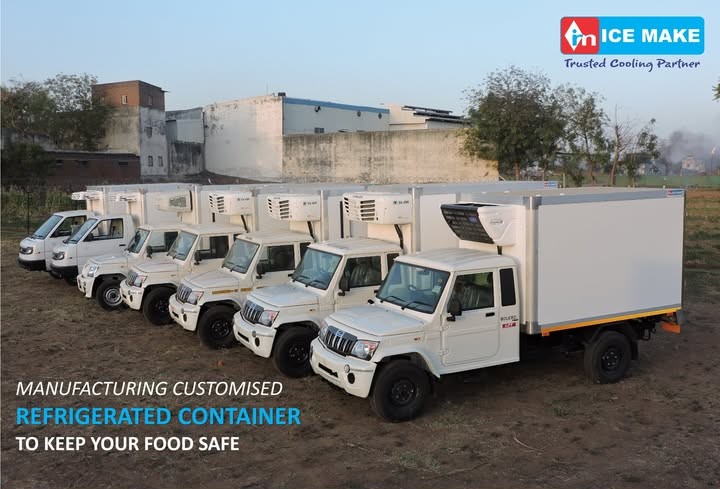
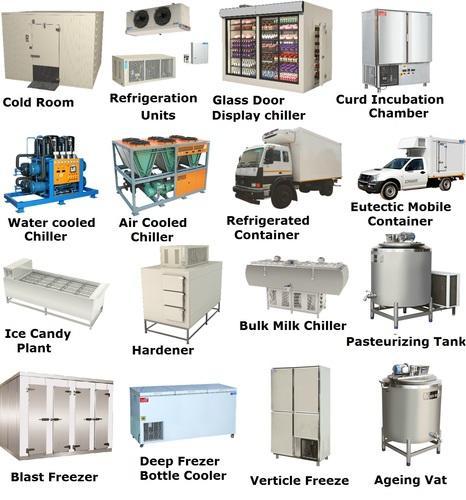
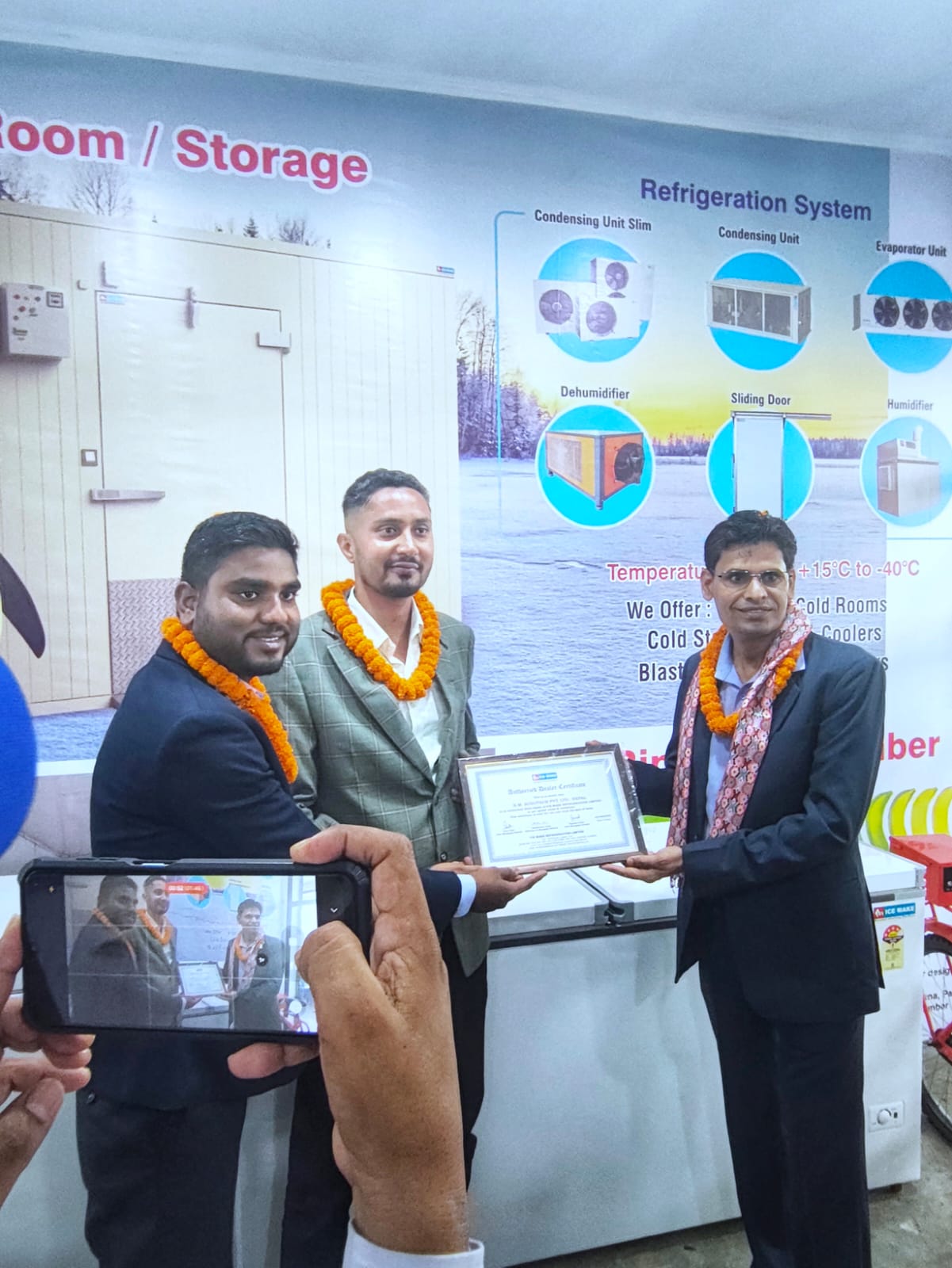
RM Agrotech Pvt. Ltd., recognizing these critical challenges, has partnered with ICE Make Refrigeration Ltd. from Ahmedabad, India, to introduce advanced ripening chamber technology specifically designed for Nepal's unique agricultural and geographical context. This partnership represents more than just equipment distribution—it's a comprehensive solution that addresses the entire value chain from harvest to market delivery. ICE Make's proven technology, combined with RM Agrotech's deep understanding of local market dynamics and infrastructure challenges, creates an unprecedented opportunity for Nepali fruit producers to modernize their operations and access previously unreachable markets.
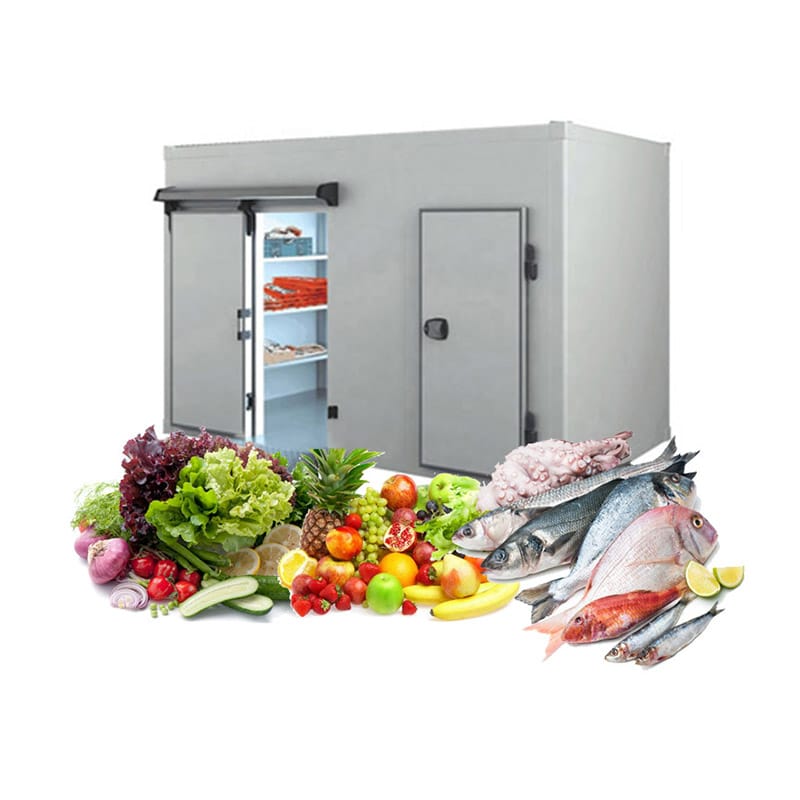
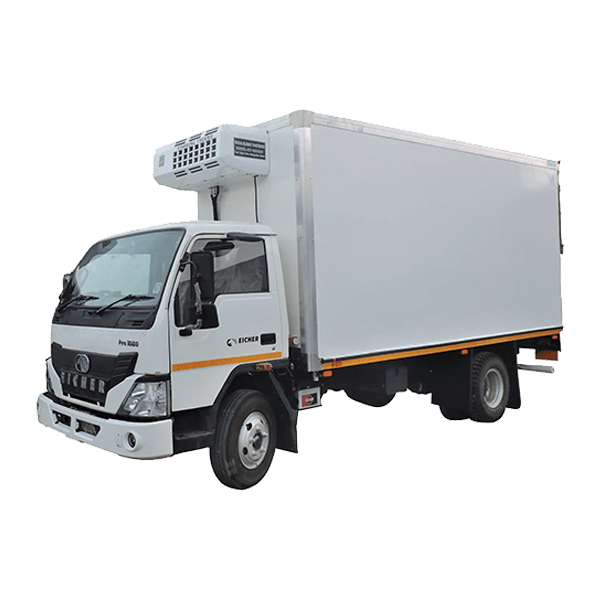
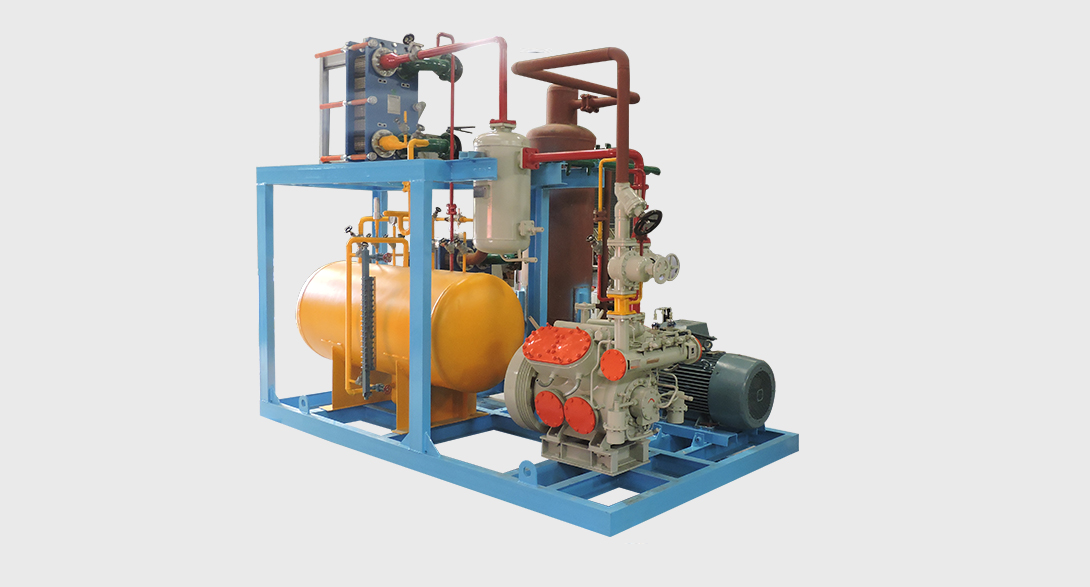
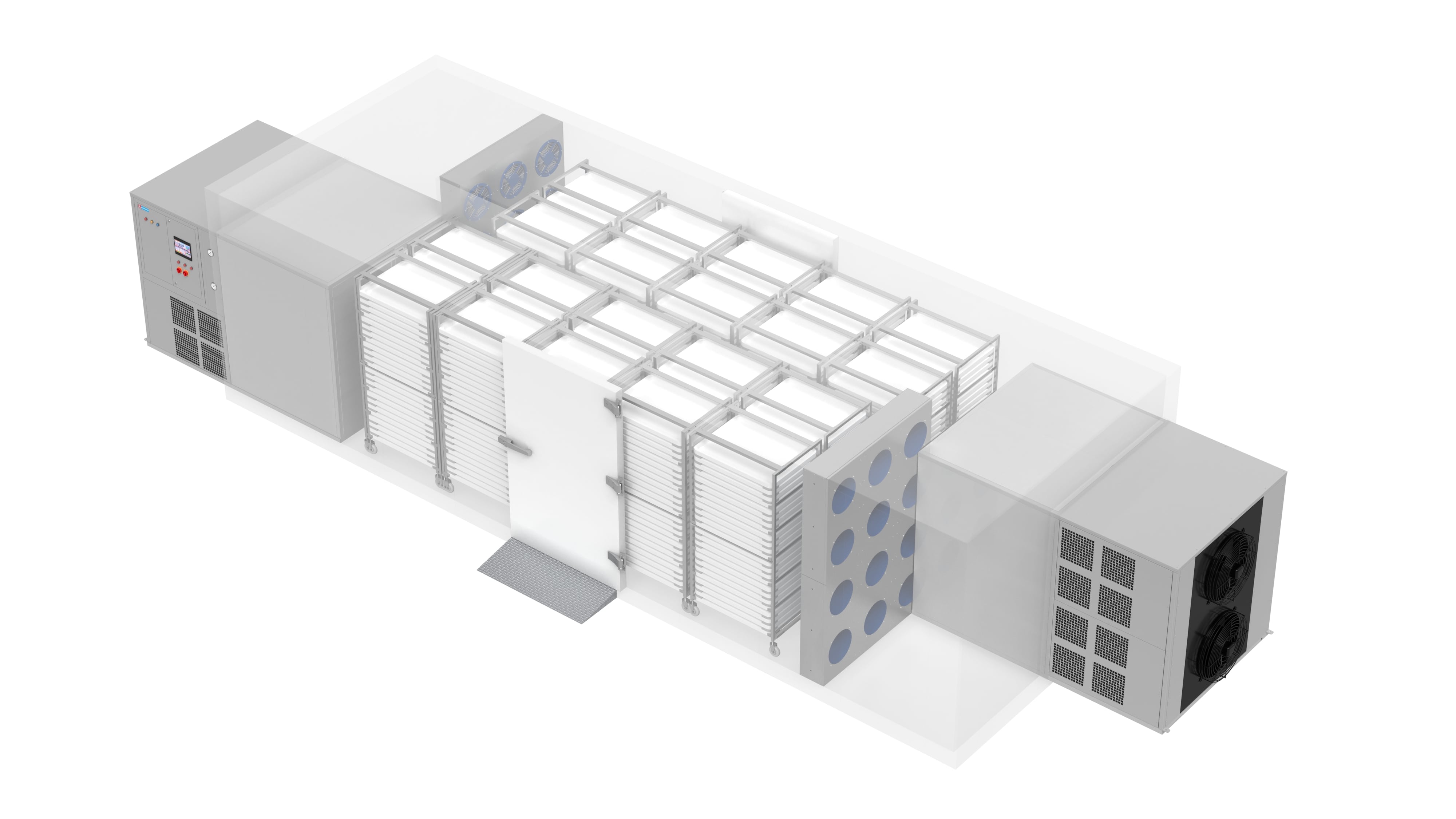
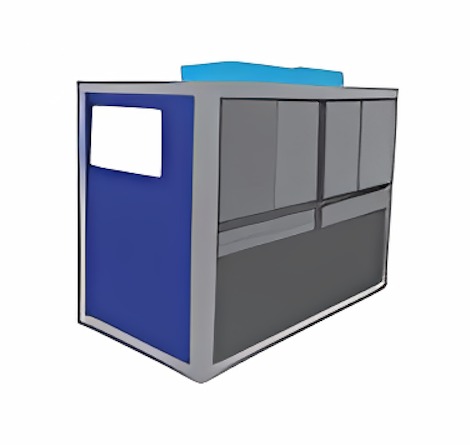
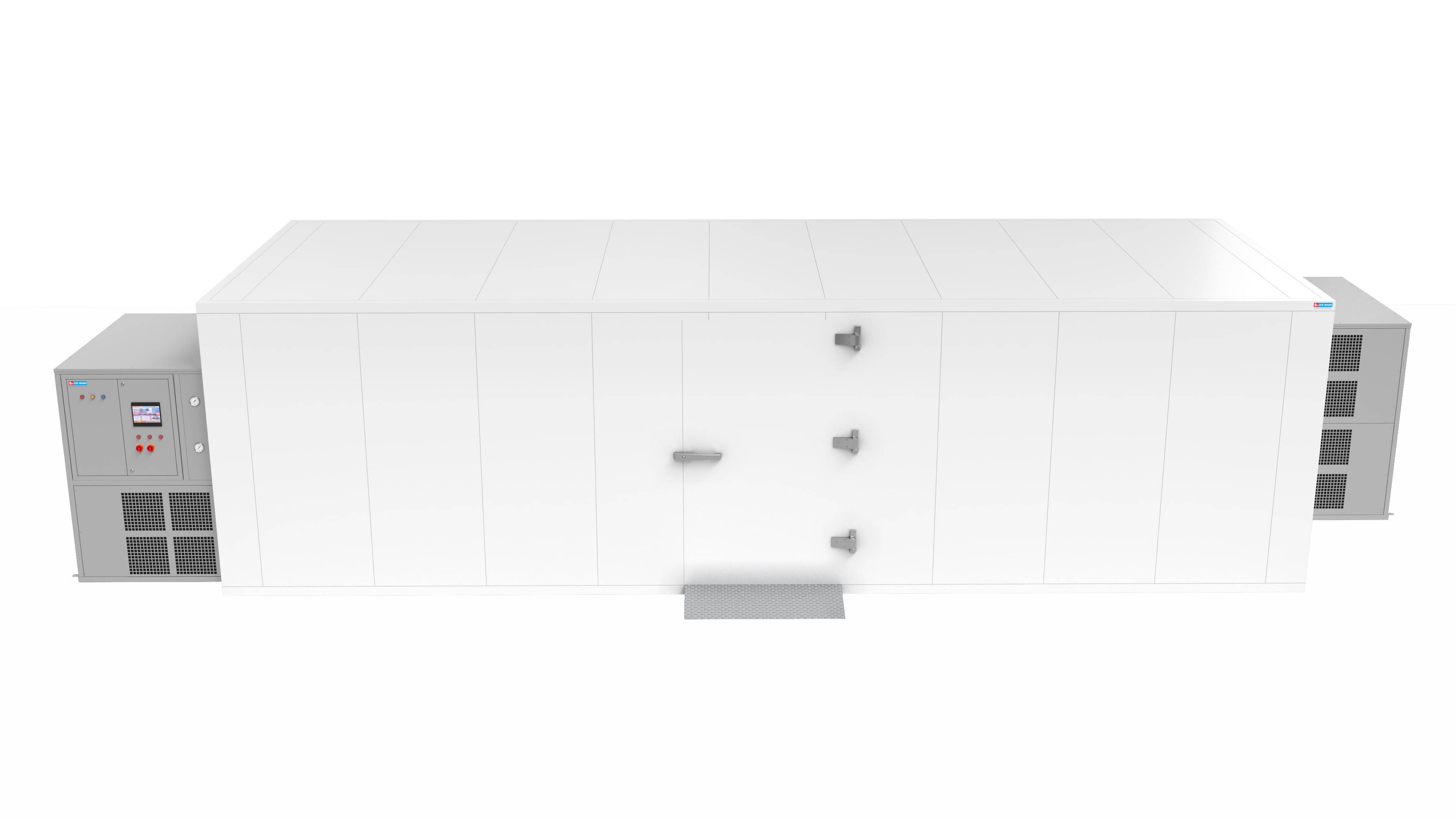
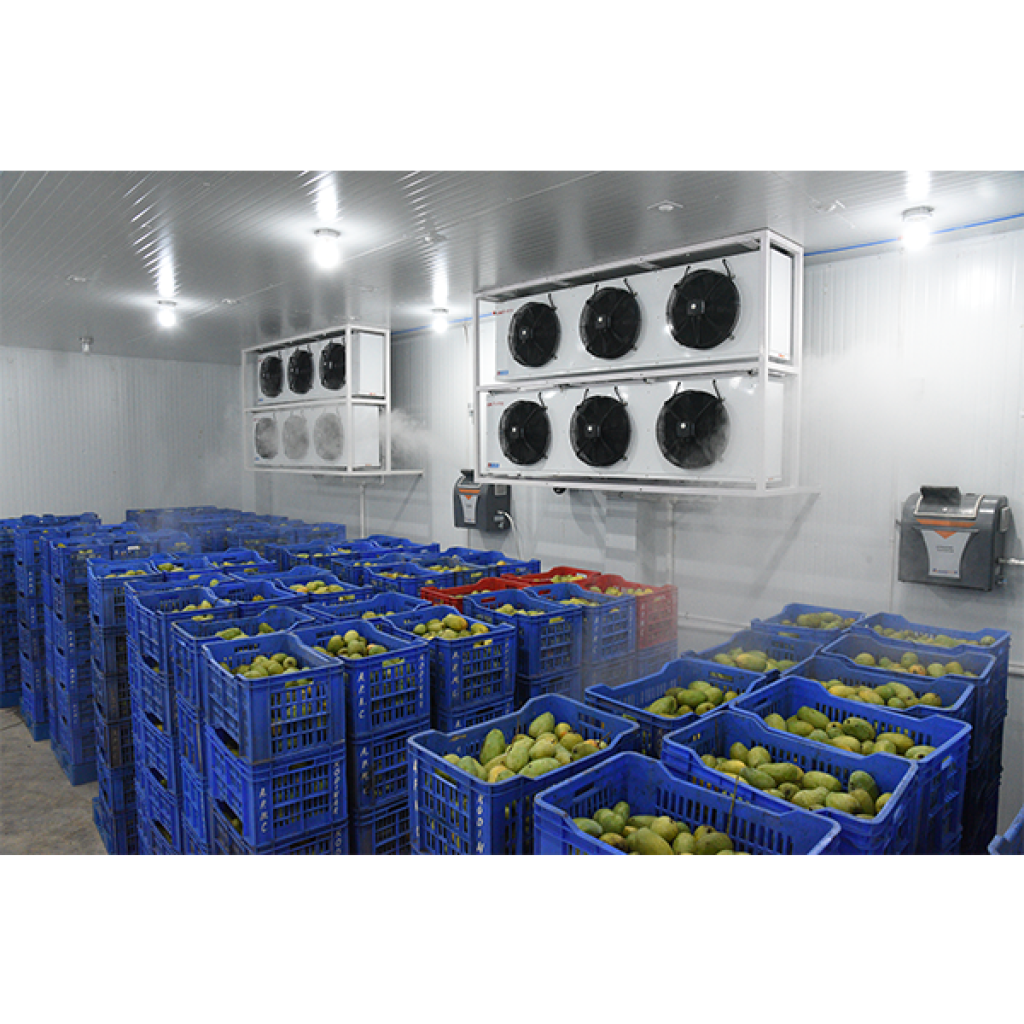
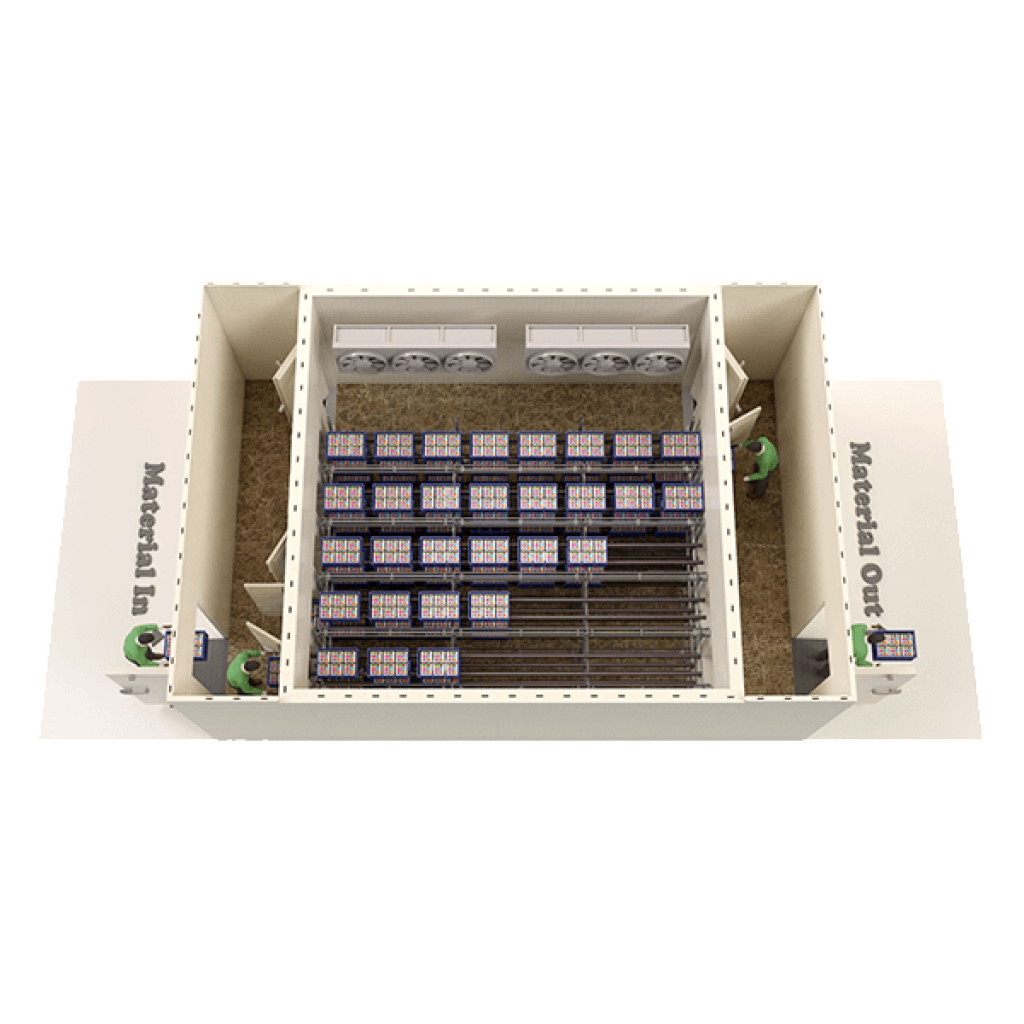
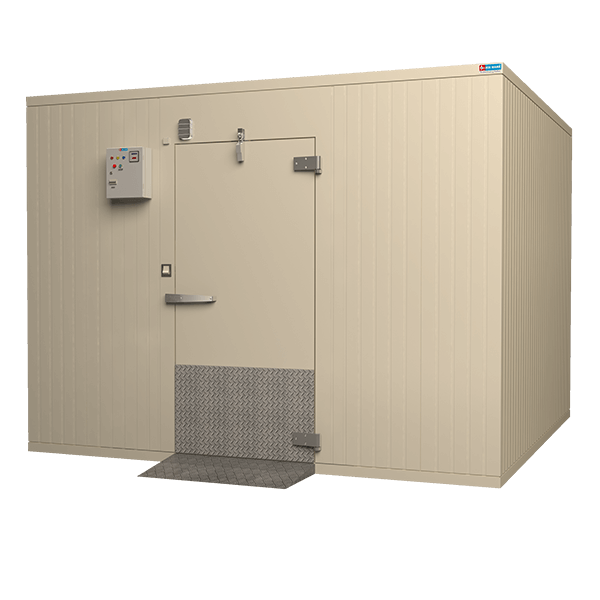
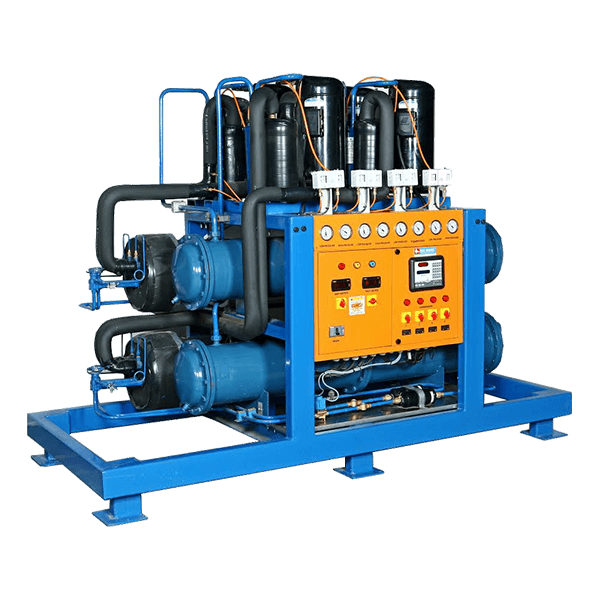
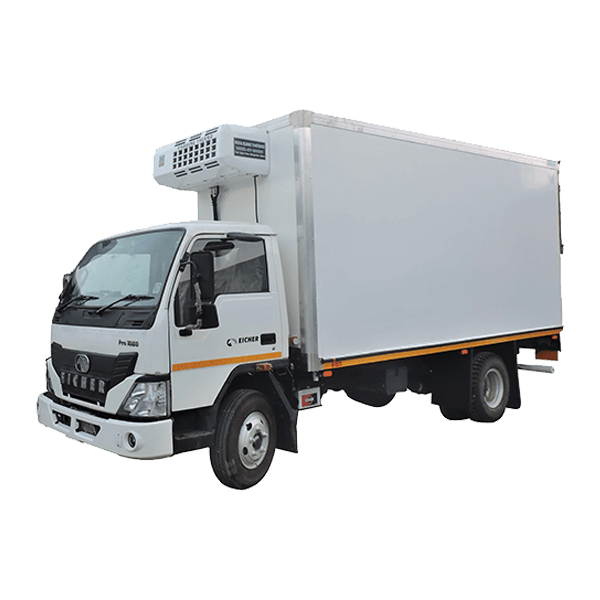
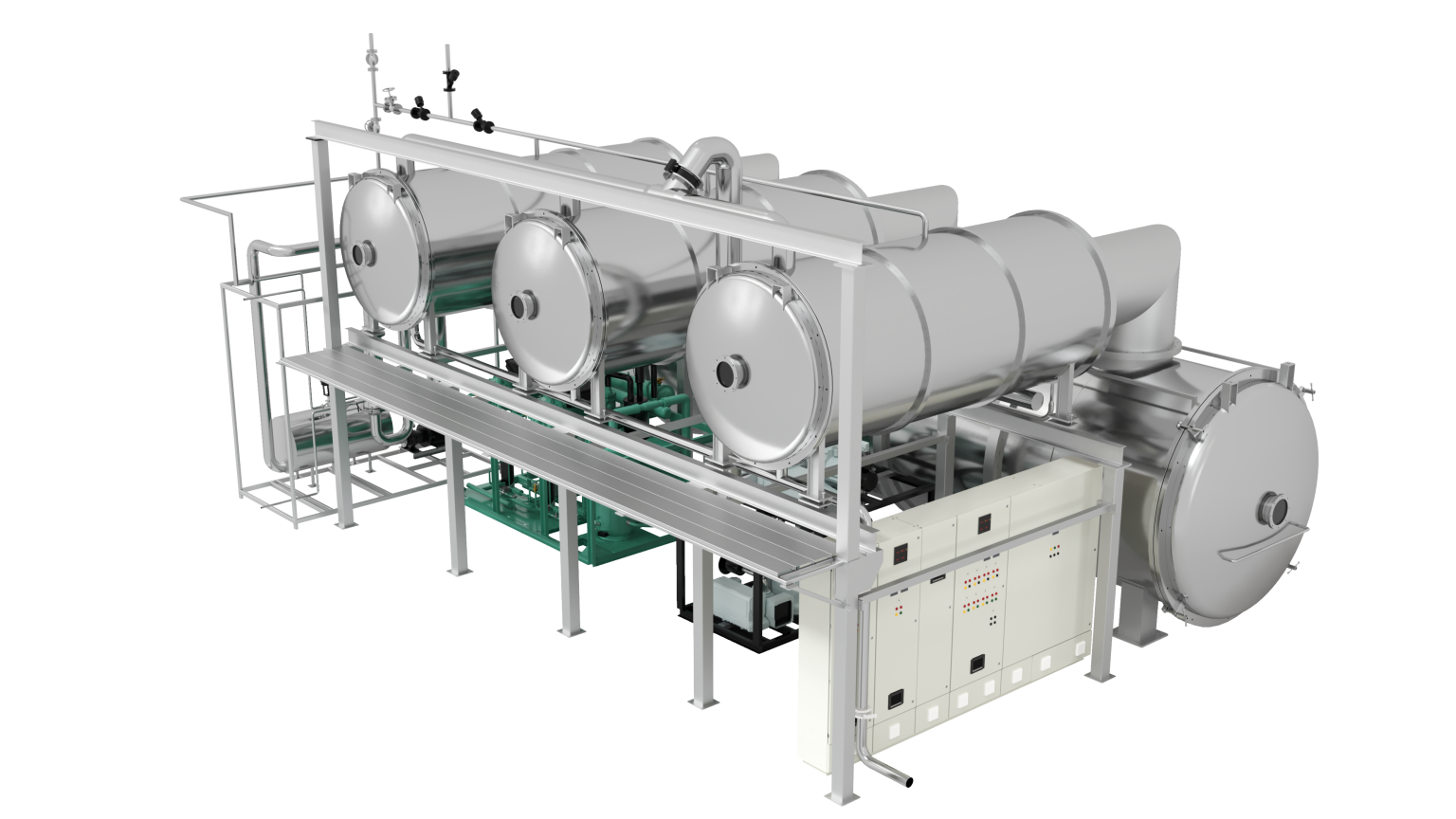
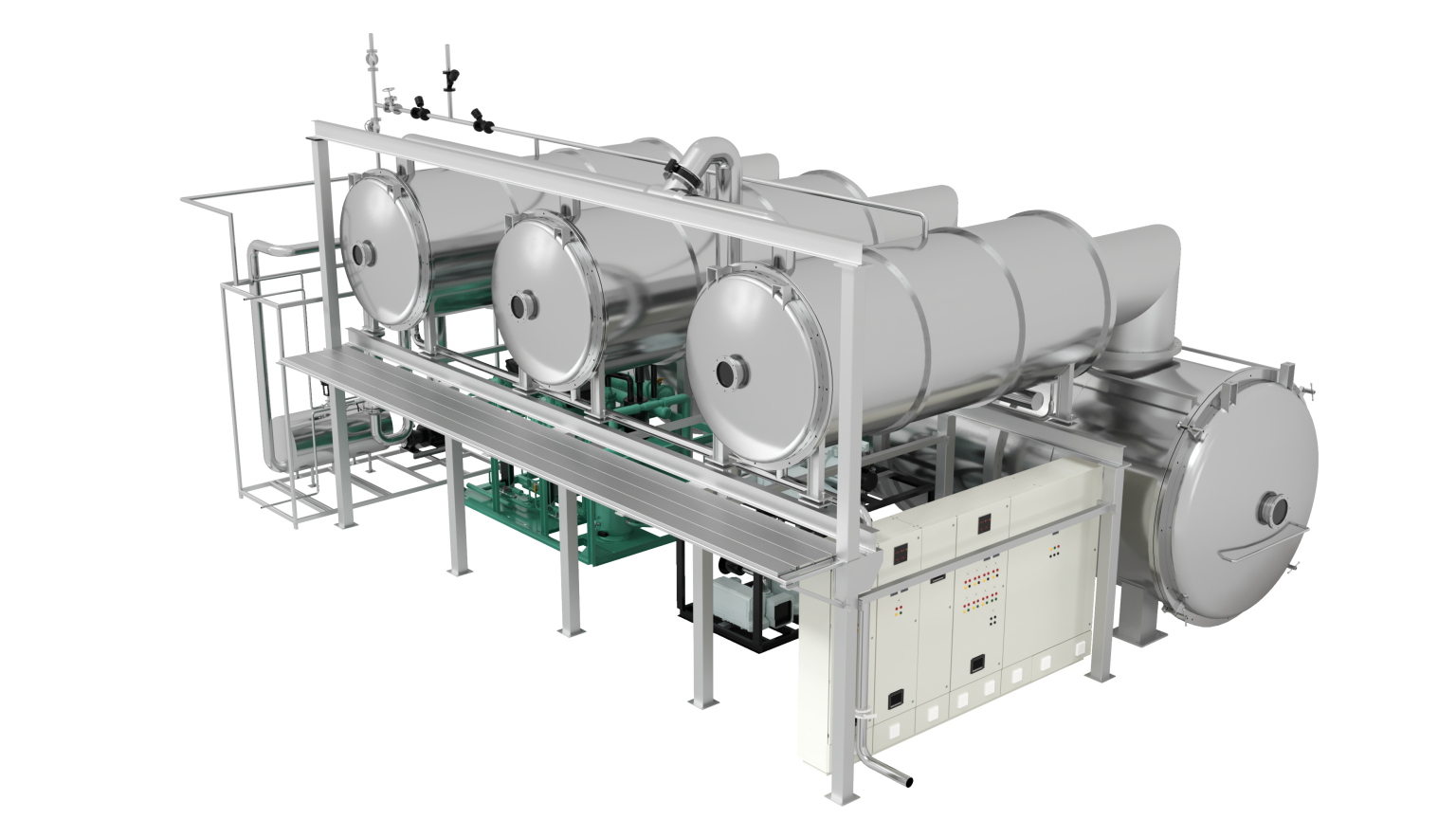
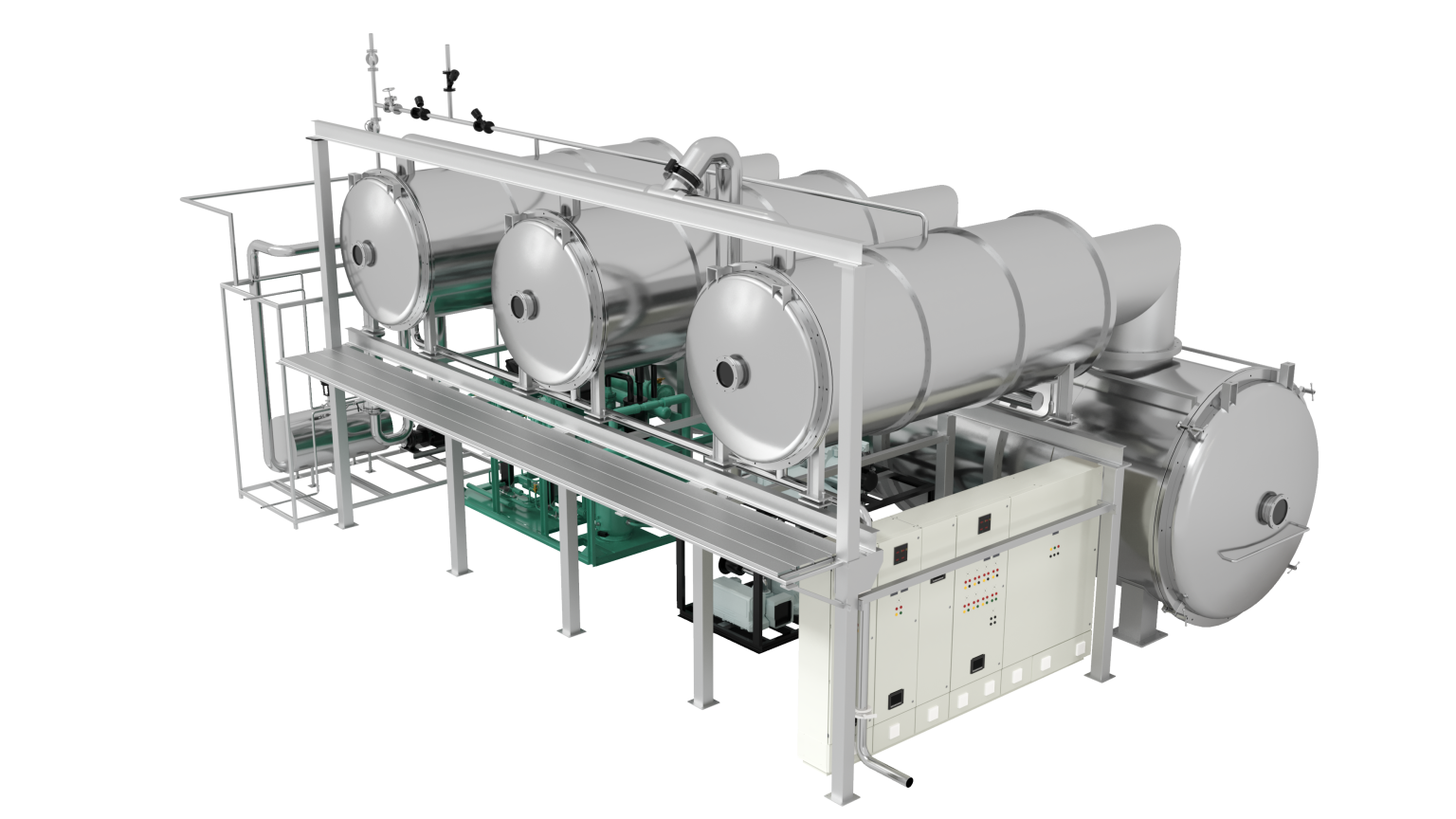
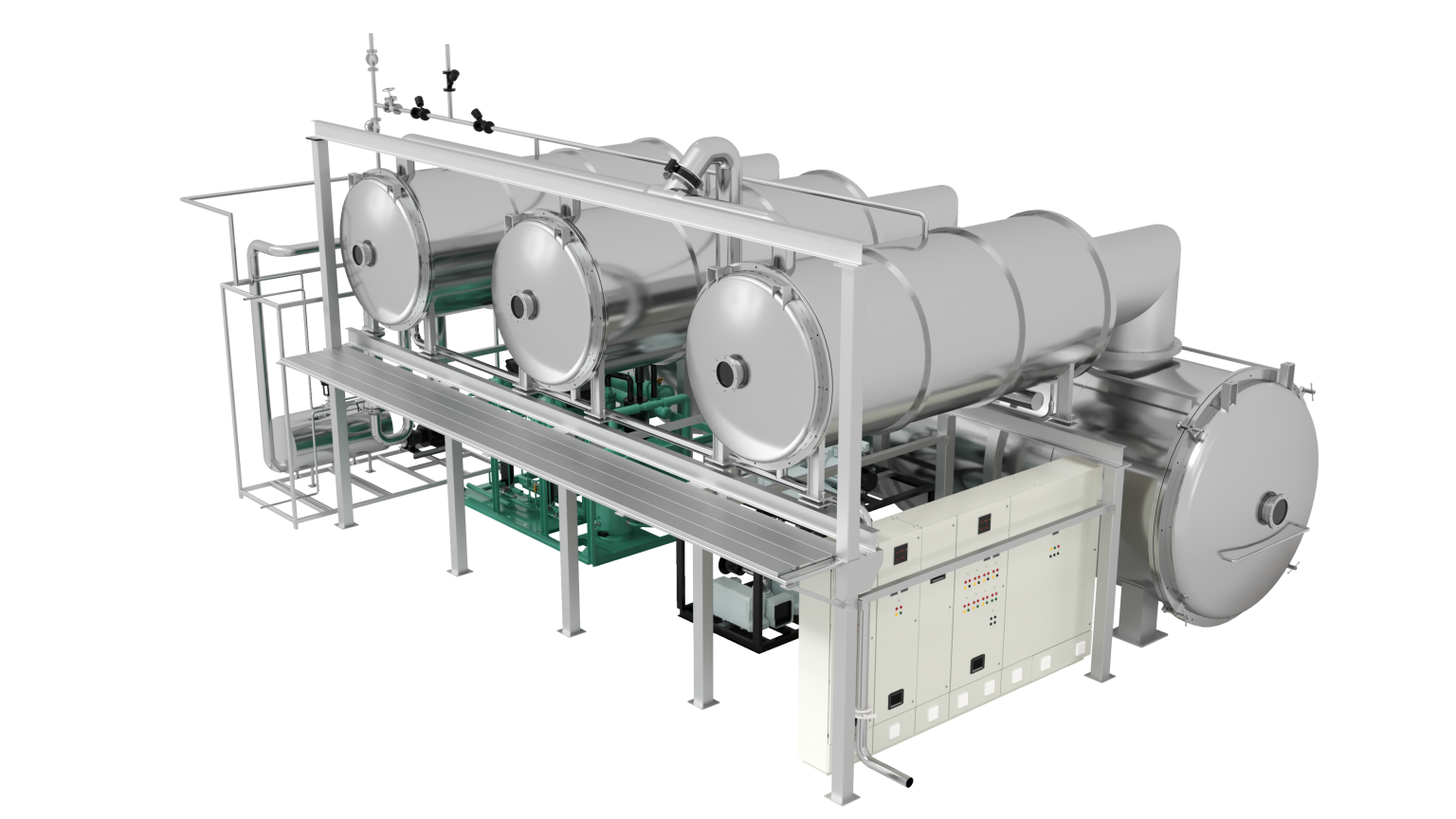
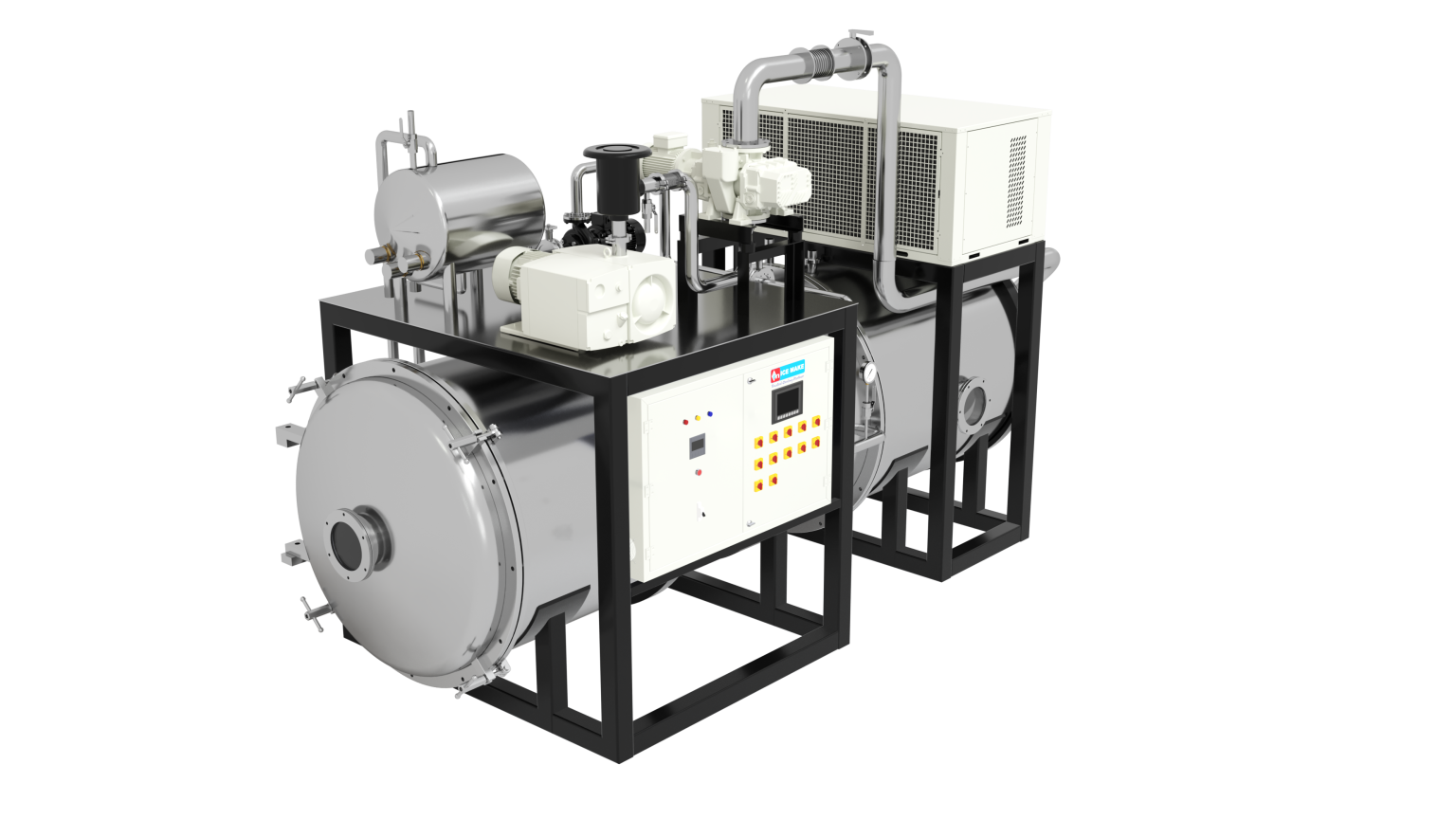
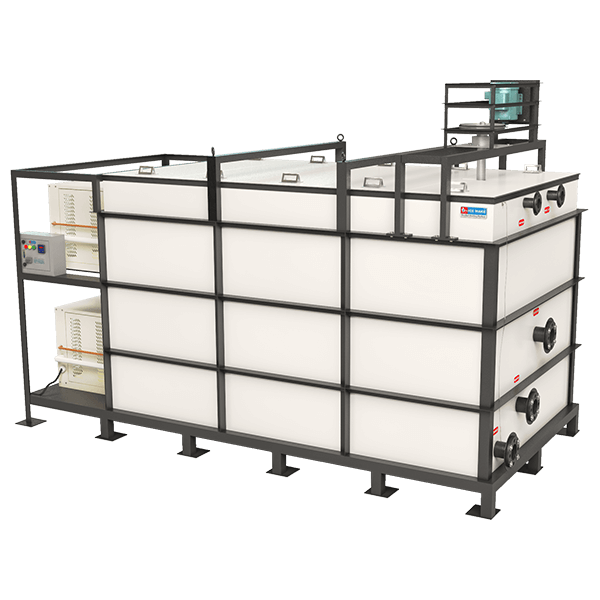
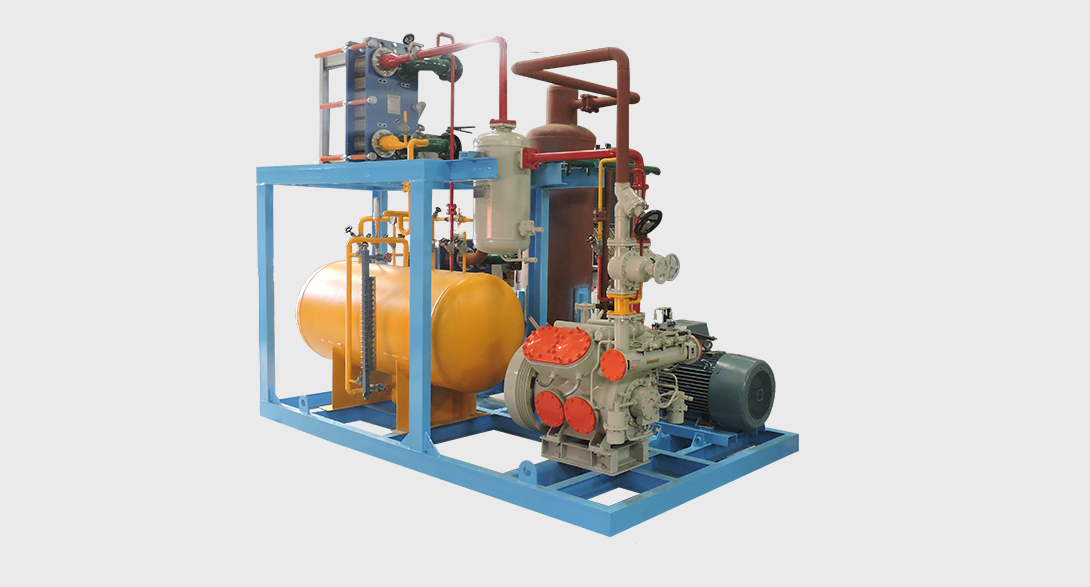
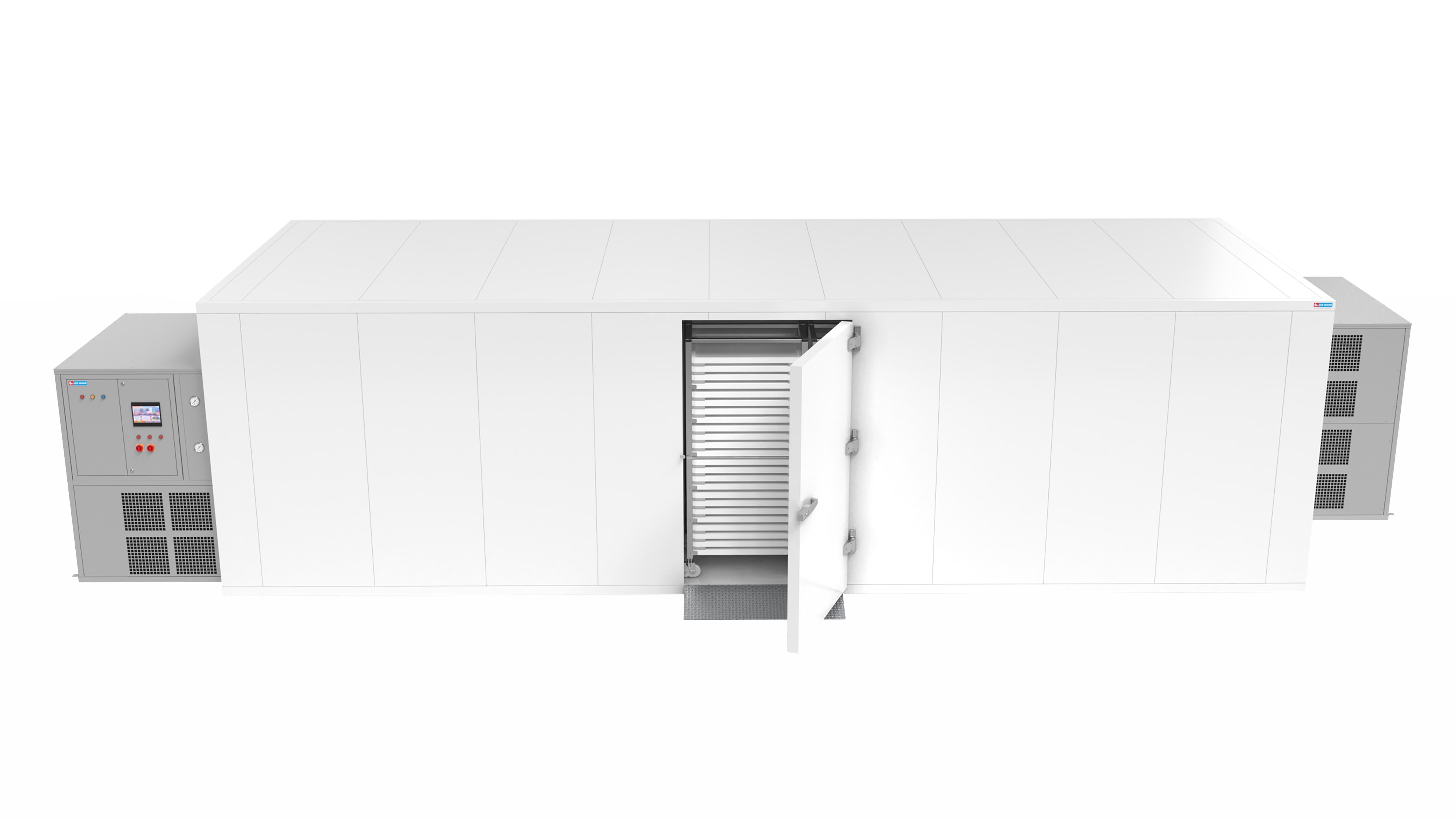
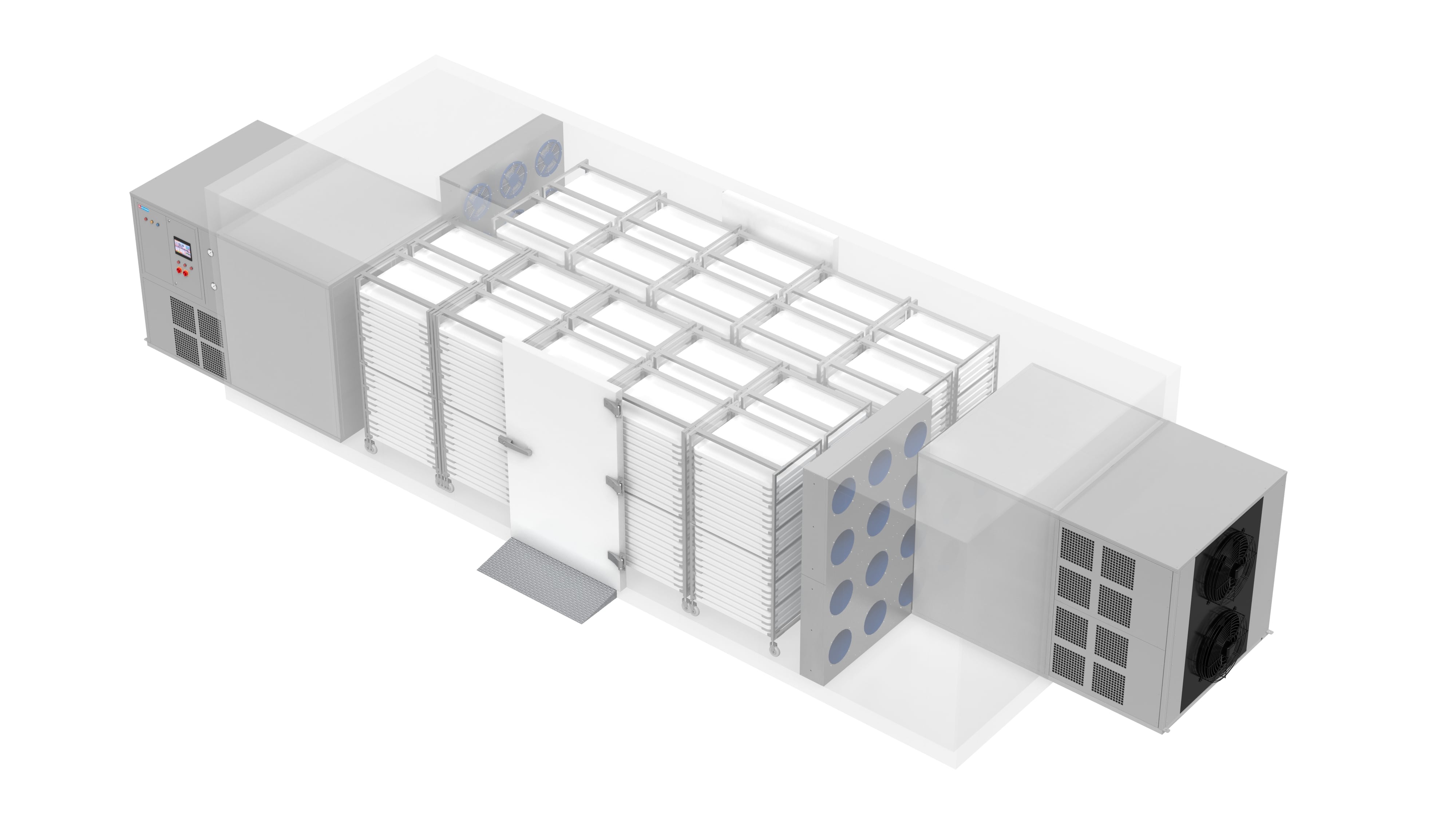
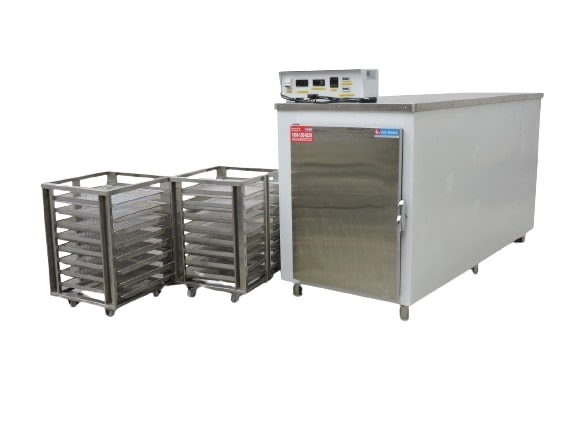
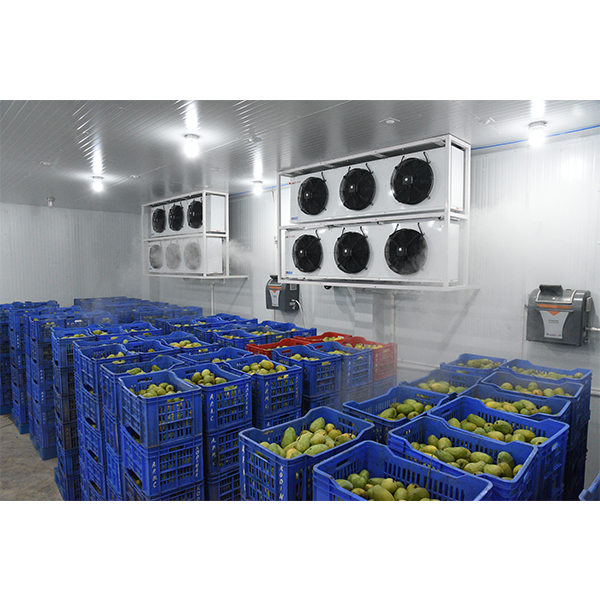
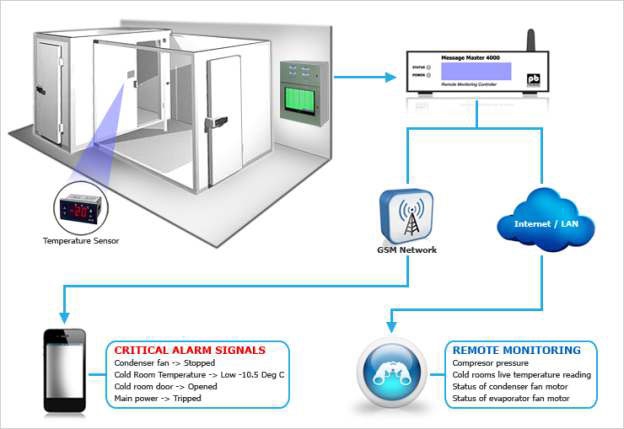
Advanced ripening chambers offer precise control over critical parameters including temperature (15-25°C depending on fruit type), humidity levels, air circulation, and ethylene gas concentration (100-150 PPM). This scientific approach to fruit ripening ensures uniform color development, optimal texture, and extended shelf life—transforming how fruits can be transported across Nepal's challenging terrain. For banana producers, this means the ability to harvest at optimal maturity and transport to hill regions without quality deterioration. Mango producers gain access to export markets with consistent quality standards, while papaya processors can maintain year-round supply for juice and processing industries.
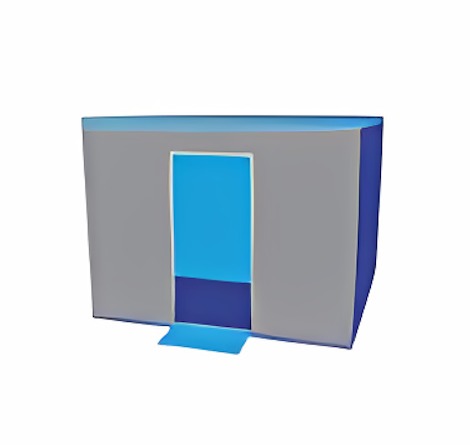
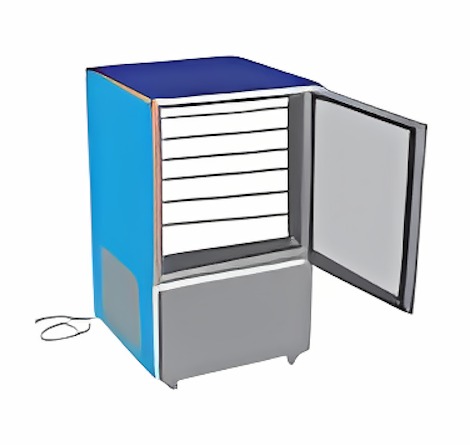
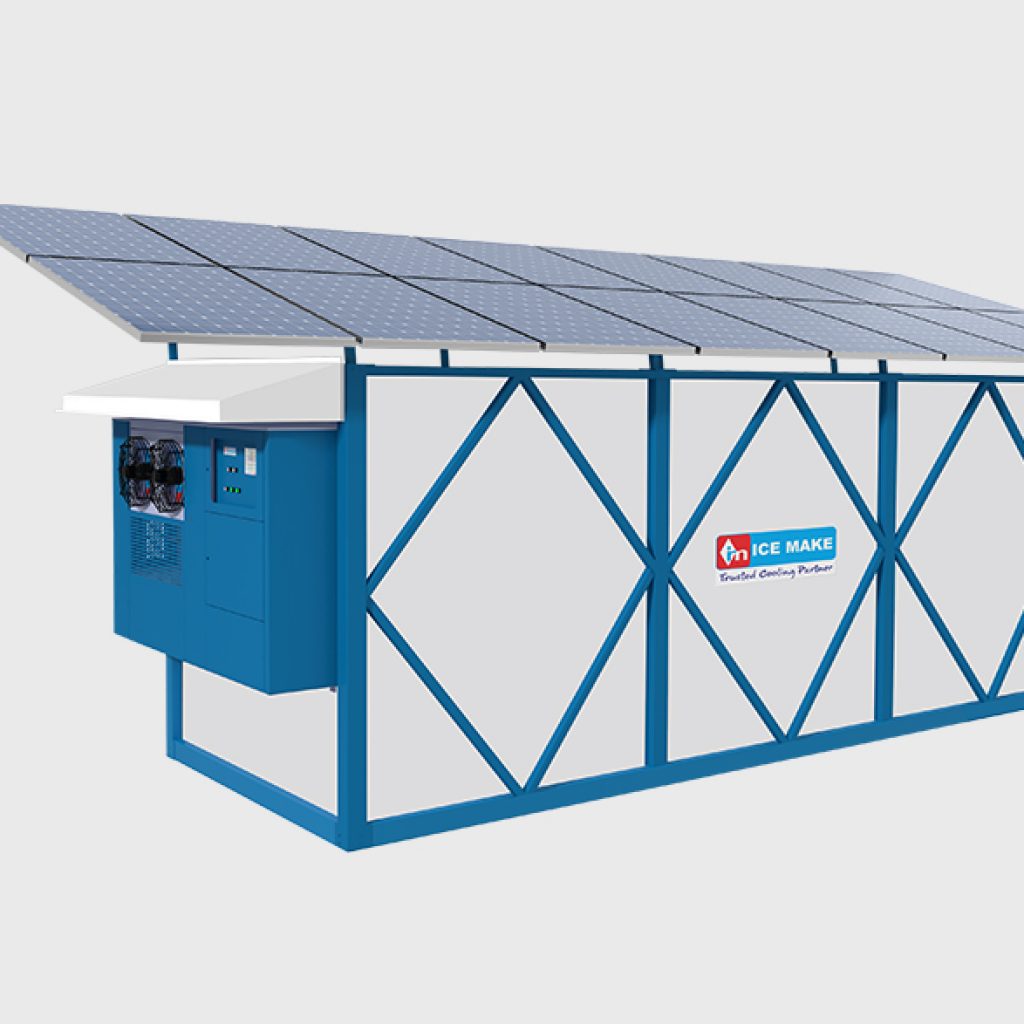
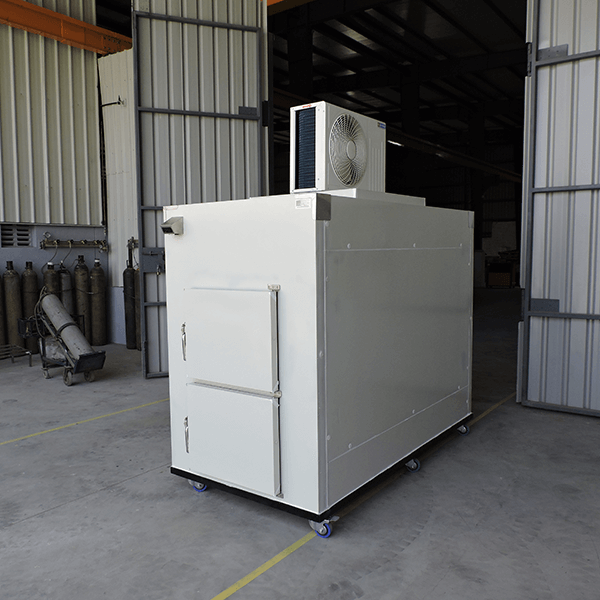
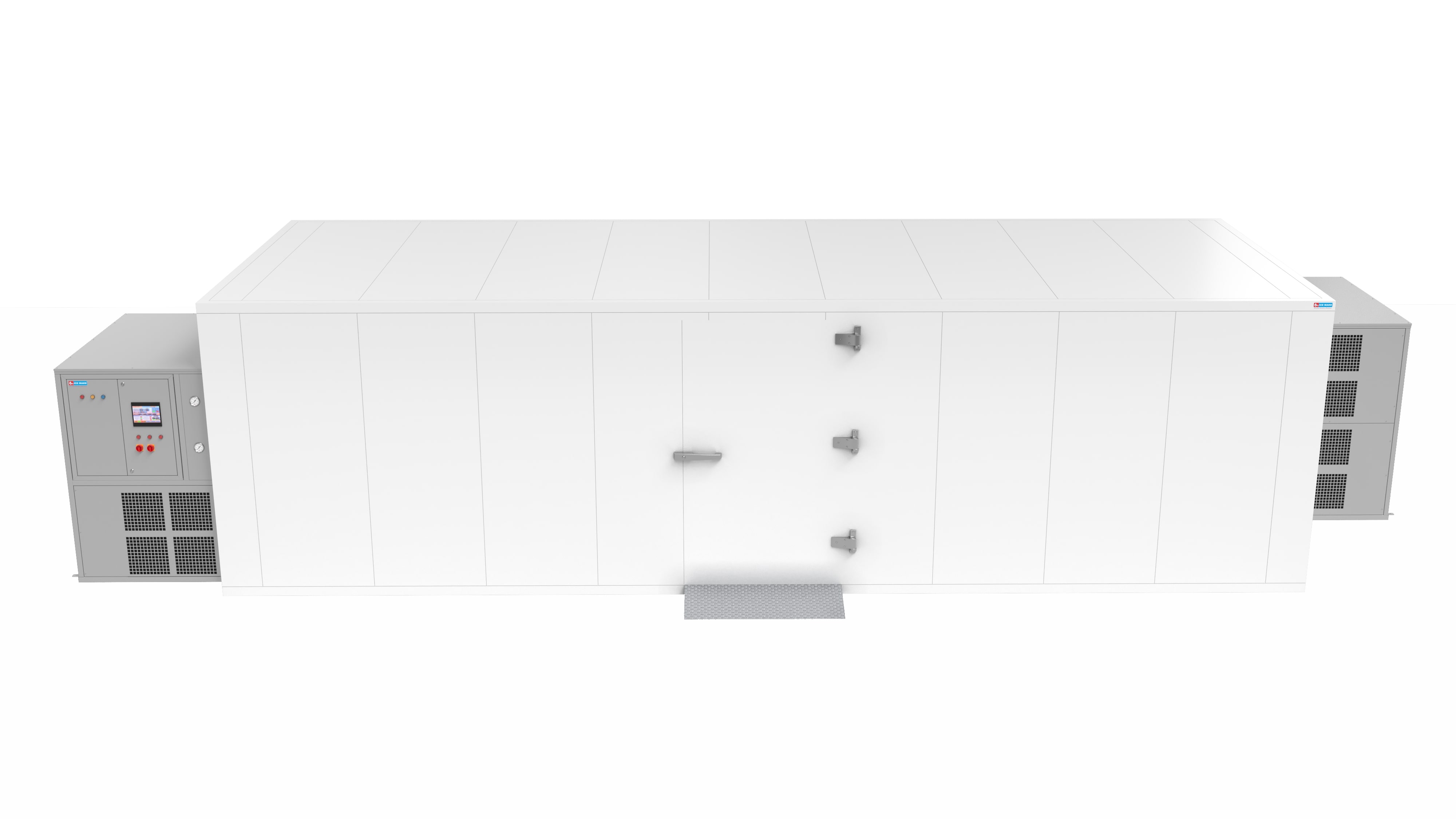
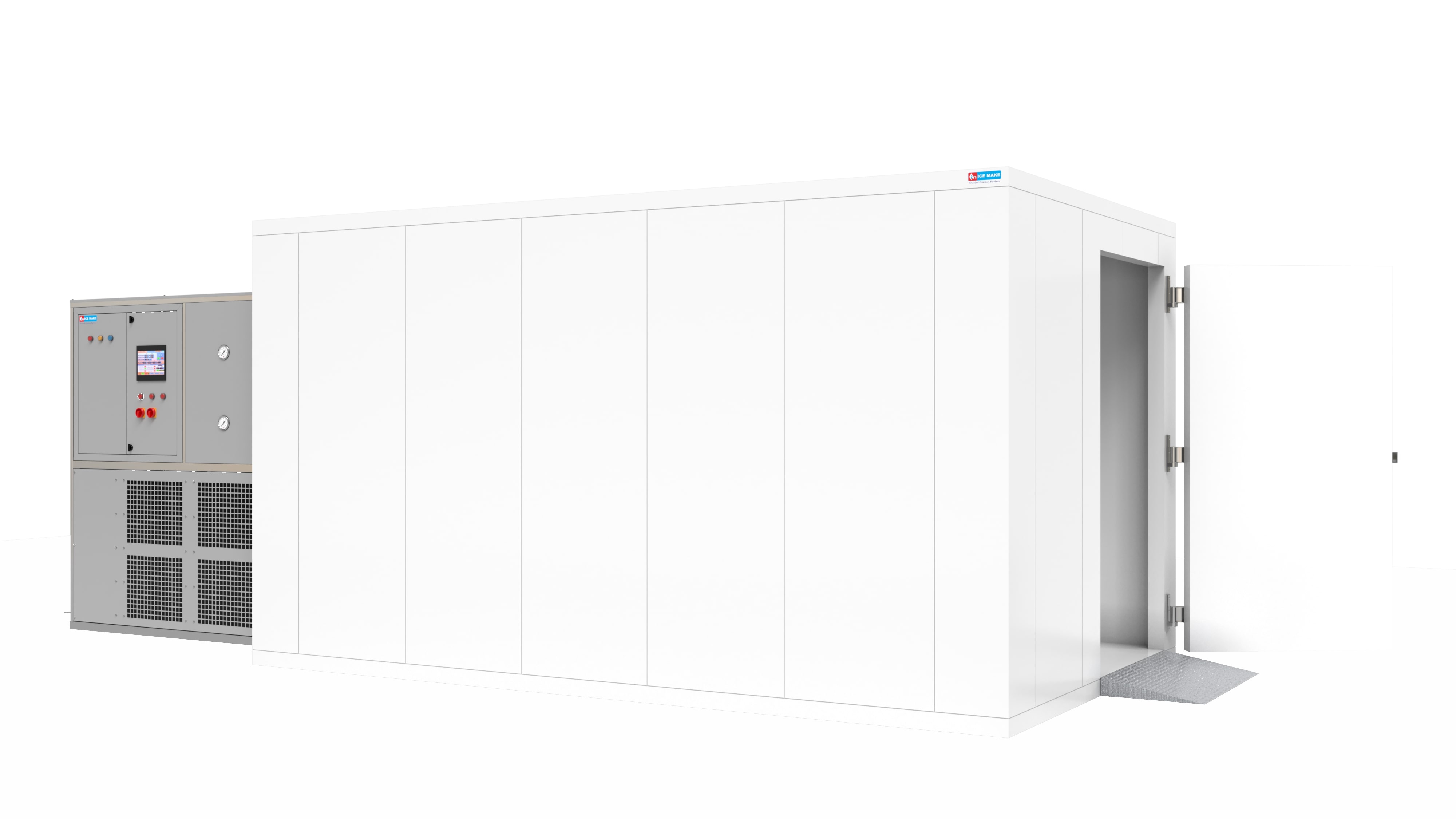
The economic impact extends far beyond individual farms. Ripening chambers with capacities ranging from 5 to 25 tons per unit can serve cooperatives, small businesses, and large commercial operations alike. The technology's modular and relocatable design makes it particularly suitable for Nepal's diverse agricultural landscape, where seasonal production patterns and transportation logistics vary significantly between regions. Initial investment costs are offset by dramatic reductions in post-harvest losses (from 20-30% to less than 5%), premium pricing for consistent quality products, and extended market reach that was previously impossible with traditional methods.
RM Agrotech's comprehensive service model differentiates this initiative from simple equipment sales. Their approach includes detailed site assessment considering Nepal's power supply challenges, transportation logistics, and climatic variations. Professional installation ensures optimal performance even in remote locations, while operator training programs build local expertise in advanced fruit processing techniques. The company's commitment to after-sales support, including maintenance services and spare parts availability, addresses a critical concern for agricultural technology adoption in Nepal—ensuring long-term operational success rather than abandoned equipment.
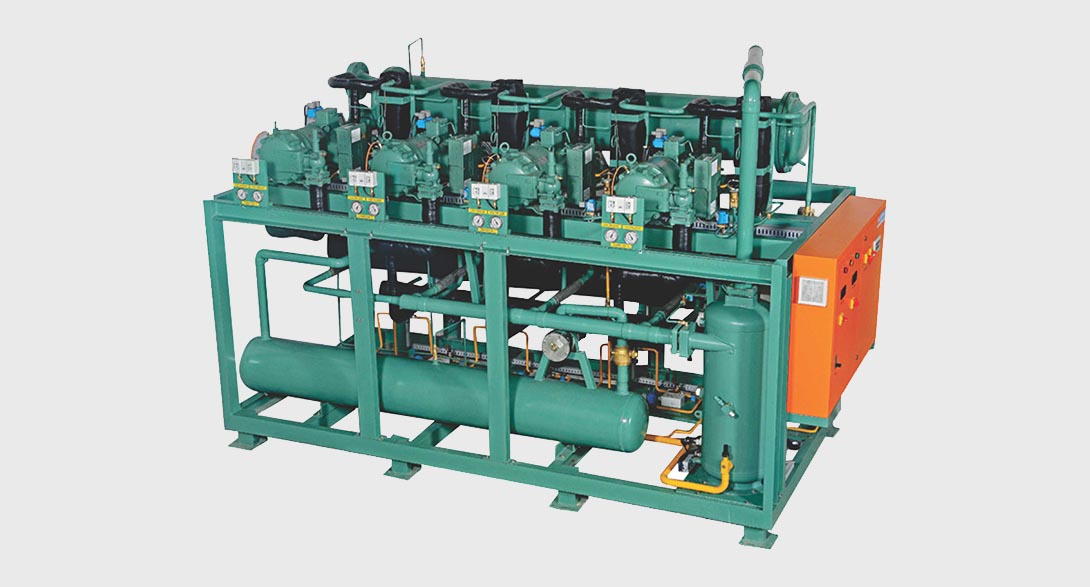
Environmental sustainability forms another crucial dimension of this technology introduction. Reduced food wastage directly translates to lower methane emissions and more efficient resource utilization. Energy-efficient refrigeration systems minimize power consumption—particularly important given Nepal's ongoing energy challenges. The technology also supports local fruit production by making it economically viable, reducing import dependency and supporting rural development initiatives.
Looking ahead, the ripening chamber technology opens pathways for Nepal's integration into regional value chains. With consistent quality production capabilities, Nepali fruits can compete in Indian markets, potentially expanding to other neighboring countries. The technology also supports the development of fruit processing clusters, creating employment opportunities in rural areas while building industrial capacity for value-added products like juices, dried fruits, and processed foods.
This technological advancement represents a fundamental shift from subsistence-oriented to market-oriented fruit production in Nepal. By providing the tools for consistent quality, extended shelf life, and controlled ripening cycles, RM Agrotech and ICE Make are not just introducing equipment—they're enabling a transformation that can elevate Nepal's position in regional and global fruit markets while improving livelihoods for thousands of farmers across the country.
Read Full Blog


.png)